
Last updated November 14, 2026
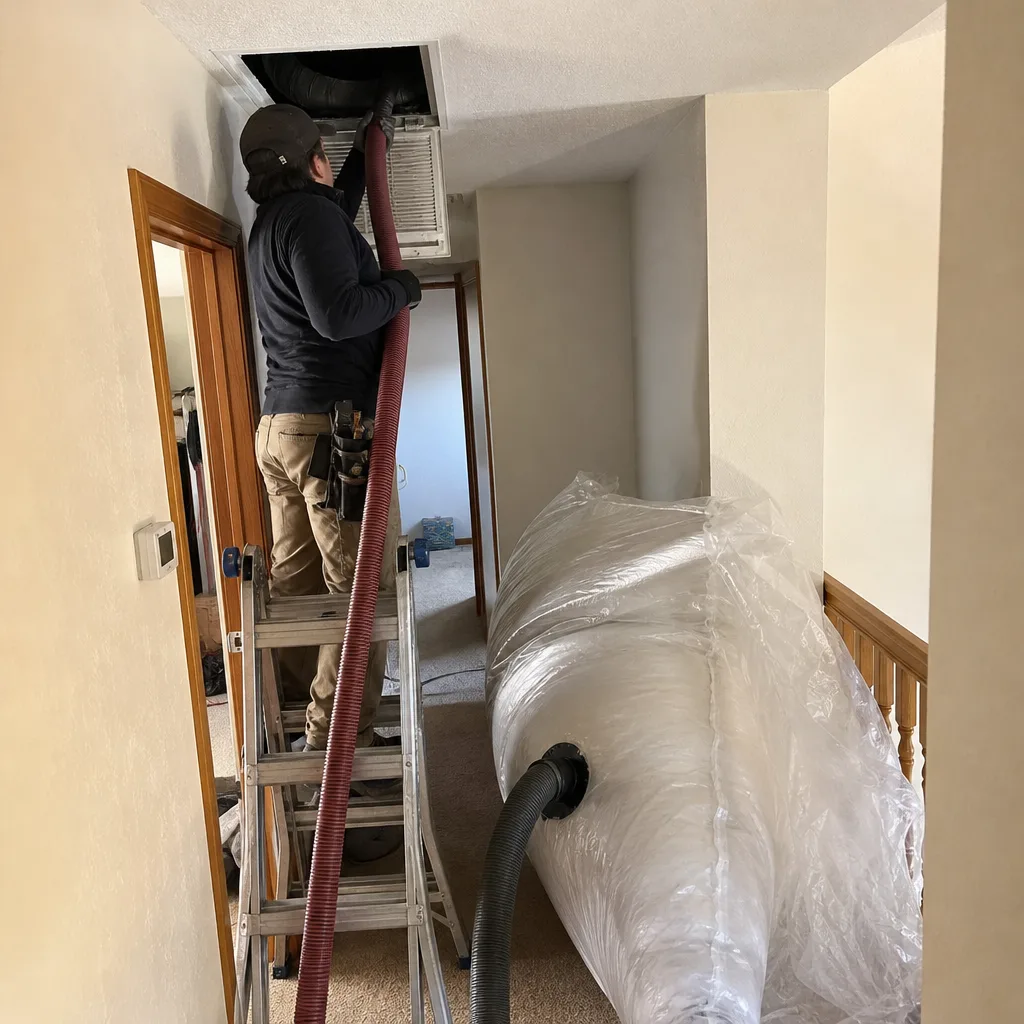
 Whole-home duct cleaning
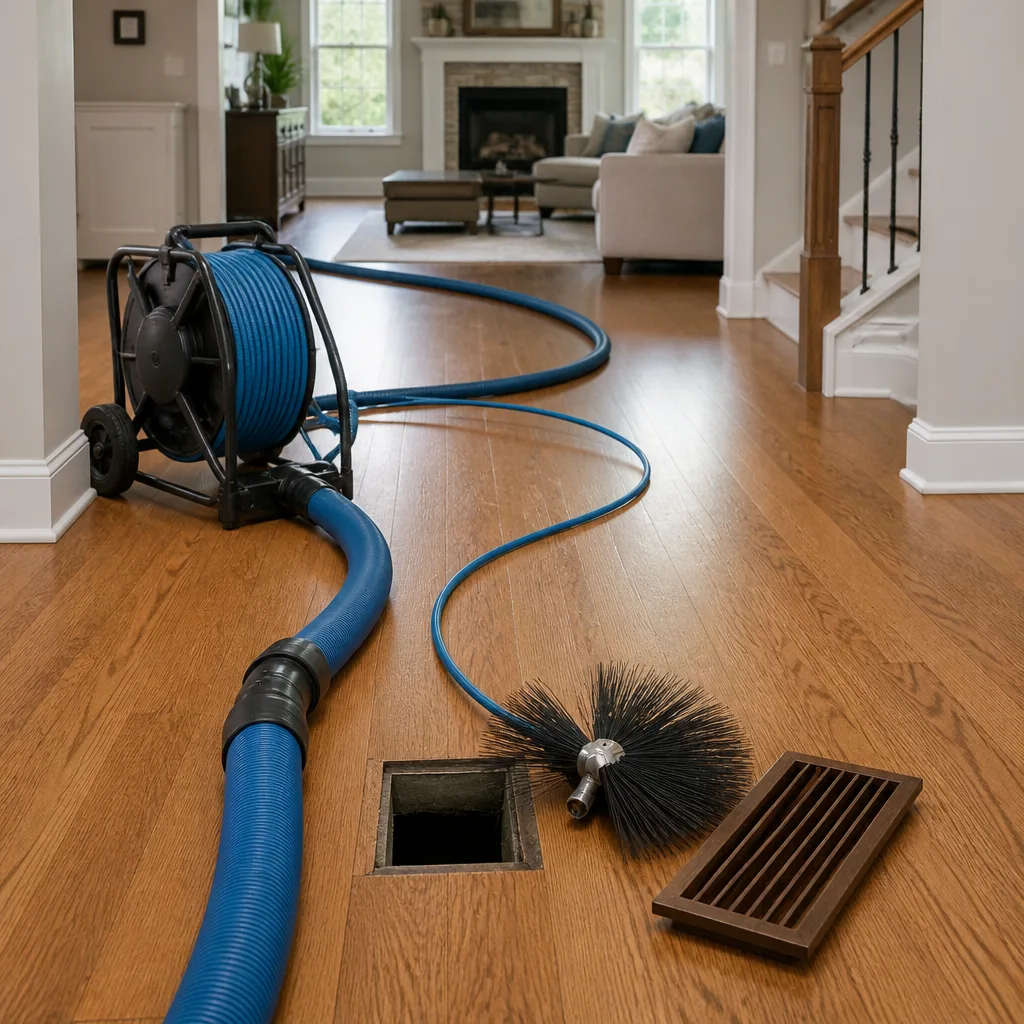
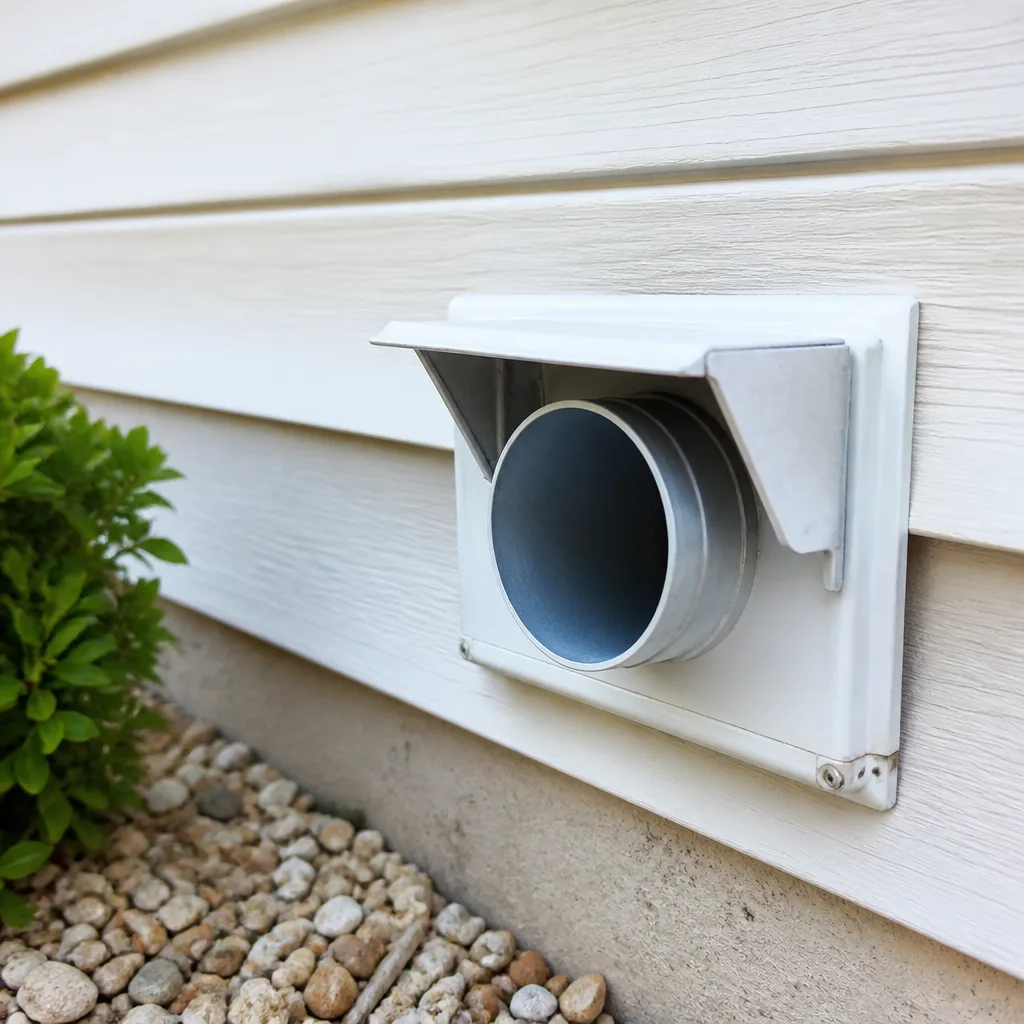 Dryer vent cleaning
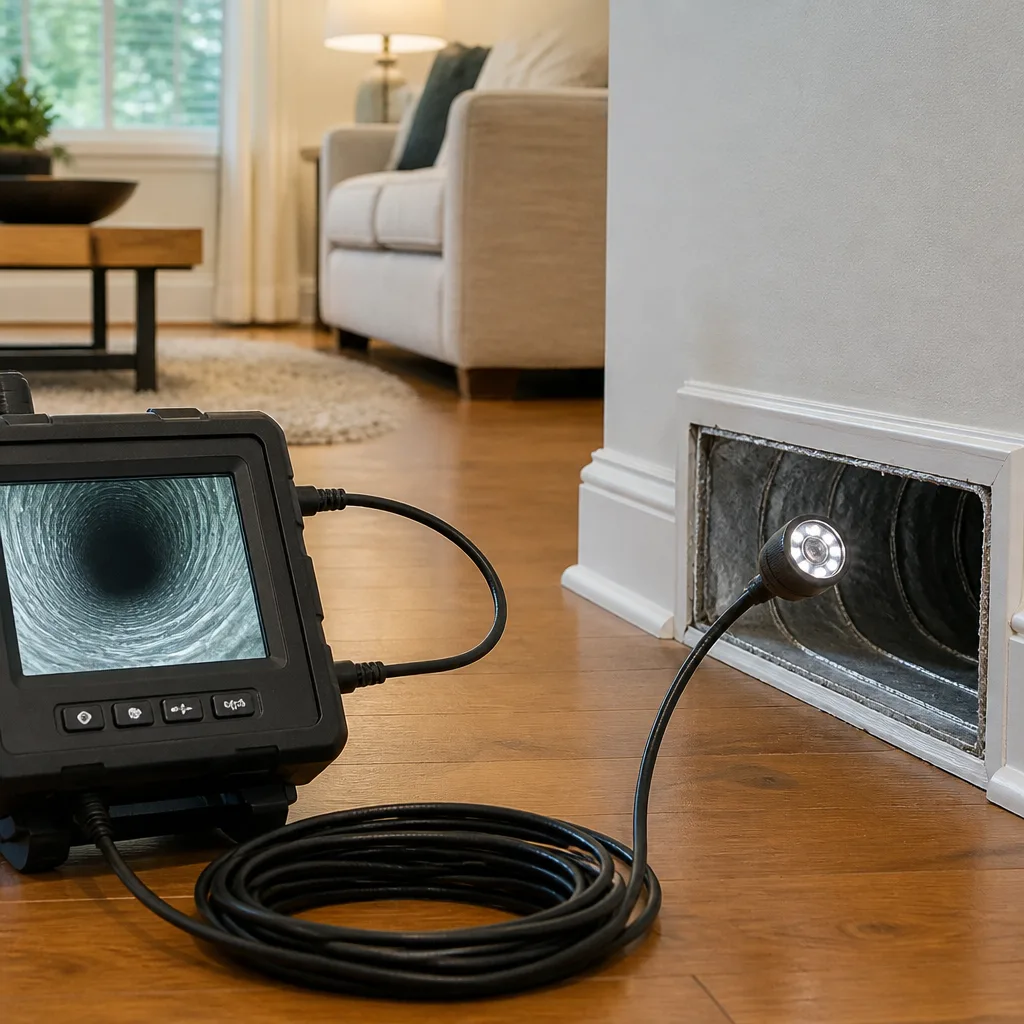 Camera inspection
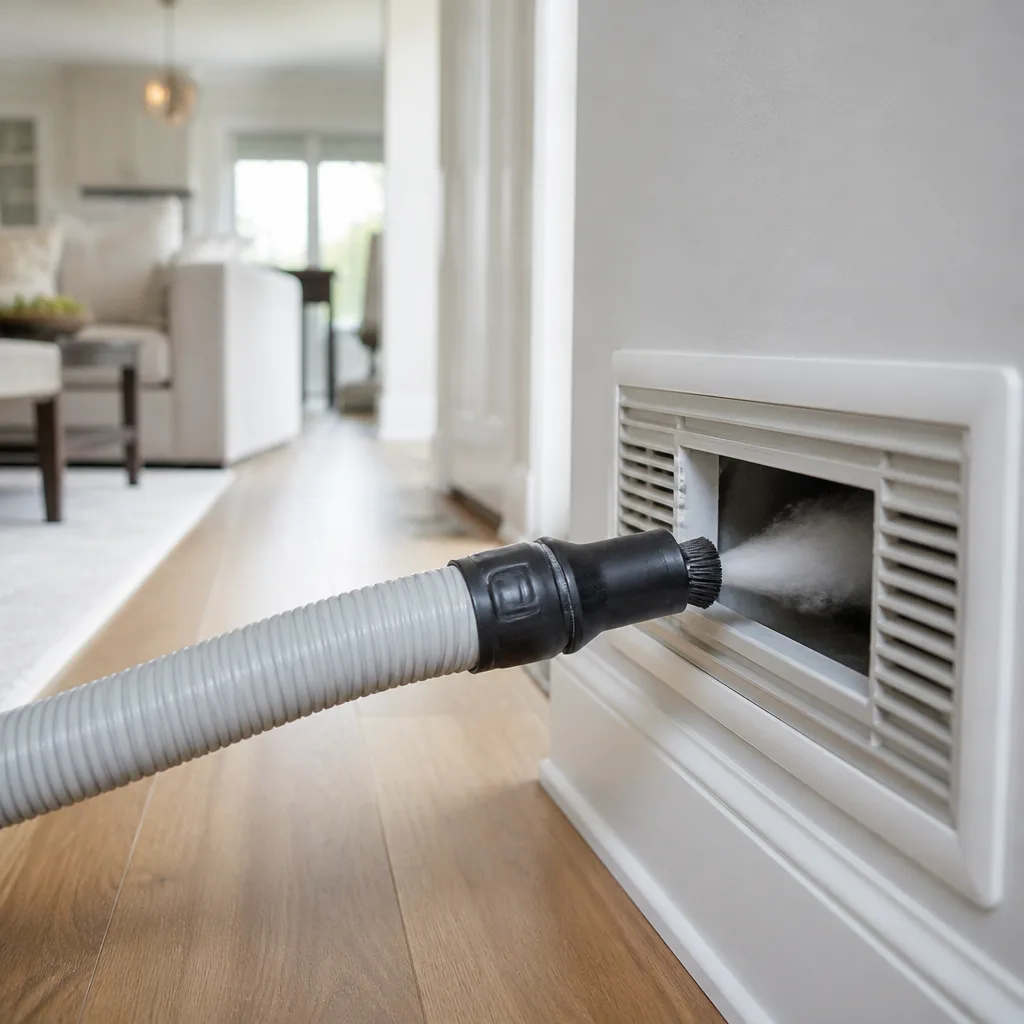 Sanitizing & deodorizing
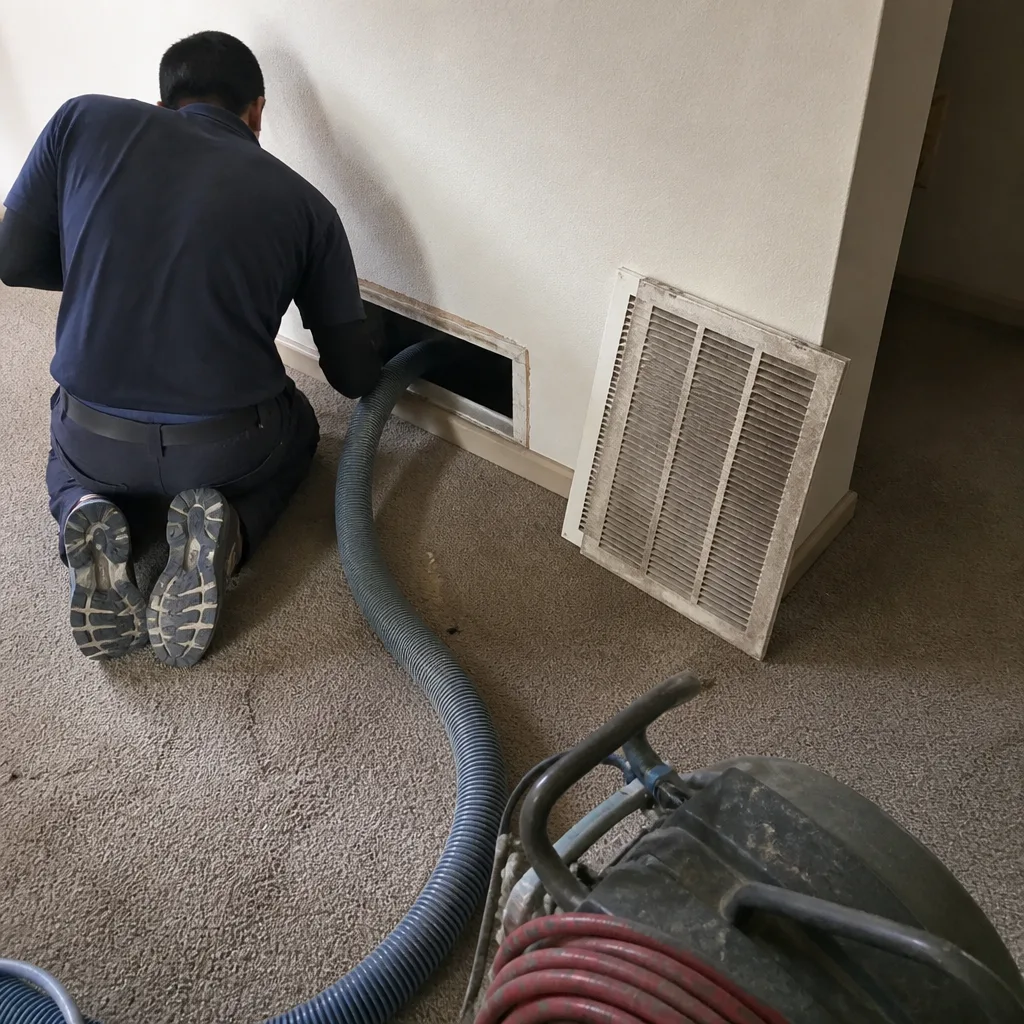
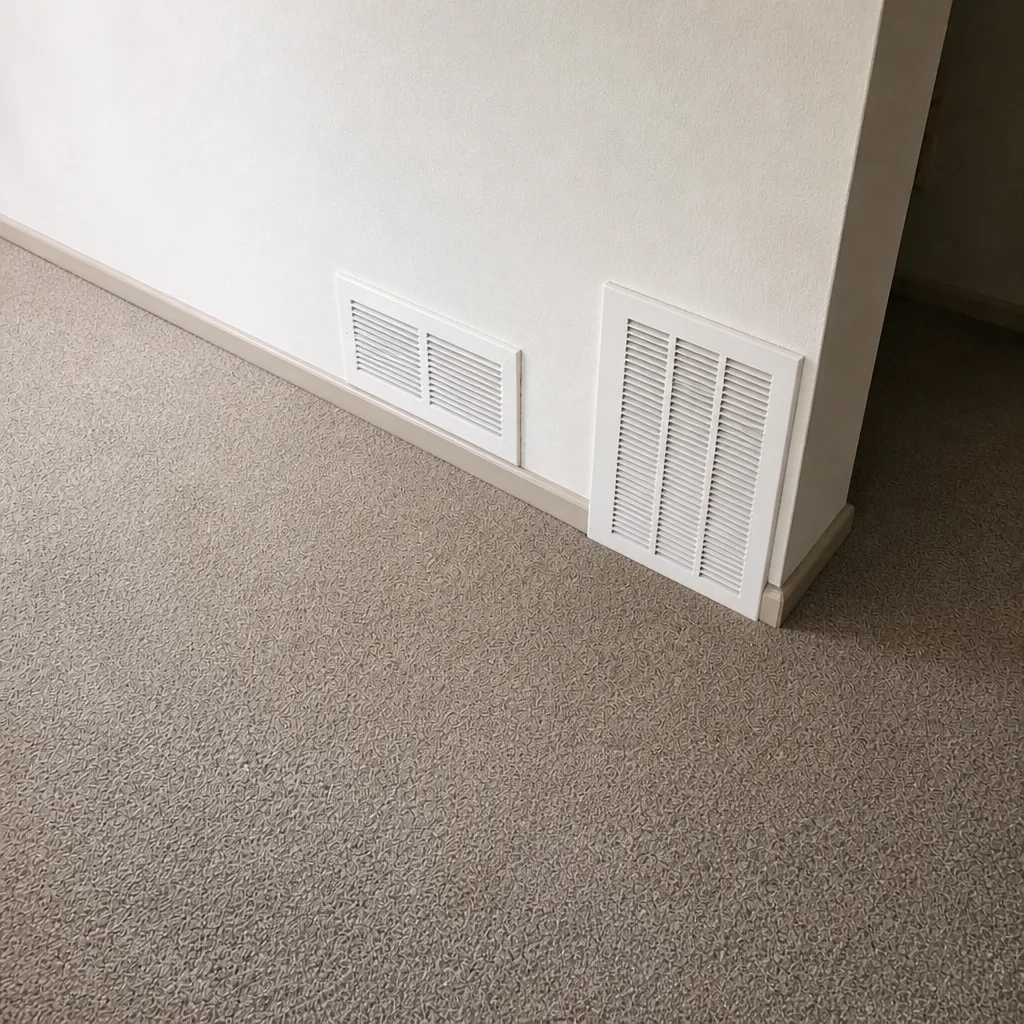
Whole-system duct and dryer vent check with before-and-after photos - you see exactly what came out of your vents
That "$99 whole-house special" is a bait ad - the real number appears once they are in your hallway, or the "clean" is a shop-vac at the register. We photograph the inside of your ducts before and after instead.
DIY vs Professional Air Duct Cleaning: The Arvada Homeowner’s Decision Guide
A shop vac and a dryer vent brush can clean the first 18 inches of a supply register. That much is true, and it’s why so many Arvada homeowners figure the rest of the job can’t be much harder. But the average duct run in an Arvada home is 15 to 40 feet long, with bends, joints, and a trunk line that only moves debris under sustained negative pressure. Cleaning a register face and cleaning a trunk line are two completely different jobs, and only one of them is actually doable with consumer gear. This guide maps what DIY kits can and can’t reach, which tasks you should absolutely handle yourself, and the conditions that make professional service the only sensible call.
Quick Answer
DIY duct cleaning works for surface tasks: register covers, accessible return boxes, and filter swaps. It cannot clean the inside of your duct runs, because consumer vacuums don’t generate the negative pressure or airflow needed to mobilize debris from 15 to 40 feet of ductwork, and pushing a brush into a register often loosens debris that then settles back into the living space. Professional cleaning with NADCA-standard negative pressure equipment captures that debris instead of redistributing it. For light upkeep, DIY is fine. For a system that’s visibly dirty, musty, or recently renovated around, professional service is the right answer.
Styles & brands we work with
- Whole-home duct cleaning
- Dryer vent cleaning
- Camera inspection
- Sanitizing & deodorizing
Table of Contents
- What consumer duct cleaning kits actually accomplish
- Negative pressure: why CFM is the whole game
- The legitimate DIY tasks (and how to do them right)
- Why DIY can make indoor air quality worse before it gets better
- The four conditions that make professional service non-negotiable
- What a scope inspection reveals that you can’t see
- The equipment gap, explained in plain terms
- Common mistakes to avoid
What consumer duct cleaning kits actually accomplish
The kits sold at hardware stores and online typically include a flexible brush head on a semi-rigid rod, a shop vac adapter, and maybe a small length of hose. Some include a few filter pads. What these kits do is scrub the inside surface of the first section of ductwork they can physically reach, usually the supply boot and the first couple of feet beyond it.
What they don’t do is anything resembling whole-system cleaning. Here’s the mechanical reality:
- Reach. A typical brush rod extends a few feet into a duct run. Most Arvada homes have trunk lines and branch runs well beyond that, hidden behind drywall, in soffits, and in the unconditioned spaces above and below living areas.
- Suction. A consumer shop vac pulls somewhere in the neighborhood of 100 to 200 cubic feet per minute at the hose, and far less at the end of a 15-foot duct run with bends. Professional duct cleaning equipment is designed to sustain high airflow through the entire system, not just at the nozzle.
- Containment. Consumer kits have no way to keep loosened debris inside the duct during cleaning. Professional work uses containment and filtration equipment, like the Abatement Technologies gear we run on every job, to keep what comes loose from ending up in your living room.
- Agitation. Debris in a residential duct system isn’t just sitting on the bottom of the duct. It’s adhered to the walls, packed into joints, and often accumulated at the base of vertical runs. Proper cleaning requires rotary agitation combined with sustained airflow. A brush on a rod does one of those things, sometimes.
None of this means consumer kits are useless. It means they’re for a different job than the one most people think they’re buying them for.
Negative pressure: why CFM is the whole game
Negative pressure cleaning is the industry standard for a reason: it works. The idea is simple. You attach a high-capacity vacuum to the main trunk line, creating airflow through the whole system in one direction, then agitate the debris on every branch off that trunk. The debris mobilizes, gets carried by the airflow, and lands in the collection unit instead of your foyer.
Here’s the rough comparison that matters:
- Consumer shop vac: 100 to 200 CFM at the hose, dropping significantly with hose length and bends. No dedicated rotary agitation. No way to seal the register while cleaning.
- Professional duct cleaning system (Rotobrush or Nikro style): Purpose-built high-CFM vacuum plus a driven rotary brush head that agitates debris at the duct wall while the vacuum pulls it away. Seals the register opening during cleaning. Connected to the trunk line, so the whole run sees airflow, not just the section near the nozzle.
That’s the entire difference. It’s not that consumer equipment is bad. It’s that the physics of a 30-foot duct run with three bends and a trunk line don’t care how much effort you put in. Without sustained airflow and rotary agitation at the duct wall, the debris doesn’t move. If you want the professional version of this work done on an Arvada home, duct cleaning Arvada is where to start, and the difference shows up in what comes out of the system, not in the pitch.
The legitimate DIY tasks (and how to do them right)
We’re not going to tell you the only answer is to call a pro for everything. There are three tasks any homeowner can and should do themselves, and doing them right matters.
- Register cover cleaning. Remove the supply and return grilles. Most are held by two screws or simple spring clips. Wash them in warm soapy water, rinse, dry fully before reinstalling. A shop vac with a brush attachment on the grille face works too. This is where most visible dust accumulates, and it’s the easiest thing to fix.
- Accessible return box vacuuming. If you have a return air box that opens into the living space (common in older Arvada homes), you can reach in with a vacuum hose and a soft brush and clean the interior walls. Don’t disassemble anything. Don’t reach beyond the visible opening. Clean what you can see and touch, then leave the rest to the system.
- Filter replacement. Check the filter monthly during heating and cooling season. Replace when it’s visibly loaded. Use the filter size specified for your furnace, and unless your HVAC contractor has recommended otherwise, a MERV 8 to MERV 11 pleated filter is a reasonable balance between filtration and airflow. High-MERV filters in an undersized return can starve the system.
Those three tasks will meaningfully reduce the dust you see. What they won’t do is clean the inside of the duct system, and that’s the honest boundary of what DIY can accomplish. If you want the deeper work done, air duct cleaning is the service that covers it.
Why DIY can make indoor air quality worse before it gets better
This is the trap nobody warns you about. When you push a brush into a register boot, you break the bond between accumulated debris and the duct wall. That’s the point. The problem is what happens next. Without a captured airflow pulling that debris toward a filter, it goes wherever air pressure sends it. Sometimes that’s back into the room. Sometimes it’s deeper into the duct run. Sometimes it’s both.
We’ve heard from more than a few Arvada homeowners who tried the DIY approach and reported that their dust and allergy symptoms got worse for a week before settling back down. That’s the pattern you’d expect. The brush loosens the debris, the debris goes airborne, and the system has no way to catch it. The dust you see on the coffee table is a fraction of the dust that just went through the return and got redistributed through every supply register in the house.
Arvada’s climate adds a wrinkle. Our dry summers and windy spring days push a lot of fine particulate into the system through open windows, and the heating season cycles a lot of that dust through the entire house over and over. A system that’s genuinely loaded will get worse before it gets better if you agitate it without capturing it. If you’re going to clean, either stay on the safe side of the boundary (register faces, return box, filter) or go full professional on the system itself. The in-between zone is where people get hurt.
The four conditions that make professional service non-negotiable
Sometimes DIY is fine. These four situations are not those times. If any of the following applies to your Arvada home, calling a professional isn’t optional.
- Post-renovation debris. Drywall dust, sawdust, insulation fibers, and construction debris are all common in ductwork after a remodel. They don’t just look bad. Drywall dust is fine enough to coat the inside of duct runs and to cycle through the HVAC system indefinitely if not properly extracted. Professional equipment is required to pull it out.
- Mold suspicion. If you’ve had a musty smell that doesn’t go away after filter changes, or you’ve seen visible growth near a register or on an interior duct surface, that’s not a homeowner job. The system needs proper diagnosis and containment. Disturbing mold without containment spreads spores through the entire house.
- Rodent evidence. Droppings at registers, scratching noises in ductwork, or visible nests are all signs of an infestation inside the system. This requires professional containment, cleaning, and usually air duct cleaning followed by repairs where the ducts were damaged. Do not attempt this yourself.
- Recent water intrusion. Water getting into ductwork, whether from a roof leak, a plumbing issue, or flooding, creates conditions for mold growth fast. Even if things look dry on the surface, moisture trapped in insulated duct runs is a real problem. Get it checked.
None of these conditions is a judgment call. Each of them makes the DIY boundary unsafe to cross, and each of them benefits from a technician who can also diagnose and fix air duct repair issues on the same visit rather than referring you elsewhere.
What a scope inspection reveals that you can’t see
Here’s a thing most homeowners don’t know about professional duct cleaning: the cleaning is only part of what you’re paying for. The other part is what a technician sees while the system is open.
A professional scope inspection uses a camera on a flexible probe, run through the duct system, that shows the interior condition of the trunks and branches. What it reveals:
- Disconnected or crushed duct sections in unconditioned spaces, which are common in older Arvada homes where ductwork has settled or been disturbed by renovation.
- Missing or damaged insulation inside duct runs, which causes condensation, mold, and significant energy loss.
- Rats’ nests, sheet metal damage, or rodent chew marks where the ducts pass through walls or floor cavities.
- Widespread debris accumulation in places the homeowner didn’t know existed, like the base of vertical runs and the far corners of the trunk line.
- Improperly sealed joints pulling conditioned air into wall cavities and pulling unconditioned air back into the system.
If you’ve lived in your Arvada home for a while and noticed rising energy bills, uneven heating and cooling, or that your system seems to work harder than it should, that information matters. The scope inspection tells you what’s actually going on in your system, not what a sales pitch says. That’s why the repair capability matters more than people realize. A cleaning-only company cleans and leaves. A company that can diagnose and repair duct problems on the same visit does both.
The equipment gap, explained in plain terms
If the DIY vs. professional question comes down to equipment, it’s worth spelling out what professional gear actually is. There are three pieces that matter.
- The cleaning system. Rotobrush and Nikro systems are purpose-built for duct cleaning. They’re not shop vacs with a fancy nozzle attached. They combine a driven rotary brush with a high-CFM vacuum, connected to the duct system so agitation and extraction happen at the same time. The brush loosens debris from the duct wall. The vacuum captures it before it can escape. Both pieces have to work together.
- Containment and filtration. Abatement Technologies equipment is used to keep loosened debris inside the system and to filter the air moving through it. This is what prevents the dust-during-cleaning experience that happens when someone pushes a brush into a duct and lets physics do what physics does. There’s no visible cloud, no post-cleaning dust storm.
- Surface protection. Professional work uses Guardsman-backed surface protection to keep floors, walls, and furniture protected during service. That’s not a marketing point. It’s a practical concern when you’re running hoses and equipment through a home.
There’s a fourth piece that most people don’t think about until after the cleaning: what you do with the system once it’s clean. That’s where indoor air quality partnerships with brands like Honeywell and Aprilaire come in. A clean system works better when paired with filtration and humidity control that matches the home and the climate. Arvada’s dry summers and cold winters make humidity and filtration worth thinking about, especially if you’re in an older home where the HVAC system wasn’t designed for modern filter ratings. Professional work includes recommendations on this that fit what you already have.
For a deeper look at the surrounding services, dryer vent cleaning is another duct system that matters, and Arvada homeowners can get both handled on the same visit.
Common Mistakes to Avoid
- Assuming the first 18 inches is the whole problem. Cleaning a register face and calling it done leaves 15 to 40 feet of duct untouched. If you’re going to do the work, either do the safe surface tasks or don’t start at all.
- Running the HVAC system while you clean. Turning the fan on while you’re agitating debris just circulates it through the entire house. Turn the system off before you touch anything.
- Using a shop vac on a vertical duct run. Vertical runs are traps for debris, and a shop vac has neither the reach nor the airflow to pull material back up against gravity. You’ll loosen it and it will settle back, often into a worse position than before.
- Skipping the filter change after DIY work. Any debris you loosen during register cleaning gets pulled into the filter first. Replace the filter within a day or two of surface cleaning, not a month later.
- Putting a high-MERV filter in an old system without checking airflow. It’s a common Arvada mistake: buying the most restrictive filter available and assuming it’s the best. If the blower isn’t sized for it, you can lose more in efficiency than you gain in filtration.
- Ignoring a musty smell while you clean. Smell is the system telling you something. If it doesn’t go away after register cleaning and a filter change, that’s a professional diagnostic situation, not something to brush over.
- Cleaning your ducts yourself without turning off the HVAC at the thermostat. This one bears repeating. The blower will redistribute every particle you loosen. Kill the power at the thermostat before any DIY work.
See the difference
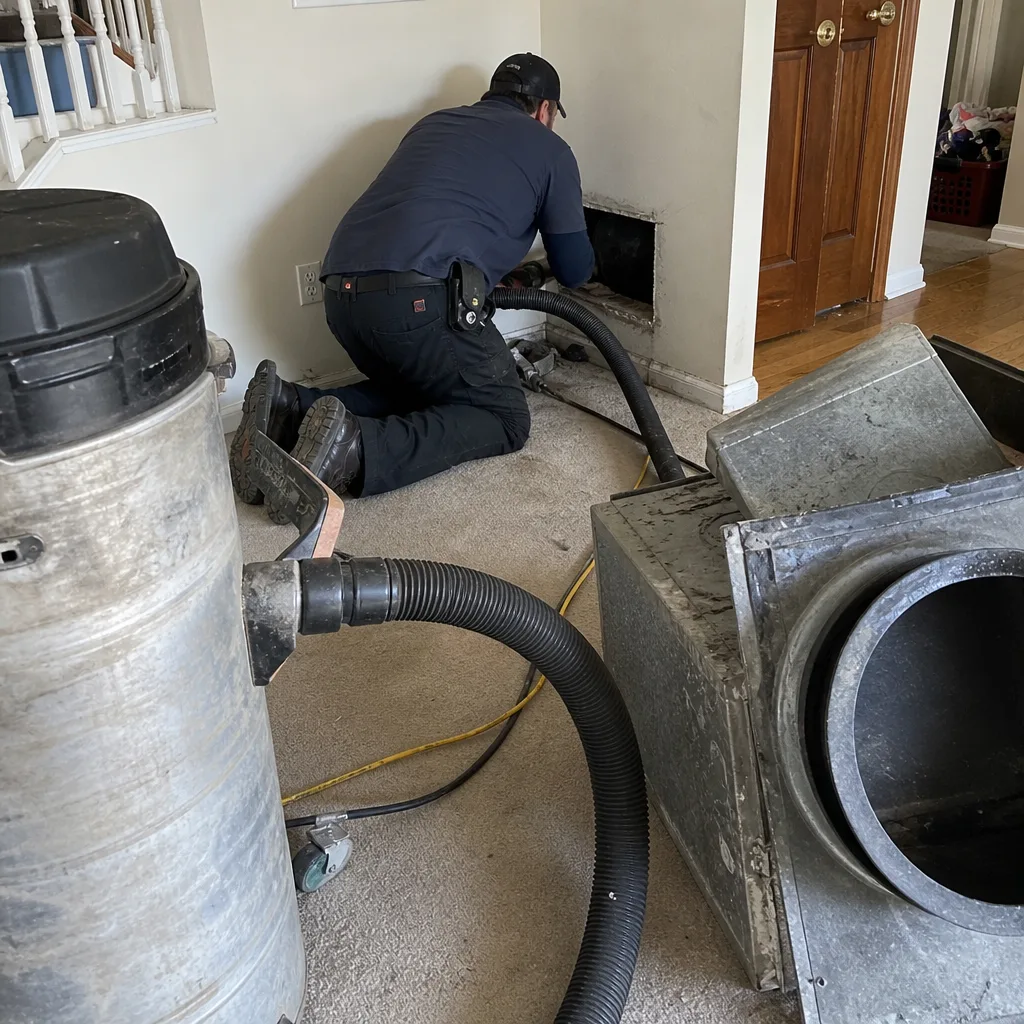 Before
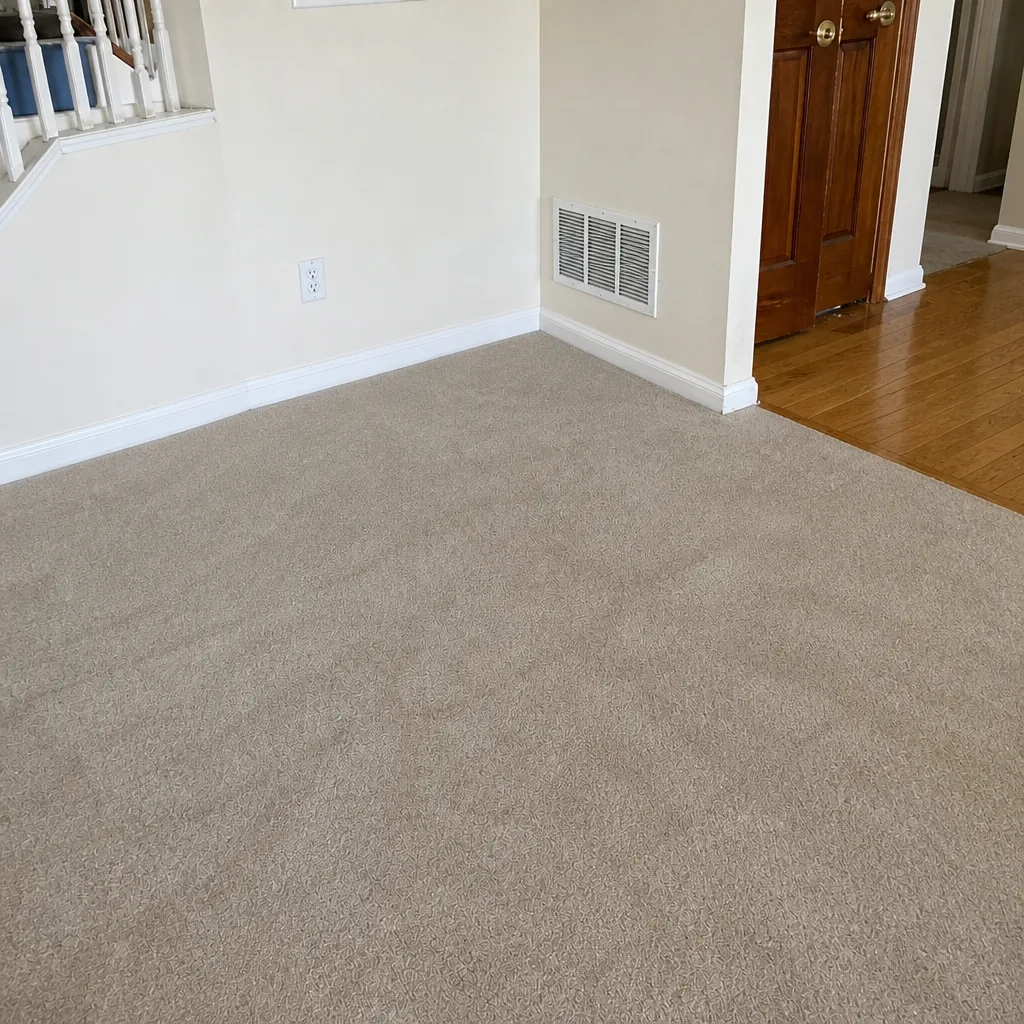 After
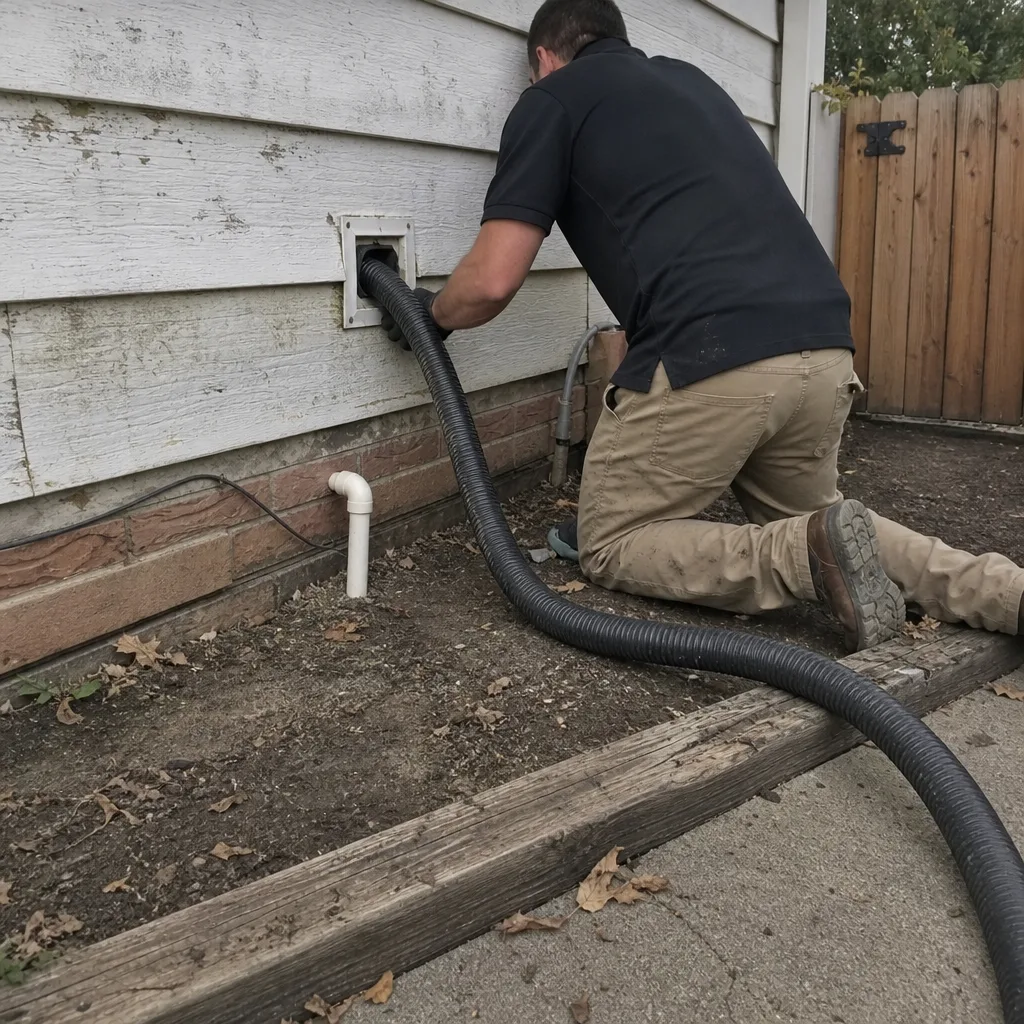 Before
 After
 Before
 After
When to Call a Professional
Call a professional when the work goes past the register face. That includes any visible debris accumulation inside the duct runs, musty odors that survive a filter change, evidence of rodents in the system, recent renovation, recent water intrusion, or mold suspicion anywhere near the ductwork. Call if you’ve never had the system inspected and you want to know what’s actually inside it. Call if you’re tired of the dust, the uneven heating, or the energy bills and you want a real diagnosis instead of another cleaning quote.
Duct Cleaning Arvada offers free estimates in Arvada. Call (833) 370-4086. We answer 24/7. Fast dispatch from 7am to 7pm, Sunday through Friday. Our technicians have up to 12 years of experience, and we don’t clean-and-leave. If there’s a duct problem, we diagnose and repair it on the same visit.
Frequently Asked Questions
Cost depends on the size of the system, the number of runs, and whether repairs are needed. That’s why we price per system, not per vent, and why the written estimate sets the final price before any work begins. There’s no bait-and-switch coupon that turns into a bigger invoice once a technician is on site. Call (833) 370-4086 for a free estimate and an honest starting number.
Yes, and for many homes that’s actually fine as regular upkeep. Register cover cleaning and filter replacement do reduce visible dust, and there’s no reason to pay for a service to do what you can handle safely. The question is whether the system itself is dirty, and that’s what you can’t see from a register. Call (833) 370-4086 if you’re not sure, and we can help you decide.
Because some companies quote a coupon price that doesn’t survive the visit. The low number turns into a bigger invoice once the technician is on site and starts pointing at problems. The other reason is equipment: a company that shows up with a shop vac is selling a different job than a company that shows up with professional-grade cleaning systems. Ask what equipment is used before you book. Call (833) 370-4086 and we’ll tell you exactly what we bring.
Ask for before-and-after photos of your own ducts, not stock photos. Professional cleaning shows visible results on a scope inspection, and you should be able to see the difference. If a company can’t show you what came out, that’s your answer. Call (833) 370-4086 for a walkthrough of what our scope inspection reveals.
Most homes don’t need it every year. A reasonable baseline is every three to five years for a typical Arvada home with no unusual conditions, and sooner after renovation, a rodent issue, water intrusion, or a new-to-you home where you don’t know the history. Anything more frequent than that is usually a sales strategy, not a maintenance need. Call (833) 370-4086 if you want a diagnosis instead of a schedule.
We do both. Air duct repair is a core service, not a referral. Disconnected sections, crushed runs, missing insulation, and rodent damage can all be diagnosed and fixed on the same visit as the cleaning. That’s the difference between a company that cleans and a company that cleans and repairs. Call (833) 370-4086 to book a scope inspection and estimate.
The Bottom Line
DIY duct cleaning has a real place in home upkeep, and it’s a short list: register covers, accessible return boxes, and filters. Everything past the register boot is mechanical work that requires sustained negative pressure and rotary agitation at the duct wall, and consumer equipment can’t provide either. The four conditions that make professional work non-negotiable (post-renovation debris, mold suspicion, rodent evidence, and water intrusion) are also not DIY situations, and the scope inspection that comes with professional service often reveals structural problems that affect energy bills and indoor air quality for years. Do the safe tasks yourself. Call a professional when the boundary is crossed. Call (833) 370-4086. We answer 24/7. Fast dispatch from 7am to 7pm, Sunday through Friday.
Written by the team at Duct Cleaning Arvada.