
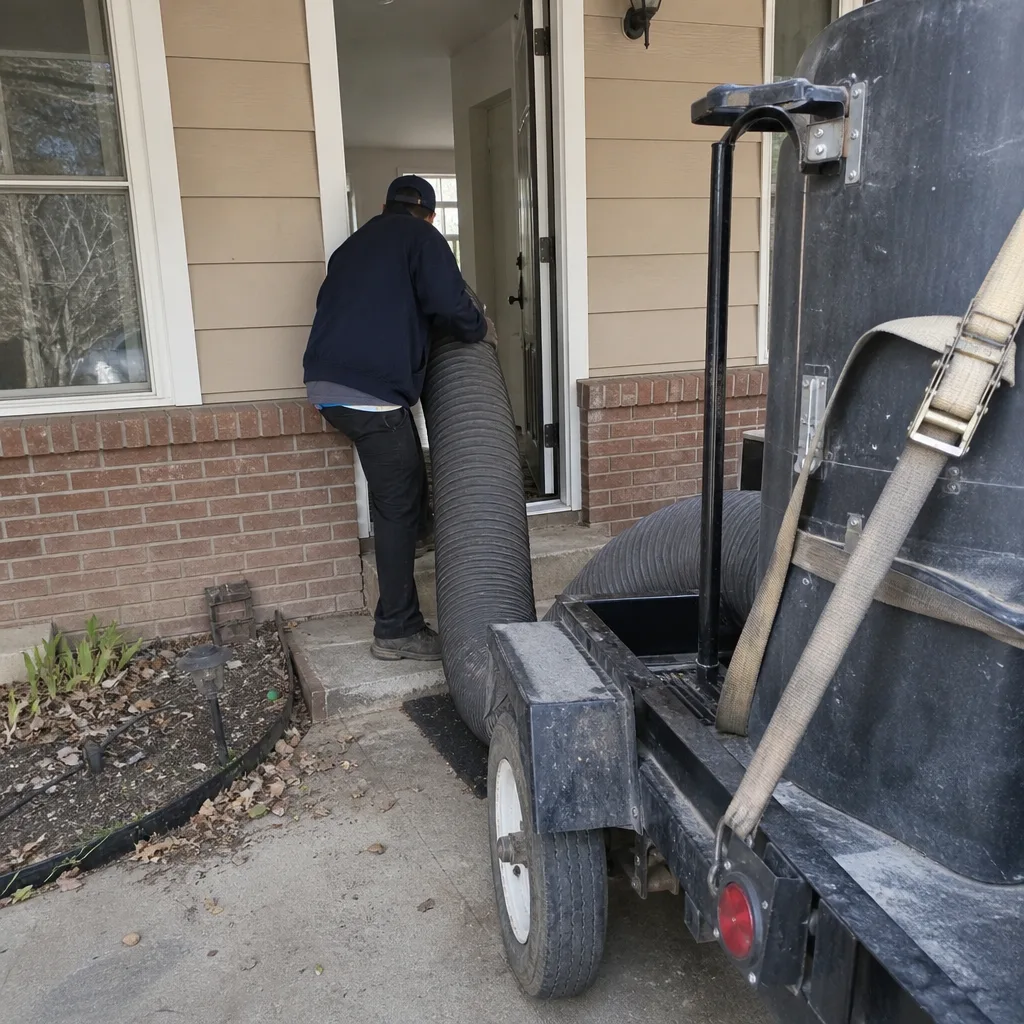
Last updated November 14, 2026
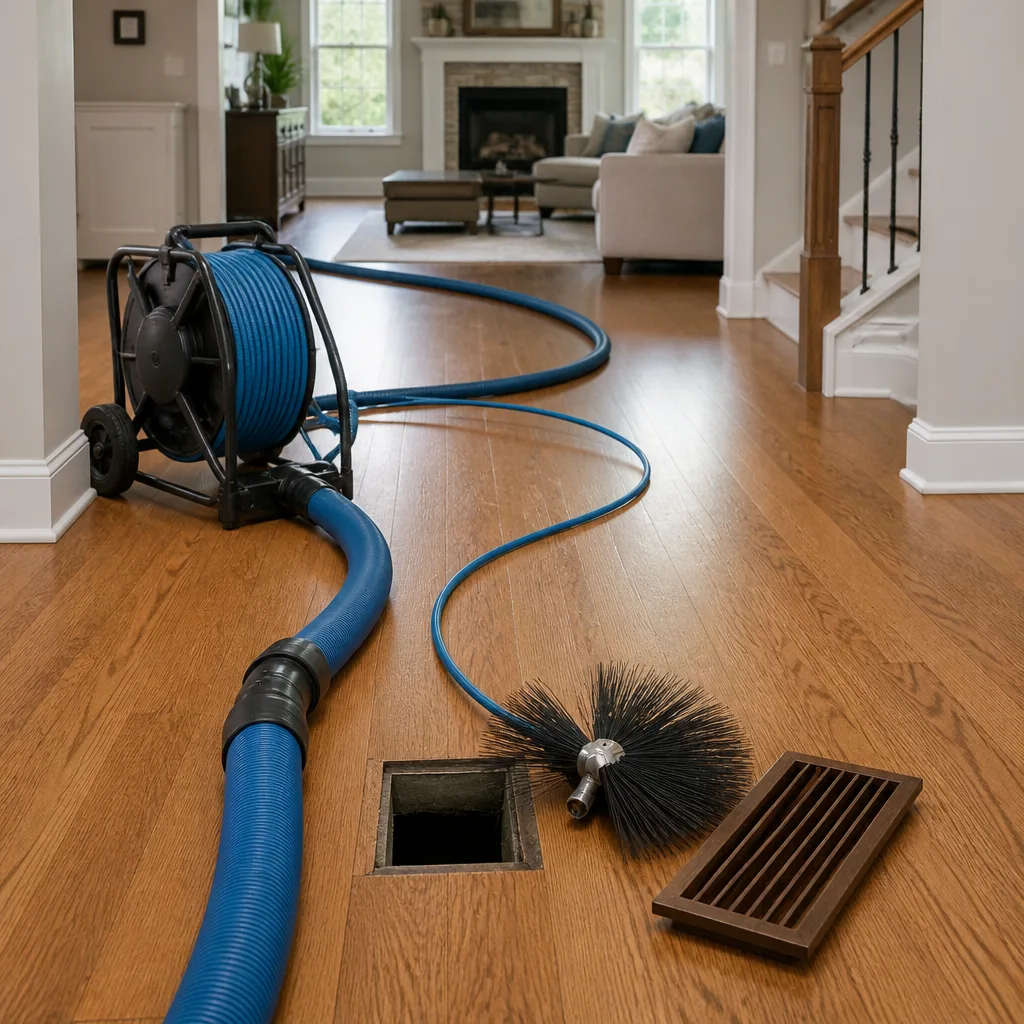 Whole-home duct cleaning
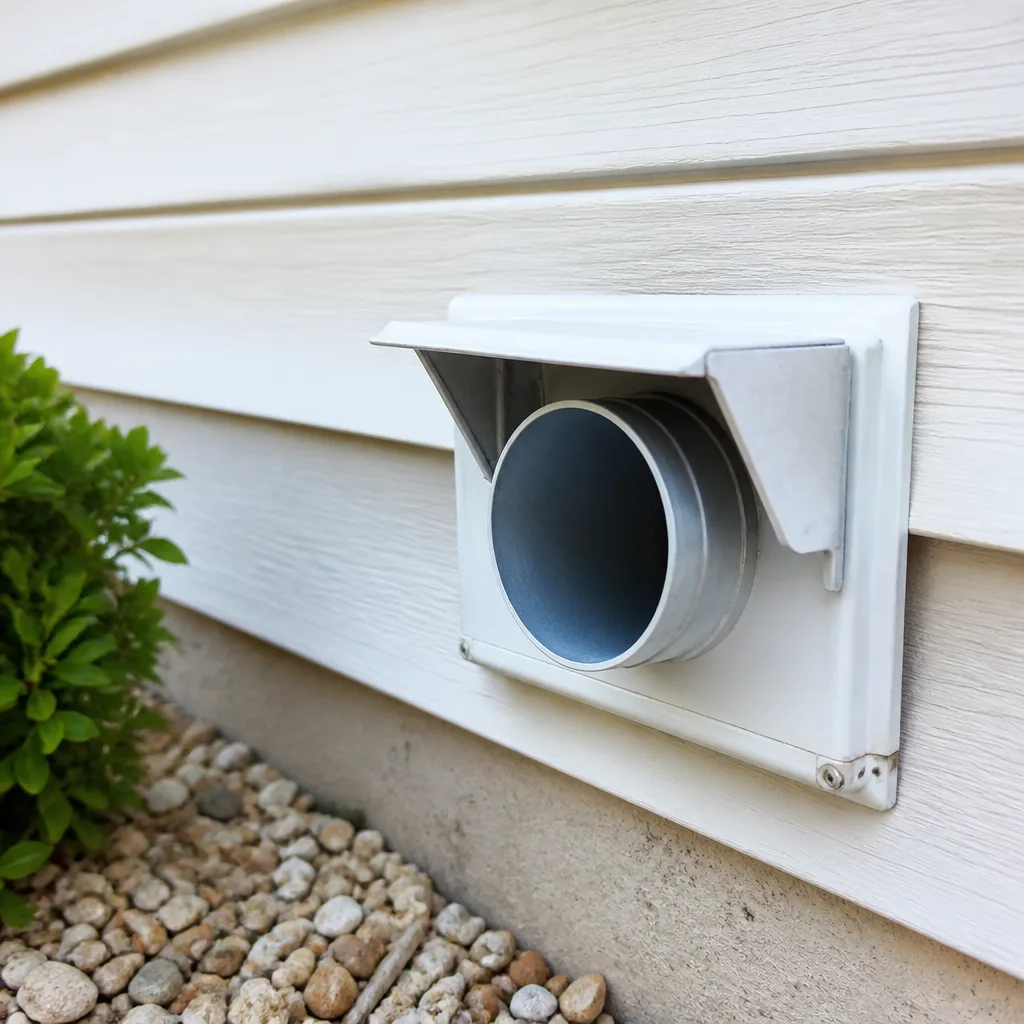 Dryer vent cleaning
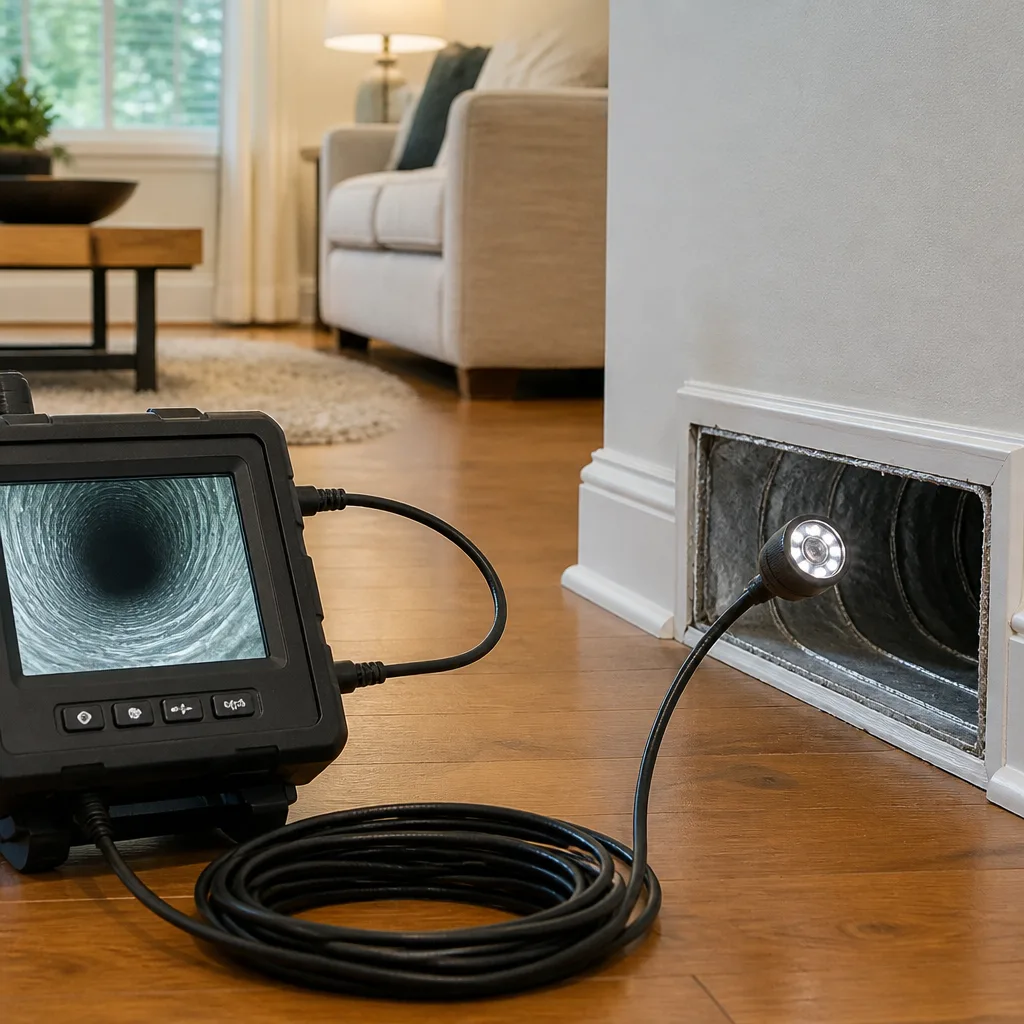 Camera inspection
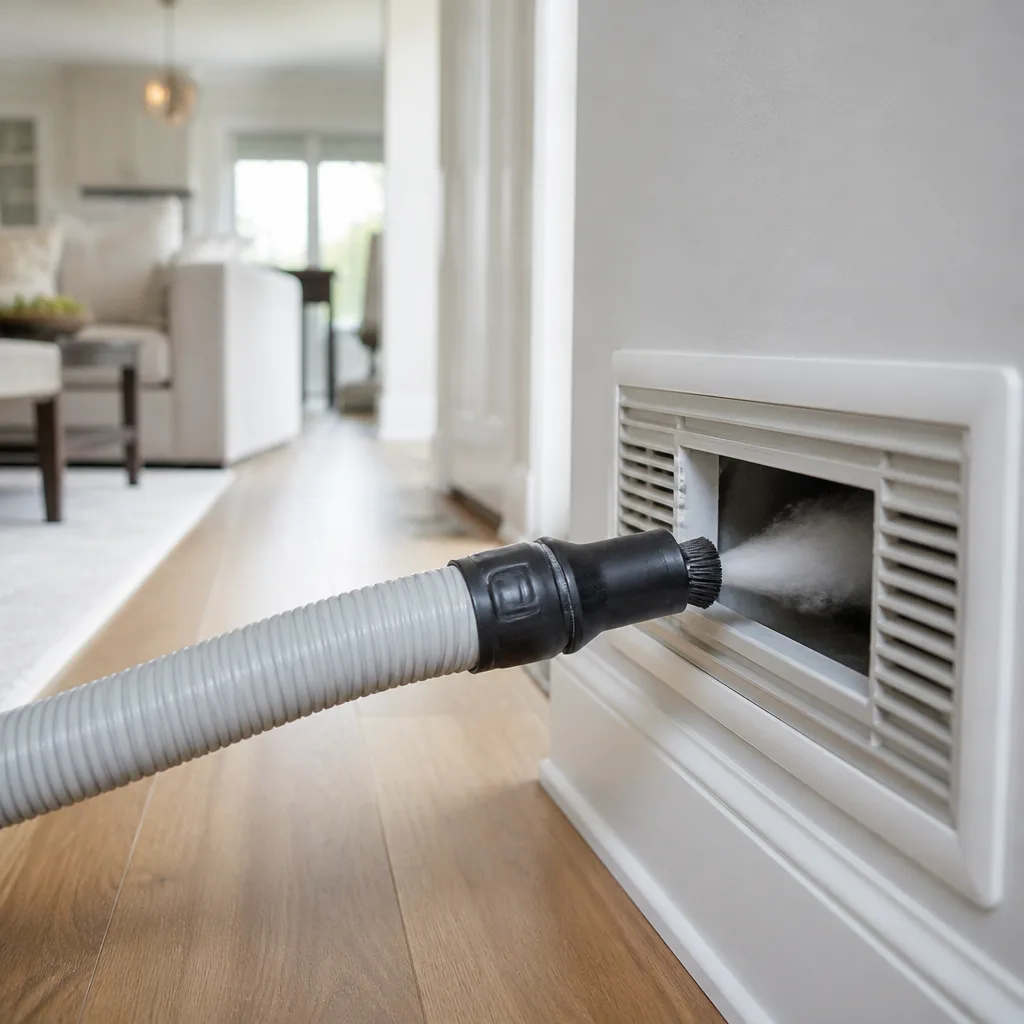 Sanitizing & deodorizing
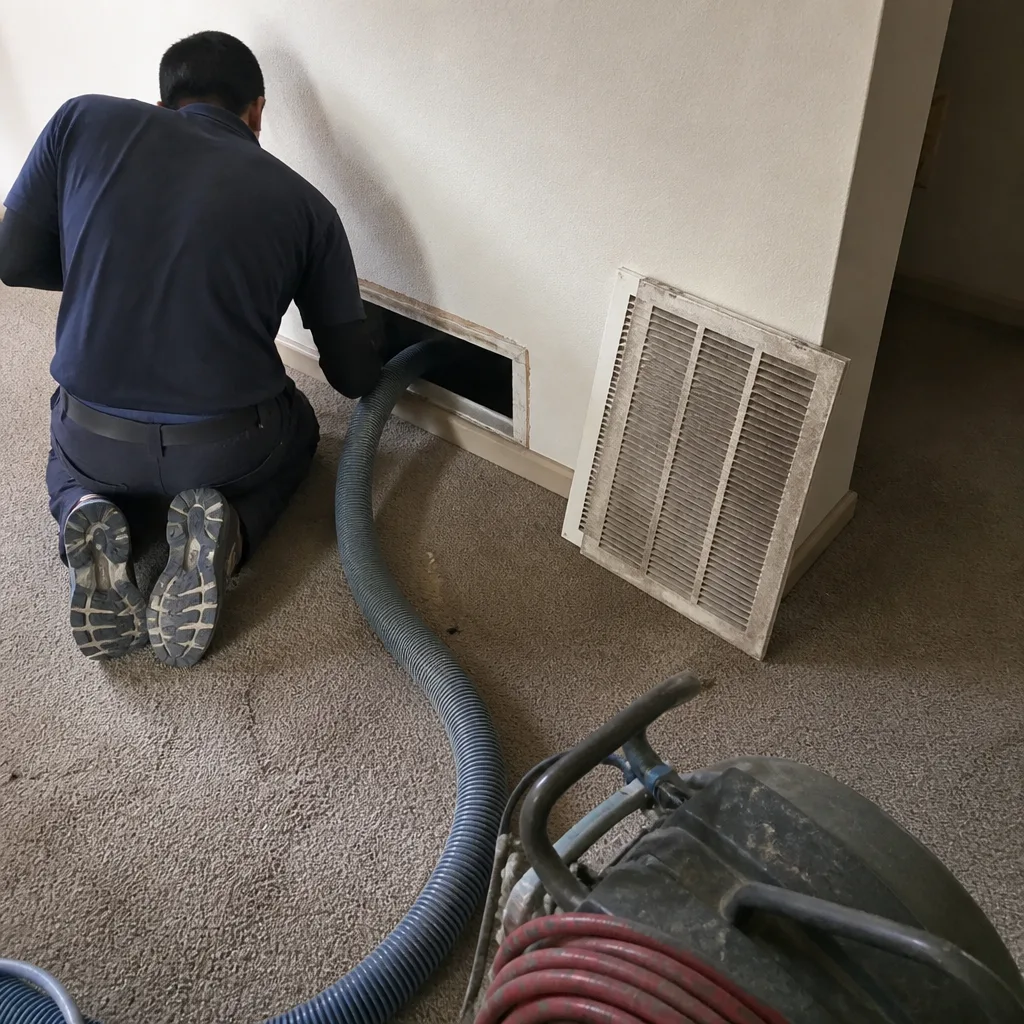
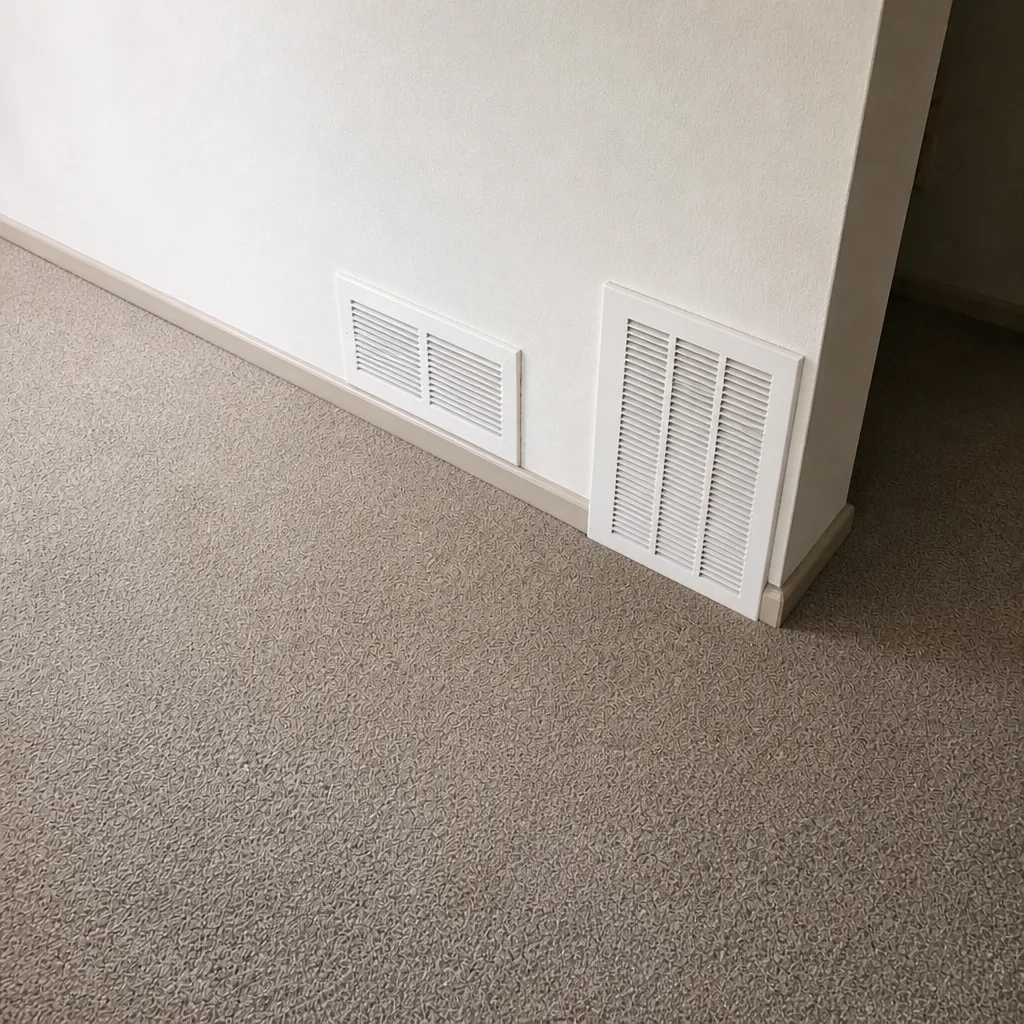
Whole-system duct and dryer vent check with before-and-after photos - you see exactly what came out of your vents
That "$99 whole-house special" is a bait ad - the real number appears once they are in your hallway, or the "clean" is a shop-vac at the register. We photograph the inside of your ducts before and after instead.
How to Hire an Air Duct Cleaning Contractor in Arvada: A Step-by-Step Guide
Colorado doesn’t license air duct cleaning as a trade of its own. That single fact explains a lot about the Arvada market. The $89 special and the $600 professional job can both be performed by someone with no verifiable training and no credential a homeowner can look up. The gap between those two quotes usually isn’t price. It’s what each operator can actually do once they’re inside your system, and whether they own the equipment to do it properly. This guide walks through the questions that expose that gap, from machine ratings to repair capability, so you can screen a contractor before anyone sets foot in the house.
Quick Answer
To hire an air duct cleaning contractor in Arvada, verify three things before booking: what equipment they run (professional-grade machines, not shop vacuums), whether they actually repair ducts or only clean them, and whether they walk through and assess your system before starting setup. Ask for the machine type, the access strategy, and repair capability in writing. A contractor who can answer all three with specifics is worth the quote. One who can’t is running a volume operation.
Styles & brands we work with
- Whole-home duct cleaning
- Dryer vent cleaning
- Camera inspection
- Sanitizing & deodorizing
Table of Contents
- Why Colorado Doesn’t License Duct Cleaners
- The Three Equipment Questions to Ask Before Booking
- What NADCA Membership Means (and What It Doesn’t)
- How to Read a Duct Cleaning Quote
- The Repair Capability Test
- What a Legitimate Pre-Service Walkthrough Looks Like
- Arvada Climate, Housing Stock, and Duct Conditions
- The Step-by-Step Hiring Process
Why Colorado Doesn’t License Duct Cleaners
Colorado has no state licensing requirement specific to air duct cleaning. That’s not a loophole; it’s a reality of how the trade is classified. Duct cleaning isn’t treated as a licensed mechanical or electrical discipline. What this means for an Arvada homeowner is simple: no state database exists where you can look up a duct cleaner’s credential. The burden of vetting falls on you.
That’s a different situation from hiring an electrician or a plumber, where you can verify a license class and check a public record. With duct cleaning, verification moves to different signals: industry association membership, equipment the contractor actually owns, and whether they can produce documentation of a specific process.
The practical fallout in the Arvada market is a wide spread of operators. On one end: a crew with a single portable machine and a shop-vac-style attachment, moving fast through a daily route. On the other: an outfit running professional-grade gear with the ability to repair what they find. Both can show up at your door and call it duct cleaning. Neither has a license number to display.
This is why the screening questions in this guide matter more than they would in a licensed trade. You’re not checking a credential. You’re checking capability. Those are different exercises, and the second one requires knowing what to ask.
What you can verify in Arvada
- Business registration through the Colorado Secretary of State.
- Insurance – ask for a certificate of insurance before work starts.
- NADCA membership – verifiable through the association’s directory, not just a logo on a website.
- Equipment type – ask what machines they run and confirm the answer holds up to specific questions.
- Repair capability – ask directly and get it in writing.
What you cannot verify is a state-issued duct cleaning license, because Colorado doesn’t issue one. Any contractor who implies otherwise is a red flag.
The Three Equipment Questions to Ask Before Booking
Equipment is where a competent duct cleaner separates from a volume operator. Most homeowners don’t ask about it, which is exactly why it’s the most useful screening question. Here are three questions to ask before booking, and what the answers should tell you.
- What machine do you run, and what’s its CFM rating? CFM measures airflow – cubic feet per minute. Professional-grade duct cleaning machines from manufacturers like Rotobrush and Nikro are built specifically for duct work, not adapted from shop vacuums. Ask the model. A contractor who can name their machine and speak to its airflow is a contractor who owns it and understands it. Vague answers (“a professional setup”) tell you something.
- How do you access the ducts? Proper cleaning requires access points – typically through registers, sometimes through cuts in the ductwork itself. A thorough contractor will explain their access strategy before arriving. One that only cleans from the register grilles without addressing the trunk lines is doing partial work.
- Do you carry a camera scope? A camera lets a contractor see what’s actually inside the system before deciding how to clean it. That’s diagnostic work, not guesswork. If a contractor can’t show you what they found, ask why.
These three questions cover the core of equipment capability. They also reveal whether the contractor thinks diagnostically. A crew that carries a camera and knows its machine’s airflow is approaching your system as a system, not as a job ticket to clear.
The same professional-grade equipment we run – Rotobrush and Nikro systems, with Abatement Technologies containment and filtration gear on every job – exists precisely because loosening debris without capturing it just relocates the problem. A vague answer to these three questions is usually a signal about what’s not being captured.
What NADCA Membership Means (and What It Doesn’t)
NADCA stands for the National Air Duct Cleaners Association. It’s the industry’s main trade body, and membership requires adherence to a code of ethics and a defined assessment and cleaning standard. For a Colorado homeowner with no state licensing to fall back on, NADCA membership is one of the more useful signals available.
Here’s how to verify it:
- Go to the NADCA website directly – not the contractor’s site.
- Use the member lookup tool with the company’s exact business name.
- Confirm the name appears as an active member, not a former one.
Membership alone, though, is not a guarantee of repair capability. NADCA addresses cleaning and assessment standards. It doesn’t certify that a given member can seal a leaking joint, reconnect a separated trunk line, or replace damaged flex duct. Plenty of NADCA members are cleaning-only operations, and that’s a legitimate business model – as long as the homeowner knows that going in.
Our position on this is straightforward: cleaning capability and repair capability are two different skill sets, and the second one is where the industry has more gaps. Air duct repair exists as a core service for us, not a referral and not an upsell – technicians diagnose and fix structural problems on the same visit. NADCA membership tells you a contractor takes the trade seriously. What they can actually fix inside the system tells you how seriously.
When you’re hiring in Arvada, use NADCA as a starting signal, then run the repair test below before you commit.
How to Read a Duct Cleaning Quote
A duct cleaning quote is a diagnostic document. It tells you how the contractor intends to work, whether they’ve assessed your specific system, and whether they plan to be thorough or fast. Most homeowners read only the bottom line. Read the line items instead.
Line items that signal a thorough job
- Number of supply and return vents addressed – a real assessment should count them and match the quote to the actual system.
- Trunk line cleaning – beyond the individual registers.
- Furnace or air handler access – cleaning the blower compartment and coil area, not just the ducts.
- Containment and extraction – mention of equipment used to capture debris during the job.
- Before-and-after documentation – photos of your system, not stock images.
What a flat rate often signals
A single flat rate with no line items – especially a low one – is often a volume operation. The flat rate can’t accommodate the differences between a 1960s Arvada ranch with original metal ductwork and a newer construction home with flex runs and multiple zones. If the quote doesn’t vary with the system, the work probably won’t either.
We set one price per system, agreed in writing before work starts. That’s not the same as the lowest flat rate you’ll see advertised. It’s the answer to the industry’s bait-and-switch problem: the price you agree to is the price you pay, and you get before-and-after photos of your own ducts so you know the work was actually done.
For an honest sense of whole-system ranges rather than a per-vent teaser, the estimate is yours free. Call air duct cleaning and we’ll walk through your system first.
The Repair Capability Test
Here’s the question most homeowners don’t ask, and it’s the one that separates a cleaning contractor from a duct specialist: can you seal duct leaks, reconnect separated joints, and replace damaged flex duct? Ask it directly. Then get the answer in writing.
This matters because ductwork fails structurally. Flex runs tear or collapse. Joints separate. Metal joints leak. When a cleaning-only contractor finds a problem during the job, the best they can do is tell you about it and refer you elsewhere. That means a second contractor, a second appointment, and no guarantee the second person will approach the problem the way the first one described it.
Ask these specific questions:
- Can you seal leaking duct joints?
- Can you reconnect separated trunk or branch connections?
- Can you replace damaged or crushed flex duct?
- Will the repair be quoted in writing before work starts?
- Do you carry materials for these repairs on the visit?
A contractor with repair capability will answer these as routine questions. One who subcontracts repairs will usually say so, or will give you a careful non-answer. Either way, you’ve learned something before anyone is in the house.
This is the “we clean it, we fix it” distinction, and it’s why we treat repair as a core service. The right equipment for what’s actually in your ducts doesn’t stop at cleaning. If a joint is leaking, the debris will be back. Repair is what makes a cleaning last.
What a Legitimate Pre-Service Walkthrough Looks Like
Before a legitimate contractor starts setup, they walk the system. This is one of the most useful things to watch for, and one of the easiest to miss, because a rushed contractor will skip it and go straight to the equipment.
Here’s what a proper walkthrough involves:
- Register count – counting supply and return vents room by room and comparing to the quote.
- Furnace and air handler inspection – looking at the blower, the coil, and the filter situation.
- Duct access points – identifying where to access the system and confirming with you.
- Visible condition notes – calling out what they see: dust levels, filter condition, any obvious damage.
- Camera scope – feeding a camera into the system to see what isn’t visible from the register.
- Floor and surface protection – laying down protection before equipment goes in.
A contractor who starts setting up before assessing the system is telling you something. Setup-first is a signature of volume work: the crew’s job is to run the machine, not to understand the system.
We use Guardsman-backed surface protection practices on every job, and the walkthrough comes first. If the assessment reveals something that changes the scope – damage, disconnected duct, a filter situation that needs attention – that gets discussed before the machine runs. See what’s inside your system, then decide what to do about it.
If a contractor pushes past the walkthrough and goes straight to hoses and vacuums, that’s your moment to ask them to stop and start over. A professional will welcome it. A volume operation will push back.
Arvada Climate, Housing Stock, and Duct Conditions
Arvada’s housing stock and Front Range climate both shape what a duct system is likely to look like when a contractor opens it up. Neither is exotic; both are worth understanding before you hire.
The city spans a wide range of construction eras. Older neighborhoods – parts of the Olde Town area, established blocks around Wadsworth and Ralston Road – often have original or partially updated ductwork, sometimes metal trunk-and-branch systems from the mid-twentieth century. Newer areas on Arvada’s western and northern edges are more likely to use flex duct in longer runs through conditioned and unconditioned spaces.
The climate piece matters too. Arvada’s dry air and cold winters put the heating system through long run cycles. Dry conditions can stiffen flex duct and dry out joints over time. Winter operation on a furnace running hard for months is when duct leaks are least forgiving – heated air escaping into an attic or crawlspace is money up the flue. Summer cooling stresses the same system from the other direction. A cleaning-only contractor may see the dust; a repair-capable one sees the joint that’s letting the heated or cooled air leak out.
The Front Range also has particulate days – smoke from regional fires, wind-blown dust in spring – and better air starts with what you can’t see. A clean system plus a proper filter setup is more meaningful in Arvada than in a place with steady humidity that keeps particles clumped and settled. We work with Honeywell and Aprilaire product lines for filtration upgrades, and pairing a clean system with a filter matched to your setup is more useful here than in most markets.
None of that means every Arvada home needs duct cleaning right now. It means the assessment matters more than the sales pitch. If you’re in Arvada, a walkthrough that accounts for your system’s actual age and construction is worth more than a flat rate that pretends all ducts are the same.
The Step-by-Step Hiring Process
Here’s the whole process in sequence. Each step screens for something specific, and none of them require an appointment.
- Define what you’re asking for. Are you seeing dust settling faster than usual? Higher energy bills? A musty smell when the system runs? Note which rooms are worst and whether it correlates with certain weather. This turns the call into a conversation, not a quote request.
- Search for contractors, then verify. Skip the ads and check NADCA’s directory. Read reviews for specifics – a review that names equipment, process, or a repair is more useful than a five-star rating with no detail.
- Ask the three equipment questions. Machine and CFM, access strategy, camera scope. Vague answers here are disqualifying.
- Ask the repair test questions. Sealing, reconnecting, replacing flex. Get it in writing.
- Request a written estimate. Line items, whole-system scope, one price agreed before work starts. Reject per-vent quotes and low teaser rates that don’t survive the visit.
- Confirm before-and-after documentation. You should get photos of your own ducts, not a stock gallery.
- Watch the walkthrough on arrival. Assessment first, setup second. If setup comes first, stop the job.
Sound like a lot of screening for a cleaning job? It is, and that’s the point. Colorado’s lack of licensing puts the burden on you, and the questions above are how a homeowner converts that burden into knowledge. The right contractor is vetted before the quote, not after the invoice.
For a free estimate in Arvada, call Duct Cleaning Arvada at (833) 370-4086. We answer 24/7. Fast dispatch from 7am to 7pm, Sunday through Friday.
One more note: dryer vent cleaning is worth asking about while you’re already hiring a duct contractor. A clogged dryer vent is a documented leading cause of house fires, and addressing it on the same visit is efficient.
Common Mistakes to Avoid
- Hiring on price alone. The $89 special exists because it doesn’t include the work. A low teaser rate that becomes a much larger invoice once the technician is on site is the industry’s oldest playbook. Screen on capability first, price second.
- Skipping the camera scope question. If a contractor can’t look inside the system, they’re guessing about what’s there. In an Arvada home with fifty-year-old ductwork, guessing is not a good strategy.
- Assuming a positive review means repair capability. Reviews speak to cleaning. The repair test is a separate question, and a well-reviewed cleaning-only contractor still can’t seal a leaking joint for you.
- Accepting a per-vent price. Per-vent pricing incentivizes speed over thoroughness. Whole-system pricing with one agreed flat rate is the model that protects the homeowner.
- Booking without a written estimate. A verbal quote has no line items and no enforcement. Get the specific scope in writing, including what happens if they find damage.
- Letting setup start before assessment. If equipment comes in before a walkthrough, the contractor has already decided what the job is. Ask them to assess first, or reschedule.
- Cleaning without fixing. In an Arvada home with a leaking joint, cleaning lasts until the next heating season, because the same leak refills the system with dust. Repair is what makes the cleaning stick.
See the difference
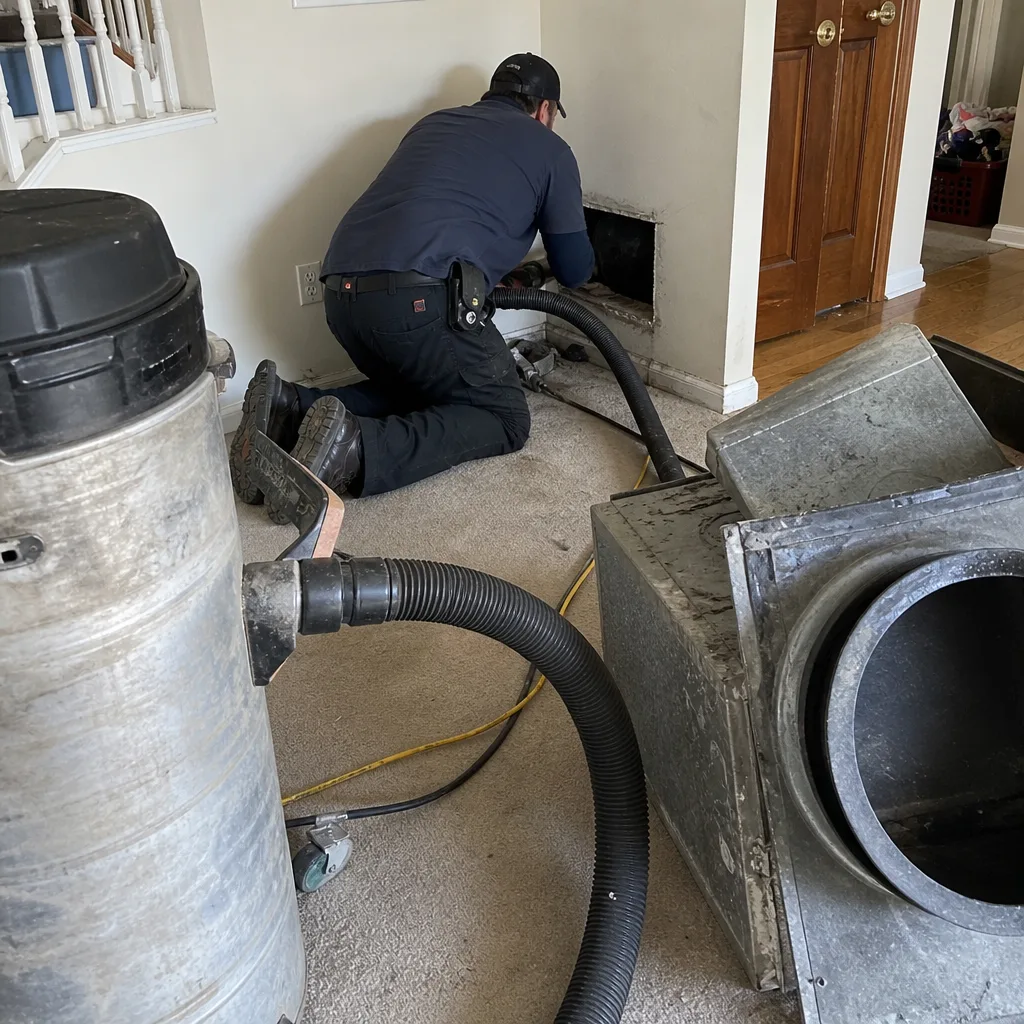 Before
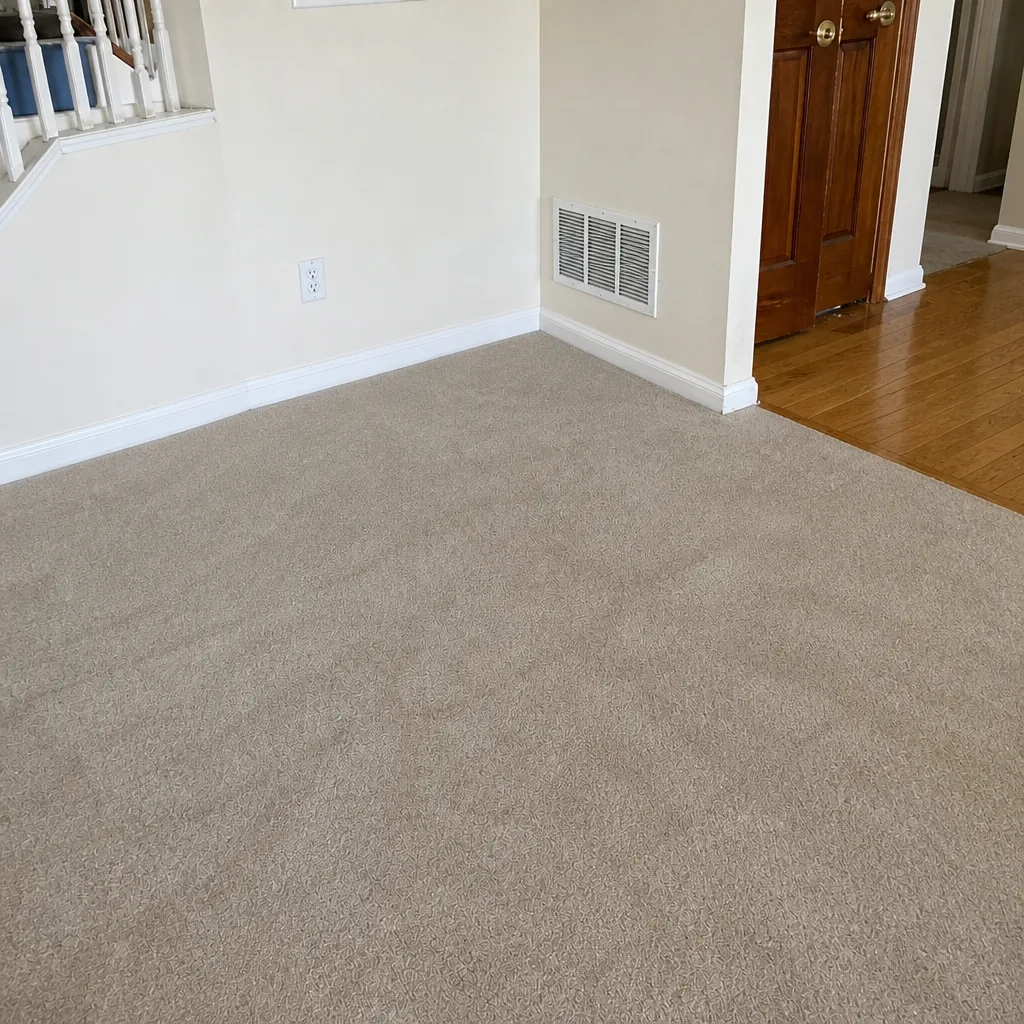 After
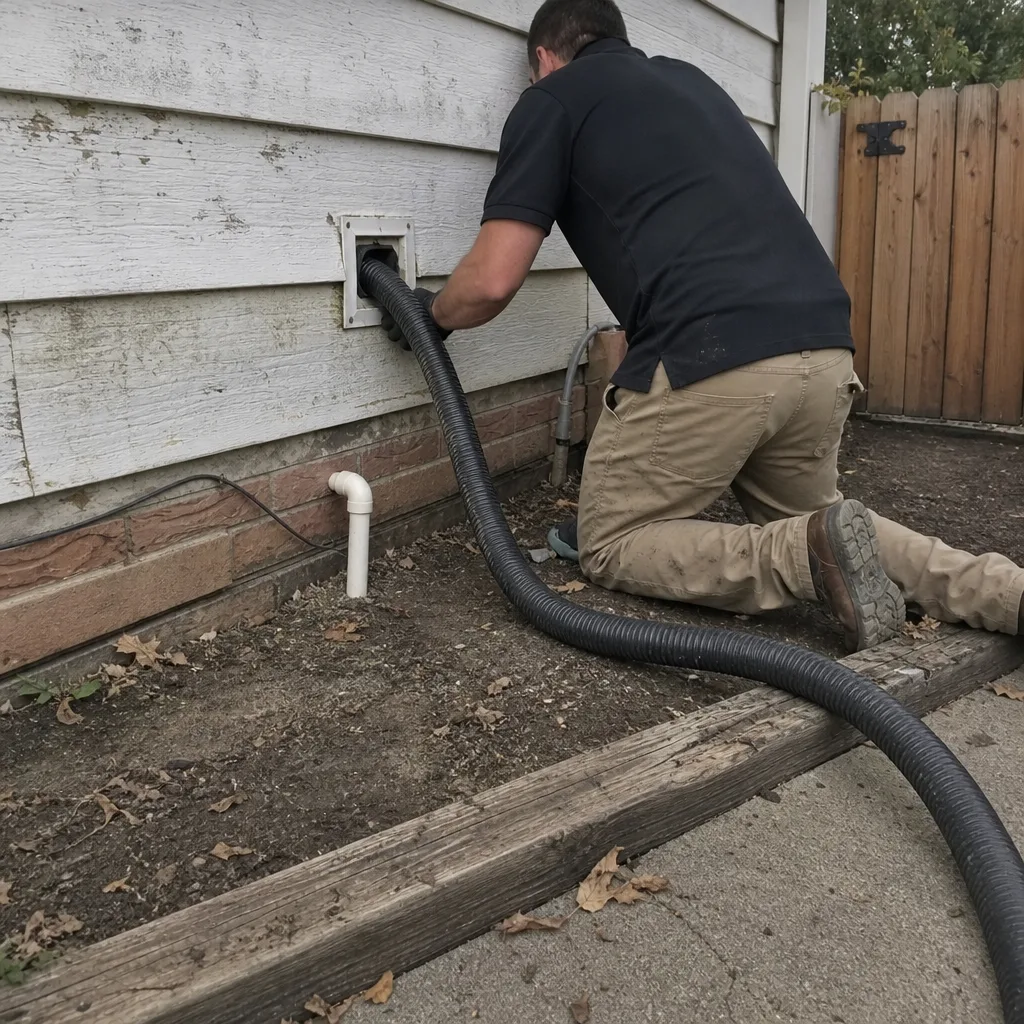 Before
 After
 Before
 After
When to Call a Professional
You don’t need duct cleaning on a calendar. You need it when the system tells you it’s due. Persistent dust that returns faster than usual, higher-than-expected energy bills through the heating season, a musty smell when the system starts, or allergy symptoms that flare when the HVAC kicks on all point to a system worth assessing. Visible damage – crushed flex, separated joints – is a repair call, not a cleaning one, and worth addressing before the debris settles. If your dryer takes longer than it used to or the exterior vent flap doesn’t open fully, that’s a vent call. Duct Cleaning Arvada offers free estimates in Arvada – call (833) 370-4086. We answer 24/7. Fast dispatch from 7am to 7pm, Sunday through Friday.
Frequently Asked Questions
Air duct cleaning in Arvada typically runs in the range of a few hundred dollars for a standard residential system, with the final price depending on the number of runs, system size, and whether any repair work is needed. We don’t quote per-vent prices or teaser rates because those numbers don’t reflect the whole-system job; one price per system, agreed in writing before work starts, is how we price. Call (833) 370-4086 for an exact quote – estimates are free.
No. Colorado does not license air duct cleaning as a specific trade, which means there’s no state credential to verify. Instead, verify NADCA membership through the association’s directory, ask for a certificate of insurance, and screen on equipment and repair capability. Call (833) 370-4086 for a free estimate.
Cheap quotes usually reflect a smaller scope: less equipment, fewer access points, no camera, no repair capability, and a per-vent or flat-rate model that doesn’t account for your actual system. The lower price isn’t a discount; it’s a narrower job. Call (833) 370-4086 for an honest whole-system estimate.
Ask for before-and-after photos of your own ducts, not a stock gallery. A contractor who uses a camera scope can show you what they found and what changed. If a contractor can’t produce photos of your system, the work is unverified. Call (833) 370-4086 for a free estimate.
Most homes go several years between cleanings; there’s no fixed calendar. Trigger points matter more than intervals: after a renovation, when dust returns faster than usual, when energy bills climb without an obvious cause, or when the system starts to smell. In Arvada’s dry climate, a system with joint leaks will need cleaning more often until the leaks are sealed. Call (833) 370-4086 for an assessment – estimates are free.
Sometimes, yes – especially if the cause is a leaking joint, a disconnected run, or crushed flex duct. Cleaning alone won’t fix those; repair will. That’s why we ask about repair capability before booking. We clean it. We fix it. Call (833) 370-4086 for a free estimate.
The Bottom Line
Colorado doesn’t license duct cleaners, so the screening is on you. The good news is that three questions – what machine they run, how they access the ducts, and whether they can repair what they find – tell you most of what you need to know before anyone sets foot in your house. NADCA membership is a useful starting signal, quote line items are a diagnostic tool, and the walkthrough is the moment you see whether a contractor actually assesses the system or just runs a machine. In Arvada, with its mix of older metal systems and newer flex runs, capability matters more than price. Vet before the quote.
Call Duct Cleaning Arvada at (833) 370-4086 for a free estimate. We answer 24/7. Fast dispatch from 7am to 7pm, Sunday through Friday. Our technicians have up to 12 years of experience, and we bring professional-grade Rotobrush, Nikro, and Abatement Technologies equipment to every job – because the right equipment for what’s actually in your ducts is the difference between a cleaning and a fix.
Written by the team at Duct Cleaning Arvada.