
Last updated November 14, 2026
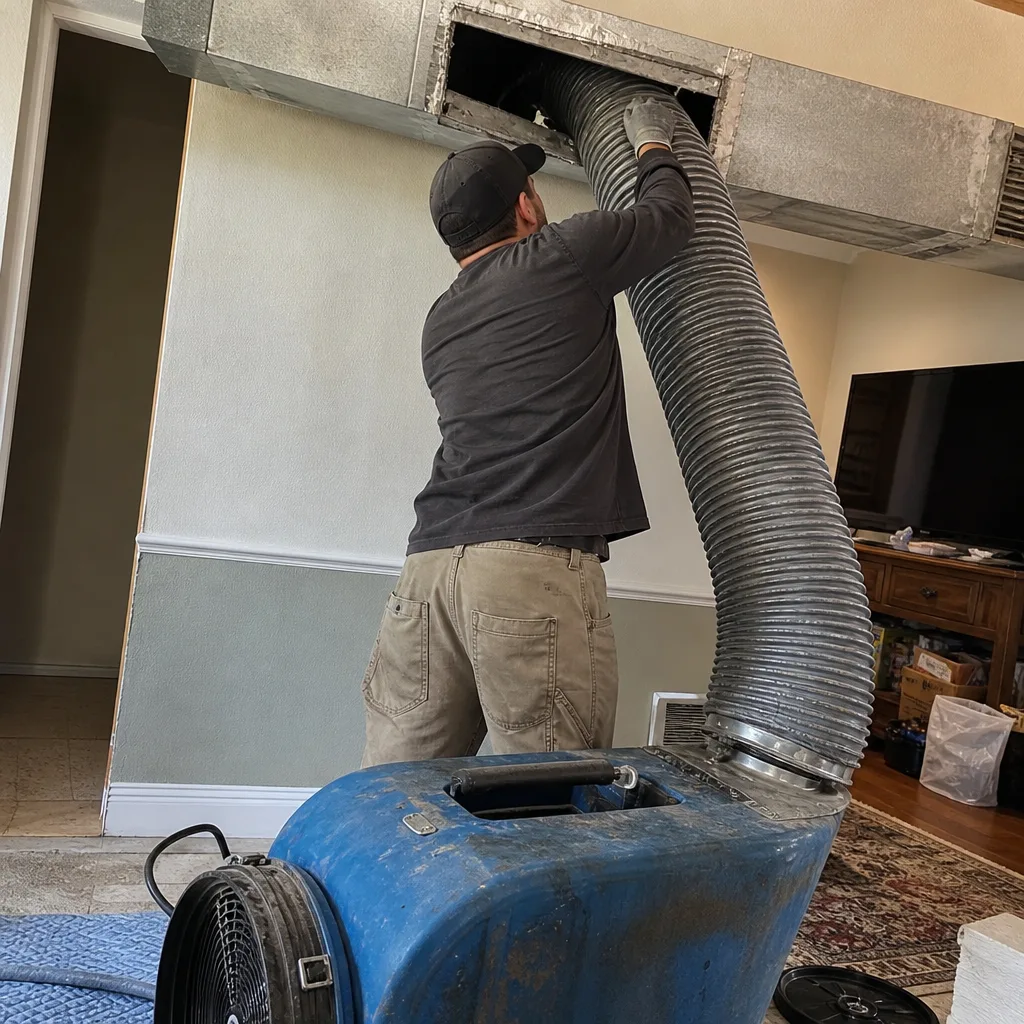
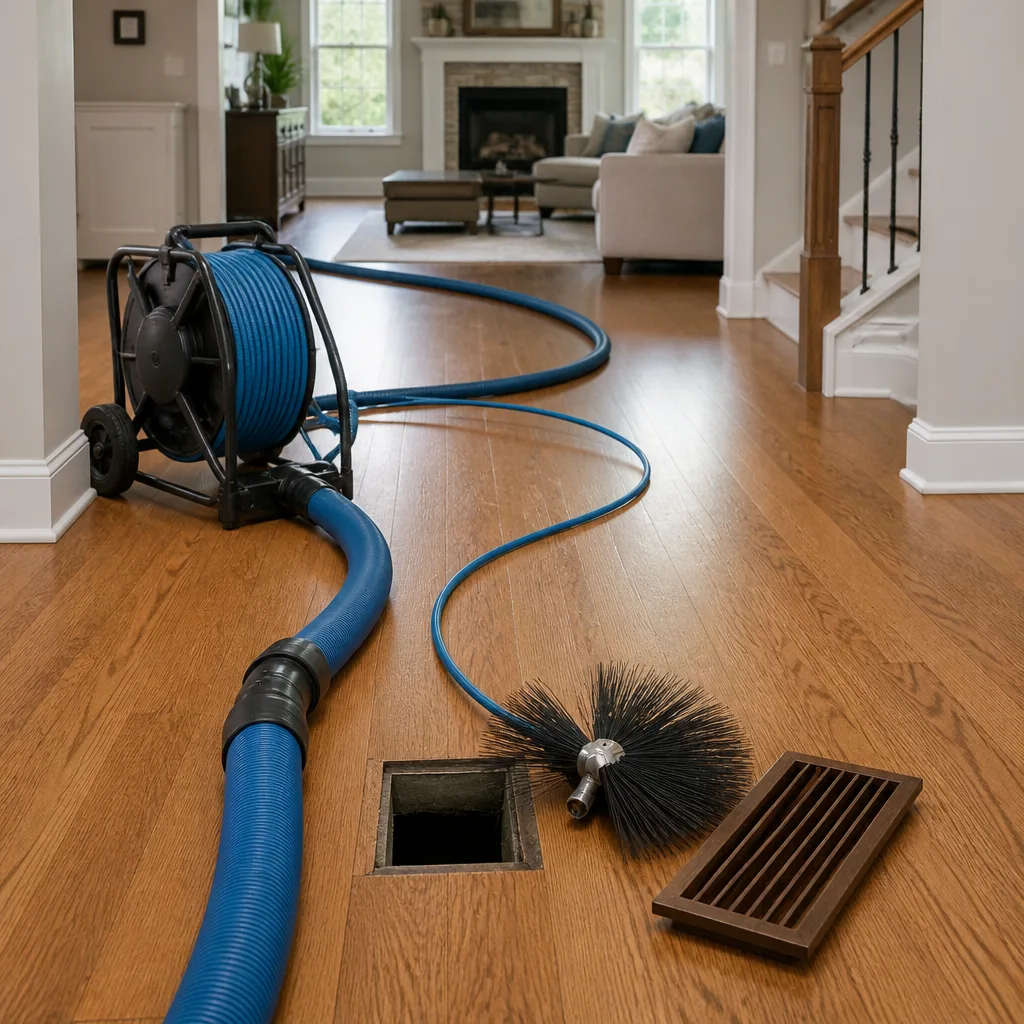 Whole-home duct cleaning
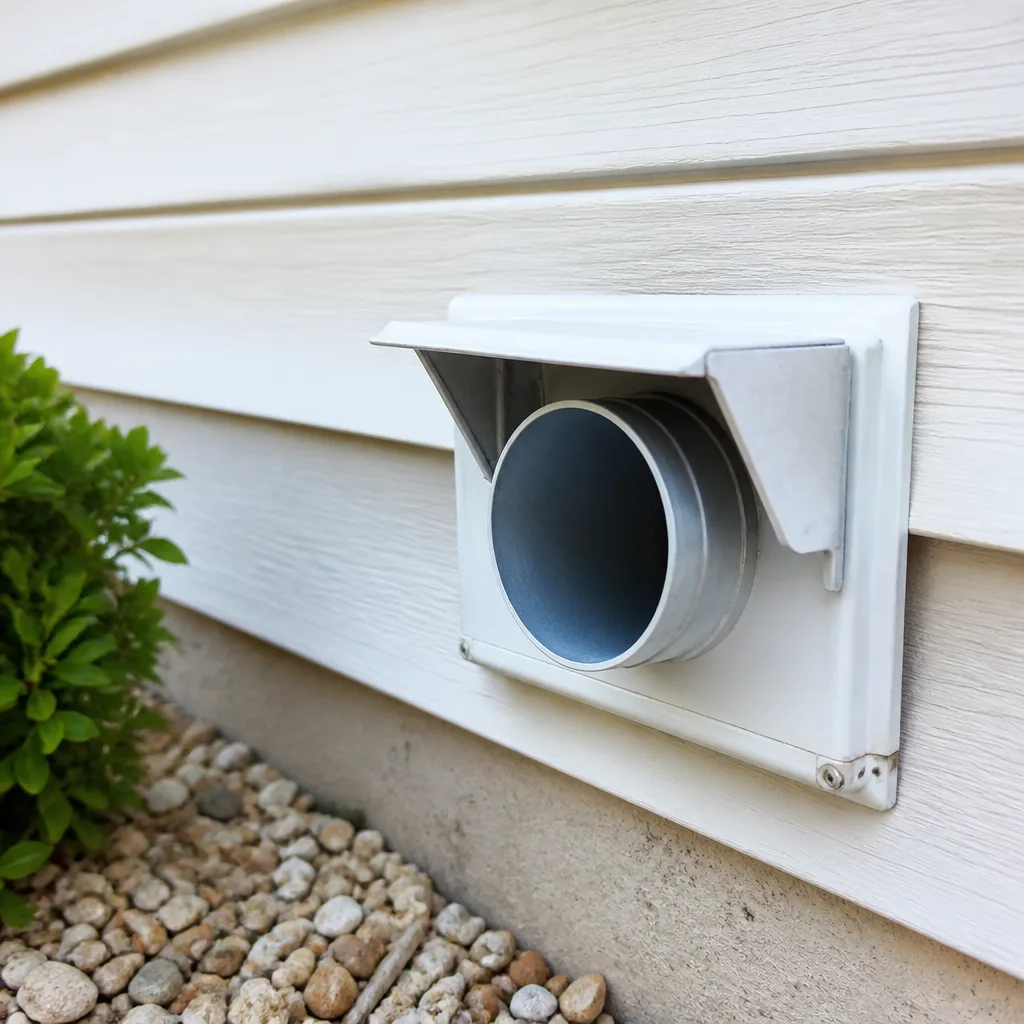 Dryer vent cleaning
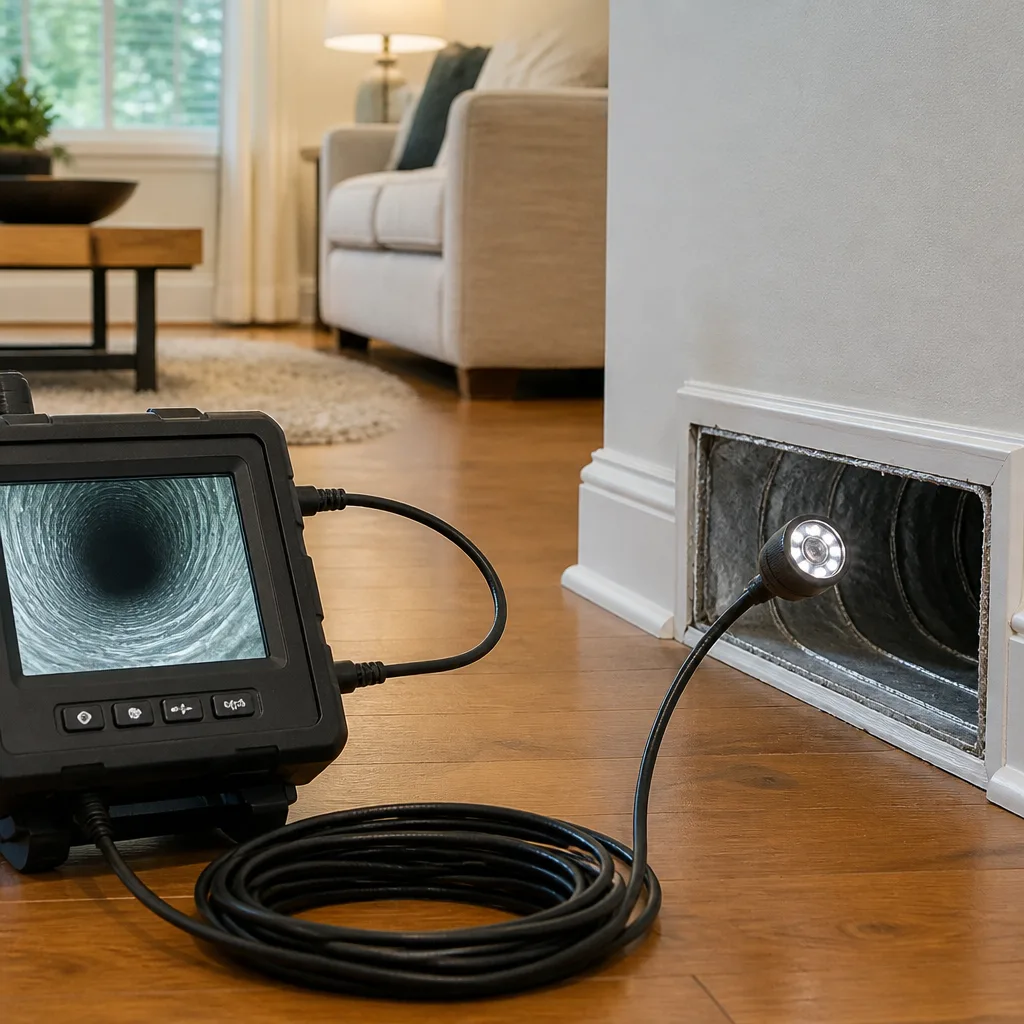 Camera inspection
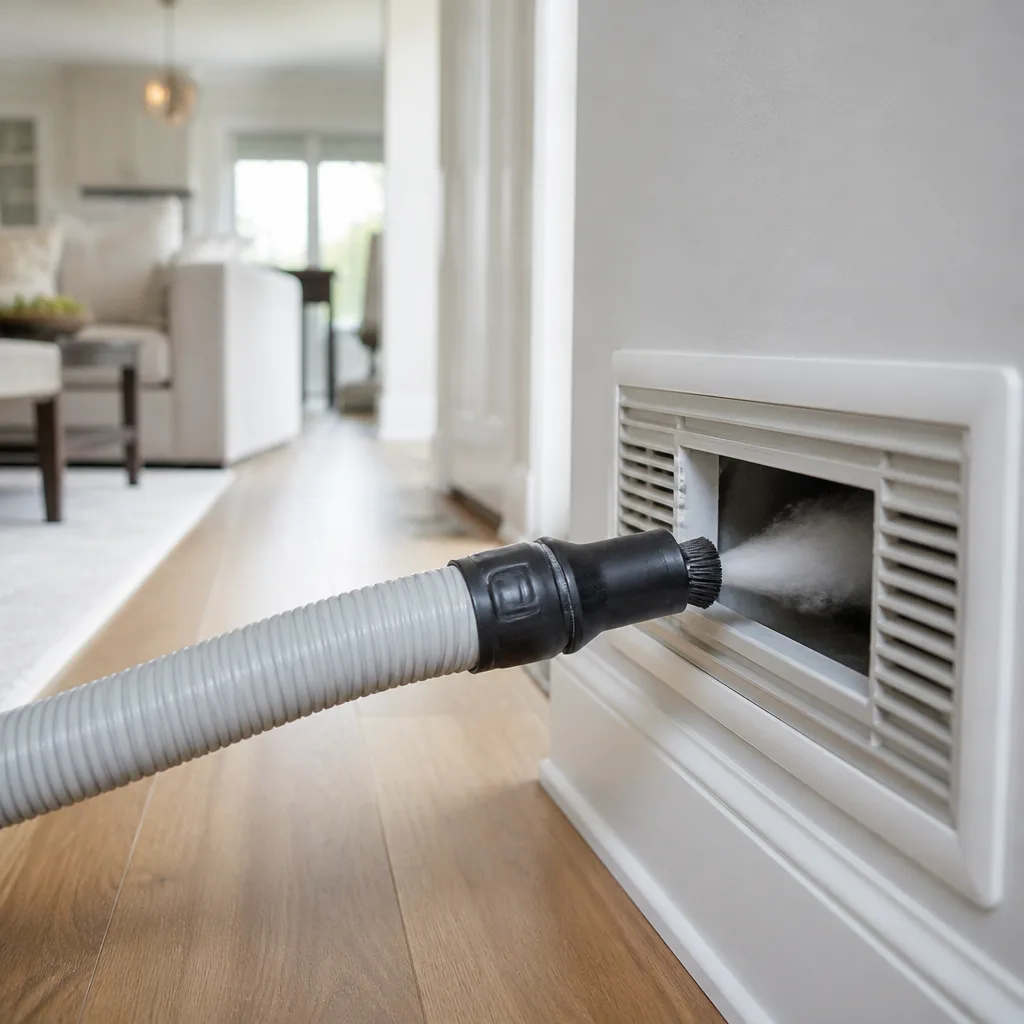 Sanitizing & deodorizing
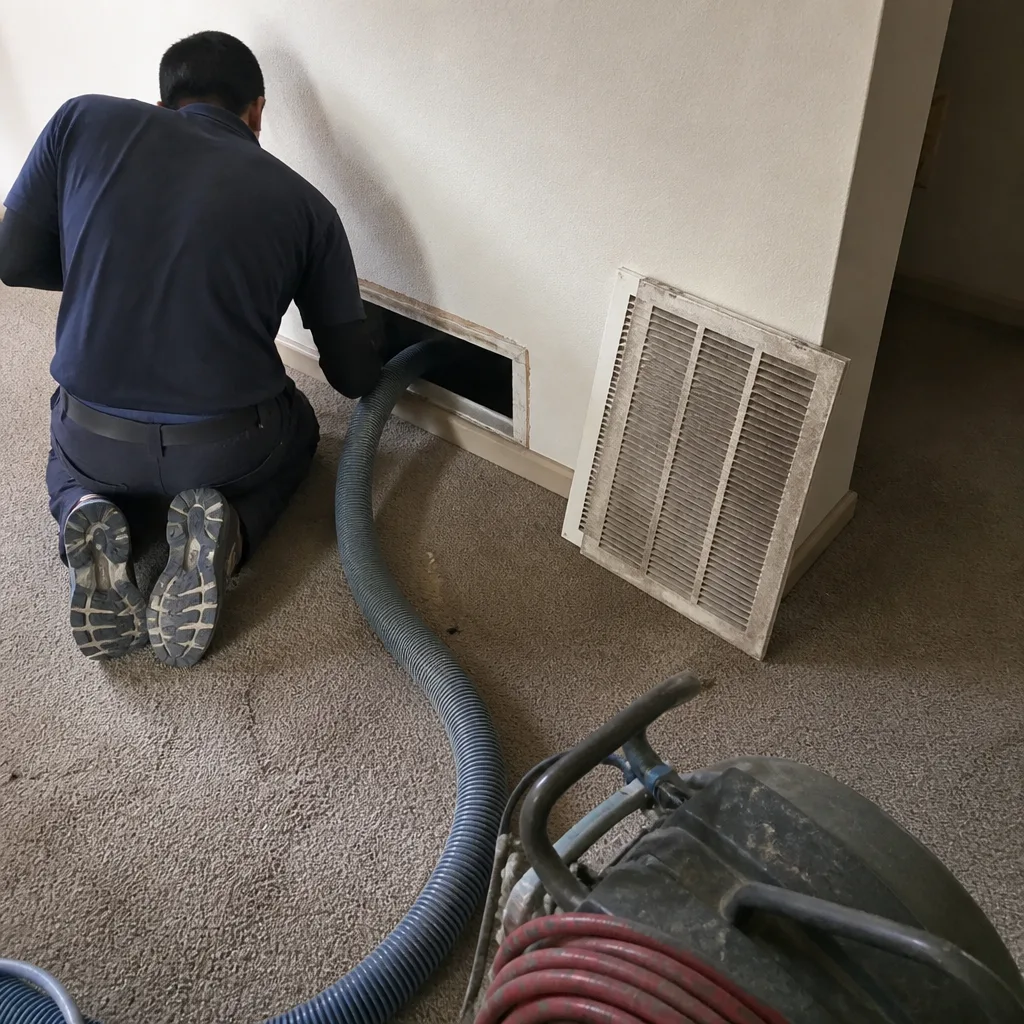
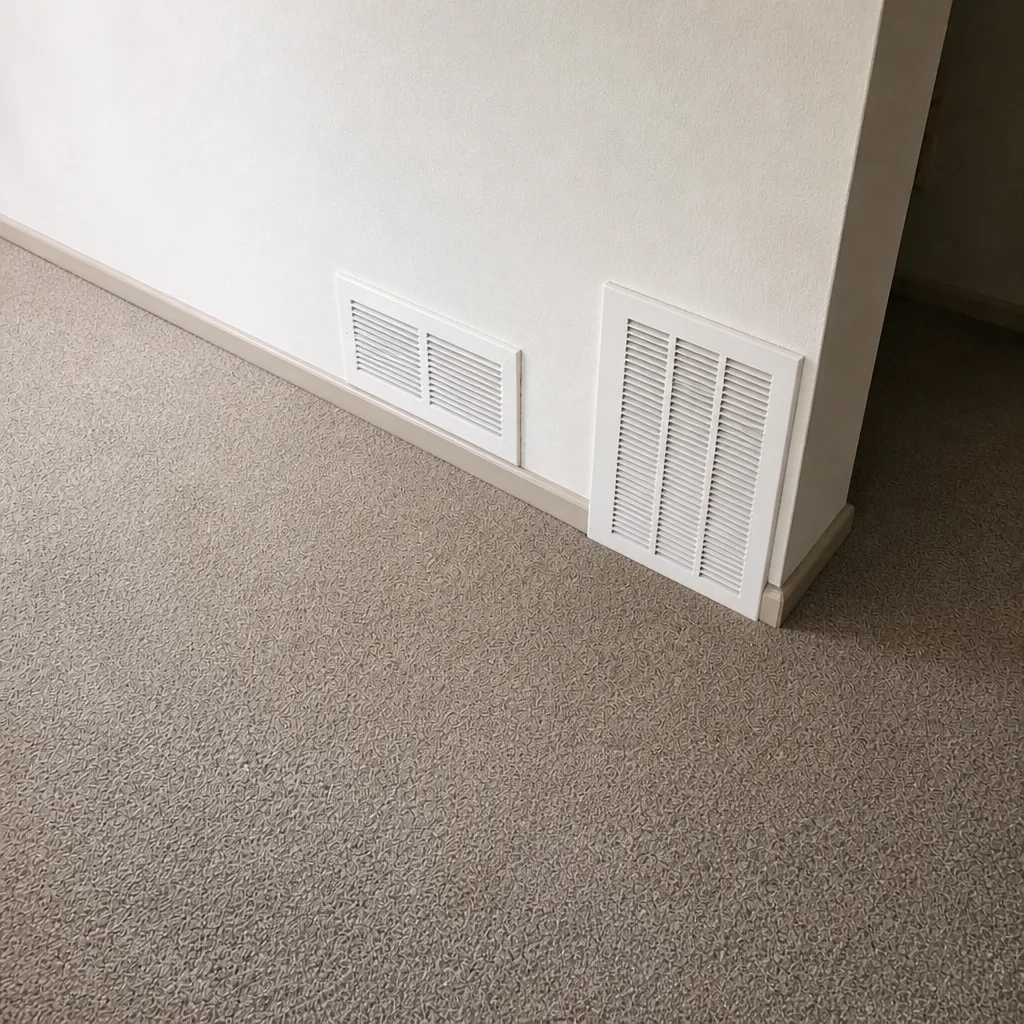
Whole-system duct and dryer vent check with before-and-after photos - you see exactly what came out of your vents
That "$99 whole-house special" is a bait ad - the real number appears once they are in your hallway, or the "clean" is a shop-vac at the register. We photograph the inside of your ducts before and after instead.
Air Duct Cleaning Emergency Preparedness Guide for Arvada Homes
Most homeowners treat duct cleaning as a maintenance item – something to get to eventually. That’s the wrong frame for Arvada. This city sits at the eastern foot of the Front Range, where a single season can bring wildfire smoke rolling down from the foothills, a fast-moving hailstorm that punches through roof decking, and a flash flood that pushes water into a finished basement, all within a few months of each other. Each of those events can turn your duct system into a delivery route for contamination, and each has a response window measured in hours, not weeks. This guide covers the post-event playbook: what to do in the first 24 to 72 hours after wildfire smoke, a flood, or a major hail event, and how to triage your system before you pick up the phone.
Quick Answer
After a wildfire smoke event, shut down your HVAC system, check your filter, and get the ducts professionally cleaned within 72 hours before smoke odor embeds in the duct liner. After a flood, determine whether water actually contacted the ductwork – mold can begin colonizing wet flex duct within 48 hours. After a major hail or storm event that compromised your roof, inspect attic duct runs for penetration and disconnect before running the system again. In every case, the first 24 to 72 hours determine whether you’re looking at a cleaning and repair or a full duct replacement.
Styles & brands we work with
- Whole-home duct cleaning
- Dryer vent cleaning
- Camera inspection
- Sanitizing & deodorizing
Table of Contents
- Why Arvada Homeowners Face a Specific Duct Emergency Risk
- Post-Wildfire Smoke Protocol: The First 24 Hours
- Post-Flood Response: Identifying Water Exposure in Your Ducts
- Hail and Storm Damage: Roof Penetration and Return Air Pathway
- What Emergency Duct Cleaning Actually Involves
- How to Triage Your System Before Calling
- Common Mistakes to Avoid
- When to Call a Professional
- Frequently Asked Questions
Why Arvada Homeowners Face a Specific Duct Emergency Risk
Arvada sits in a pocket of the Front Range where three natural hazards overlap. The city’s western edge climbs into the foothills and open space bordering Jefferson County, which puts neighborhoods like Arvada on the receiving end of smoke from fires burning west and northwest. The eastern half of the city – Olde Town, Ralston Valley, the areas near the Ralston Creek drainage – drains toward low points when heavy rain falls fast. And the whole metroplex gets hammered by hailstorms that routinely damage roofs across Arvada every spring and summer.
Your duct system runs through every one of those scenarios. It’s a network of sheet metal and flex runs connecting your furnace, air handler, and every room in the house. When wildfire smoke is in the air, your return ducts pull it in – along with whatever else is airborne – and push it through the system. When water enters a basement, it finds the lowest duct runs first. When hail cracks a roof deck, the attic ductwork that runs through the same space is suddenly exposed to whatever comes through the gap.
What separates an emergency from an inconvenience is timing. Smoke odor compounds can set into the porous liner of flex duct. Wet duct insulation becomes a growth medium. A crushed attic run ruins the pressure balance of the entire system, and the furnace works harder to compensate. The point is not that every storm means a duct emergency. It’s that the first day or two after the event determine which category you’re in.
The good news is that the triage steps are things any homeowner can do safely. We’ll walk through each event type, what to check, and when to hand it off to a technician who can diagnose and fix what’s actually happening inside the system rather than just run a vacuum through it. We clean it. We fix it.
Post-Wildfire Smoke Protocol: The First 24 Hours
Wildfire smoke events along the Front Range can push particulate into your home within hours, and the HVAC system is one of the main entry points. Here’s the sequence that keeps you in the recoverable category.
Step 1: Shut down the HVAC system
The moment smoke is heavy in your area, run the system as little as possible. Every time the blower kicks on, it pulls outside air and whatever is suspended in your home through the return ducts. If your thermostat has a fan-only or circulate setting, turn it off so the fan stops cycling. Window units and portable ACs pulling from outside should come off too.
Step 2: Check your filter
Pull the filter and hold it up to a light. A filter that’s loaded with grayish-brown particulate after a smoke event is saturated and doing more harm than good – a clogged filter chokes airflow and can pull debris past the filter housing. Replace it. If your filter was fresh before the smoke event and it’s visibly loaded within a day or two, that’s a sign your system is pulling a significant volume of smoke particulate. Note what your filter looked like – it’s useful information for a technician.
Step 3: Seal the obvious gaps
Weatherstripping around doors, gaps at the base of windows, the mail slot – during a heavy smoke event, these matter. A fresh filter and a closed house slow down infiltration. You can’t seal your way out of a smoke event, but you can reduce what your ducts pull in.
Step 4: Time the professional call
The 72-hour window is real. Smoke odor compounds and fine particulate penetrate the porous inner surface of flex duct, and the longer they sit, the more the smell sets. A duct cleaning inside that window can extract the contamination before it becomes a persistent odor problem that no amount of filter upgrades will fully solve. You may notice the smell of smoke in your home days after the air outside has cleared – that’s the system, not the season.
Post-Flood Response: Identifying Water Exposure in Your Ducts
Water in the basement is a plumbing or drainage emergency, but the duct question is separate and just as time-sensitive. Here’s how to figure out whether water reached the ductwork, and what happens if it did.
Was the water deep enough to touch ductwork?
Basement duct runs – especially trunk lines and furnace plenums – often sit low. If standing water reached the base of your furnace or air handler, or submerged any portion of the duct system, you have direct water exposure. If water stayed confined to an unfinished area several feet from the equipment, you may not. Look for water lines on the equipment cabinet, damp insulation, or rust streaks at duct joints. If the supply or return ducts at floor level show water stains, treat it as exposure until a technician says otherwise.
The mold timeline is faster than you think
Mold colonization in wet ductwork can begin within 48 hours of water exposure under warm, humid conditions. Flex duct is worse than sheet metal. Its inner liner is typically a layer of porous material, and once that layer is wet, it holds moisture and food sources, and it’s difficult to fully dry. Sheet metal duct with wet internal insulation has a similar problem: the insulation traps water against the metal. Sheet metal without insulation dries faster but still needs to be evaluated for debris and contamination. The practical takeaway: if your ducts got wet, don’t wait to see if the smell develops. Have them inspected within 48 hours.
What not to run
Do not run the HVAC system while the ducts may be wet or contaminated. Blowing air through wet ductwork spreads moisture and whatever is growing in it into living spaces that were otherwise untouched. Keep the system off and get an inspection.
Hail and Storm Damage: Roof Penetration and Return Air Pathway
Hail in Arvada is not a cosmetic problem for roofs, and it’s not just a roofing problem either. Damage to the roof deck and sheathing can open a pathway into attic space, and attic space is often where duct runs live.
Why attic duct runs are vulnerable
Many homes in the Arvada area – especially newer construction and homes with finished second floors – run flexible ductwork through the attic to reach second-floor supply registers. Those runs are unprotected by anything but the roof above them. After a major hail event, whether you have water intrusion depends on whether the roof deck was penetrated. Even a small opening lets wind-driven rain and debris into the attic, and any duct run passing under that opening can be affected.
What to inspect after the storm
- Any visible denting or damage to the roof from the ground, or worse, from the attic
- Water stains on attic framing, insulation, or ductwork
- Duct runs that have come loose from their hangers or are sitting on wet insulation
- Kept-off-the-floor duct runs that have shifted or sagged – sagging runs reduce airflow to every register they feed
- Anything that looks crushed, compressed, or disconnected at a joint
The return air problem
A roof penetration changes more than the attic. If the return air pathway runs through a space that now has an opening to the outdoors, the system may be pulling attic air, outdoor air, and moisture into the return side and redistributing it. The symptom you’ll notice is dust or musty odor at supply registers after the storm. What’s actually happening is a pressure change in the system, and it needs to be diagnosed rather than guessed at. Air duct repair, not just cleaning, is the fix in that scenario.
What Emergency Duct Cleaning Actually Involves
Emergency duct cleaning after smoke, water, or storm damage is a different scope than routine service. Here’s what proper post-event work looks like.
Containment and HEPA extraction
The first piece is containment. On a post-event job, the technician sets up negative pressure and HEPA filtration so that contamination loosened inside the system doesn’t migrate into the living space during the work. We use Abatement Technologies air filtration and containment equipment on every job for exactly this reason. Standard cleaning without containment on a contamination job just redistributes. The right equipment for what’s actually in your ducts is the starting point, not a selling point.
Decontamination, not just debris removal
Post-event cleaning includes source removal of debris and contaminant, mechanical agitation of the duct interior, and treatment where warranted. We run Rotobrush and Nikro systems – purpose-built duct cleaning machines, not repurposed shop vacuums. That distinction matters on a contamination job, because the equipment has to handle fine particulate, and on a storm-affected job, because it has to handle debris left behind by water or roofing material.
Documentation for insurance
Post-event duct cleaning often falls under a homeowner’s insurance claim, especially when tied to a covered event like storm damage or water intrusion. Document the work with photographs, a description of what was found, and before-and-after images of your own ducts. See what’s inside your system – and keep a record of it. That documentation is what supports a claim.
Repair, not just cleaning
On a post-event job, cleaning is only half of it. Compromised duct runs – crushed, disconnected, wet-insulated sections that need replacement – get repaired on the same visit where possible. Air duct repair is a core service for us, not a referral. That’s the difference between a duct system that’s been cleaned and a duct system that’s actually back to working order.
How to Triage Your System Before Calling
Most of what you can do before a technician arrives is observation, and that observation matters. It preserves your options and gives the technician the information to plan the right scope of work.
- Write down the event and the timing. Note the date of the smoke event, flood, or storm, and when you first noticed a symptom. That timeline tells a technician whether you’re inside or outside a window that changes the scope.
- Photograph everything before you touch it. Water lines, filter condition, roof damage, ductwork visible in the attic or basement. Before-and-after documentation starts with before.
- Note any smell. Smoke, musty odor, or an earthy smell from registers. Where in the house you notice it. Whether it’s stronger when the system runs.
- Check the filter and replace it if it’s visibly loaded. Keep the old one for inspection if it’s the only evidence of contamination.
- Keep the system off if contamination is suspected. Running the blower through smoke or water contamination spreads the problem.
- Look at the registers. Dust patterns, discoloration, or visible debris at supply and return registers indicate what may be happening upstream.
- Note pressure changes. Rooms that are now too warm or too cool, or a system that sounds louder than it did before the event. Both can point to a duct problem, not a filter problem.
What not to do: don’t open the furnace cabinet yourself, don’t try to clean duct interiors with a shop vac (a shop vac will aerosolize fine particulate if it isn’t HEPA-rated and set up for it), and don’t run the system “to see if it clears up.” Those three moves escalate recoverable situations into bigger jobs.
Common Mistakes to Avoid
- Waiting to see if the smell goes away. Smoke odor that persists weeks after a fire is smoke that’s embedded in duct liner. It generally doesn’t fade on its own, and the longer it’s there, the more cleaning and treatment it takes to remove. Call within the window rather than after it.
- Running the HVAC after a flood. This is the single biggest mistake in a water event. It spreads moisture and whatever is growing in the ducts through the whole house. Keep the system off until it’s inspected.
- Skipping the attic when a storm hit. Homeowners often look at the roof from the ground and stop. The duct runs above the ceiling tell you what actually happened to the system. If the roofer finds a penetraton, the ductwork deserves a look too.
- Assuming a fresh filter is enough after wildfire smoke. A filter helps while the smoke is present, but it doesn’t address what’s already settled in the ducts. If the smell persists after the air outside clears, the filter was never the whole answer.
- Hiring a cleaning-only operation for a post-event job. If the ducts have structure damage, disconnected runs, or wet-insulated sections that need replacing, a cleaning-only company cleans around the problem and leaves. Ask specifically whether the company does air duct repair as a core service.
- Accepting an unexplained estimate with no documentation. On a post-event job especially, the estimate should include what was found and the work to address it. Before-and-after photographs of your own ducts should be part of the job, not an extra.
When to Call a Professional
Call a professional if you can smell smoke in your home more than a few days after the outside air has cleared, if any ductwork was submerged or in contact with water during a flood, if your roof took a hit that could have penetrated the deck and you have attic duct runs, or if you notice musty odor, dust concentrate at registers, or uneven temperatures after any of these events. Call earlier rather than later when the system has been exposed to water or smoke – the 48- and 72-hour windows are the ones that matter most.
Duct cleaning Arvada offers free estimates and works through post-event scopes on a written understanding of what will be done before anything starts. Call (833) 370-4086. We answer 24/7. Fast dispatch from 7am to 7pm, Sunday through Friday. Our technicians have up to 12 years of experience, and the work is backed by professional-grade equipment on every job.
Frequently Asked Questions
Within 72 hours of the smoke event is the recommended window, because that’s roughly how long it takes for smoke particulate and odor compounds to embed in the porous inner liner of flex duct. After that window, cleaning still works but typically requires more mechanical agitation and treatment to fully remove the odor. If the smoke event was short and you shut your system down quickly and replaced a loaded filter, the ducts may need only a standard cleaning – a professional inspection will tell you which category you’re in. Call (833) 370-4086 for a free estimate.
No – running the system during or shortly after a smoke event pulls more particulate into the return ducts and pushes it through the supply side. The system off is the better call during the event. Once the air outside clears and you’ve replaced the filter, running the system with a good filter in place helps, but it doesn’t clean what’s already settled in the ducts. The symptoms to watch for afterward are smoke odor that lingers and dust collecting around registers.
Mold colonization in wet ductwork can begin within 48 hours, and flex duct is at higher risk than sheet metal because its inner liner is porous. Sheet metal duct with wet internal insulation holds moisture against the metal and has the same problem in a slower form. If any portion of your ductwork was submerged or in contact with standing water, get it inspected inside 48 hours rather than waiting for a smell to develop. Don’t run the system in the meantime.
Yes, if the roof deck was penetrated and your attic has duct runs. A penetration lets wind-driven rain, moisture, and debris into the attic, where flexible duct runs are vulnerable to wet insulation and to physical damage. The other effect is on the return air pathway – if the system pulls return air through attic space that now has an opening to the outdoors, it circulates outdoor air and moisture through the house. Check attic ductwork after any storm that opened the roof, and have disconnect or crush damage repaired, not just cleaned around.
It can, especially when the duct work is tied to a covered event like storm damage or water intrusion. Whether it does depends on your policy and how the work is documented. Photographs of what was found, a written description of the scope, and before-and-after images of your own ducts are the documentation that supports a claim. We document every post-event job for that reason. Call (833) 370-4086 for a free estimate and to talk through what documentation you’ll need.
What’s the difference between emergency duct cleaning and routine air duct cleaning?
Emergency cleaning is scoped around a contamination event: containment with HEPA filtration to protect the living space, decontamination and source removal, documentation for insurance, and repair of any structural duct damage found along the way. Routine cleaning is a maintenance scope without the post-event urgency or the contamination controls. We do both, and we diagnose rather than assume which one you need. If your ducts were exposed to smoke, water, or storm damage, mention it when you call so the scope is planned correctly.
The Bottom Line
Fire, flood, and hail don’t treat your duct system gently, but the recovery is not complicated if you know the sequence. Shut the system down. Check and document the filter. Keep a timeline. Look at what’s in the attic and at the registers. Then call within the window: 72 hours for smoke, 48 hours for water exposure, and as soon as possible after any storm that might have opened the roof. The bigger picture is the same for all three: your ductwork is the connective tissue of your whole HVAC system, and post-event duct work isn’t finished until it’s both cleaned and, where needed, repaired. We clean it. We fix it. Better air starts with what you can’t see. When you’re ready, call (833) 370-4086 for a free estimate. We answer 24/7. Fast dispatch from 7am to 7pm, Sunday through Friday.
Written by the team at Duct Cleaning Arvada.
See the difference
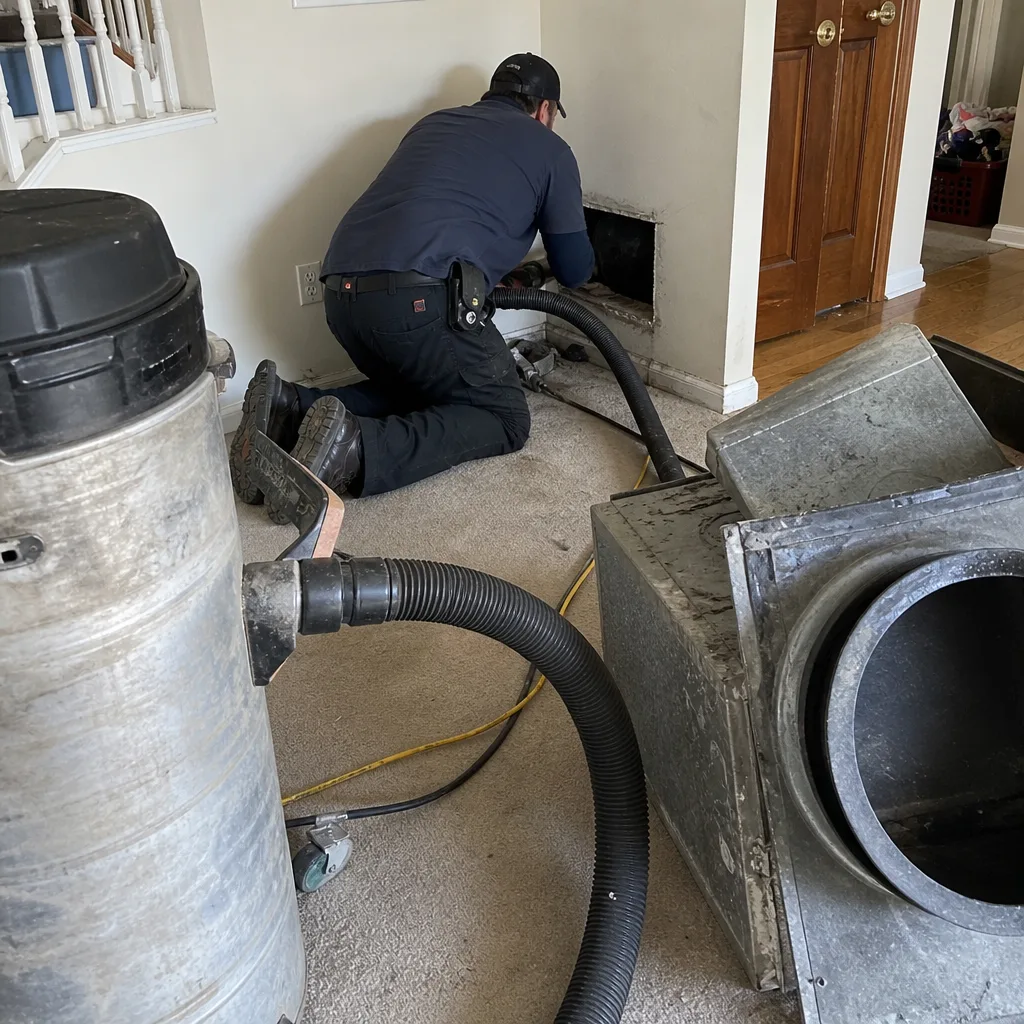 Before
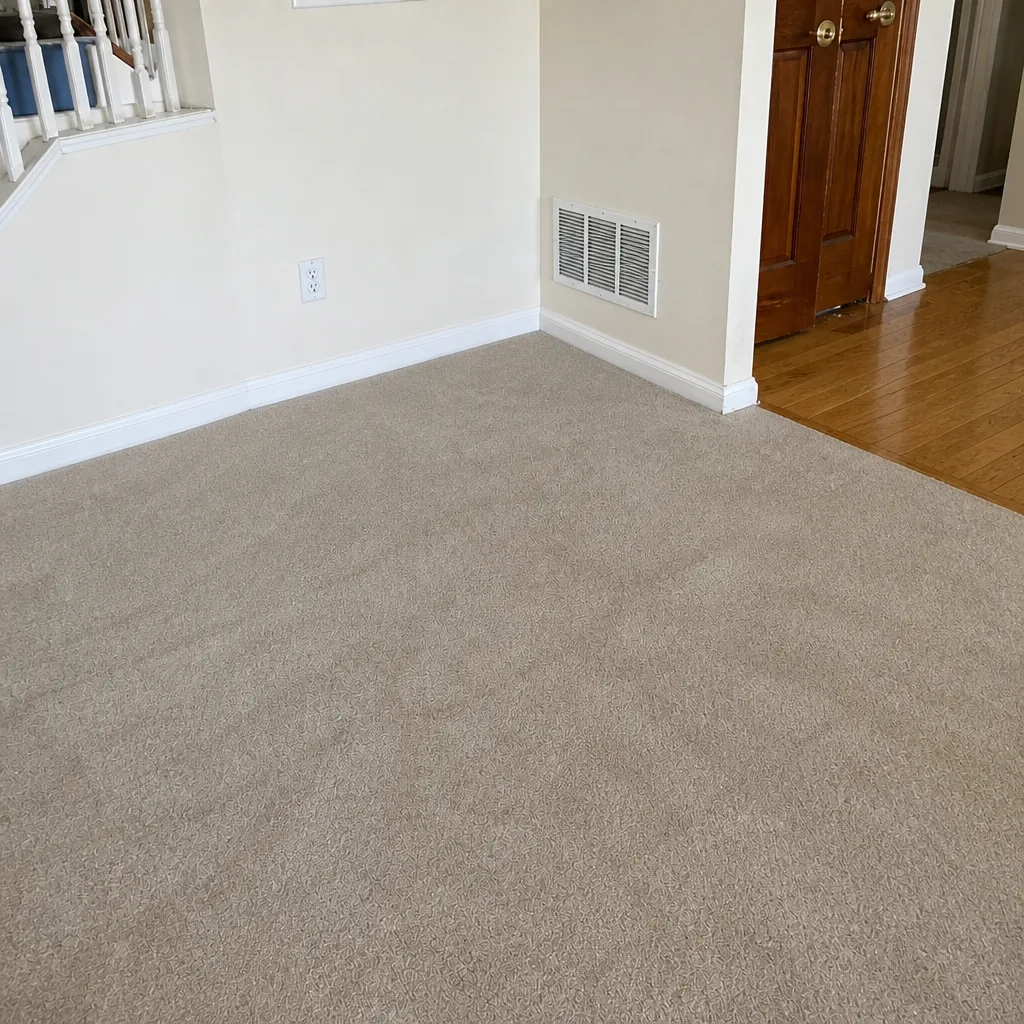 After
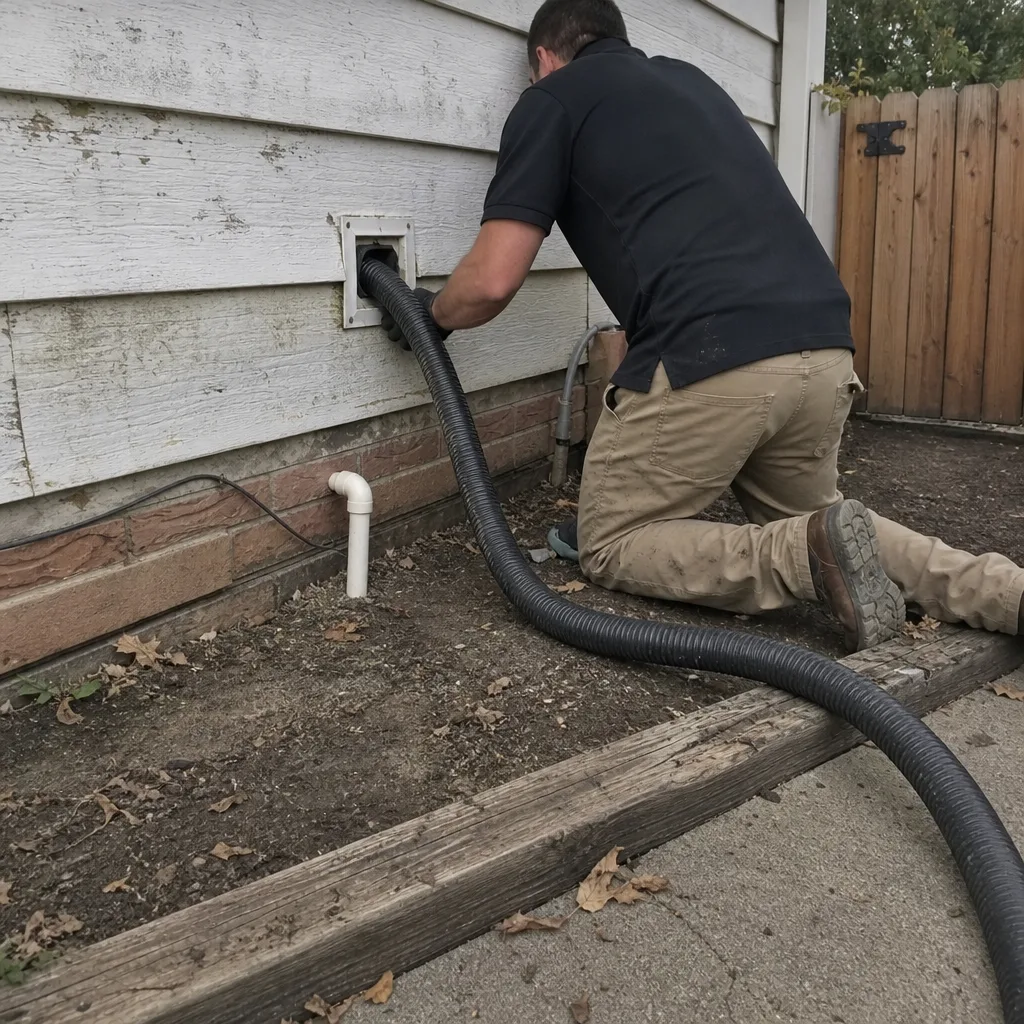 Before
 After
 Before
 After