
Last updated November 14, 2026
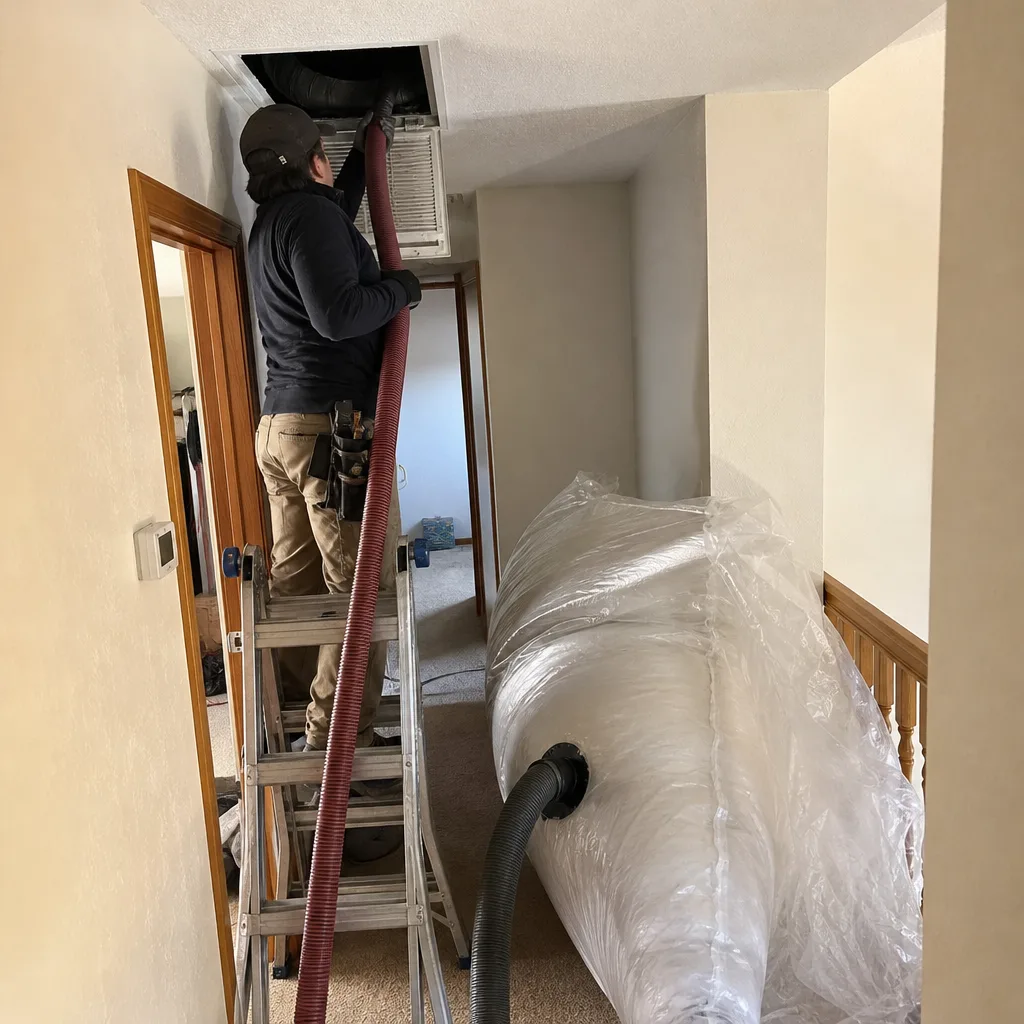
 Whole-home duct cleaning
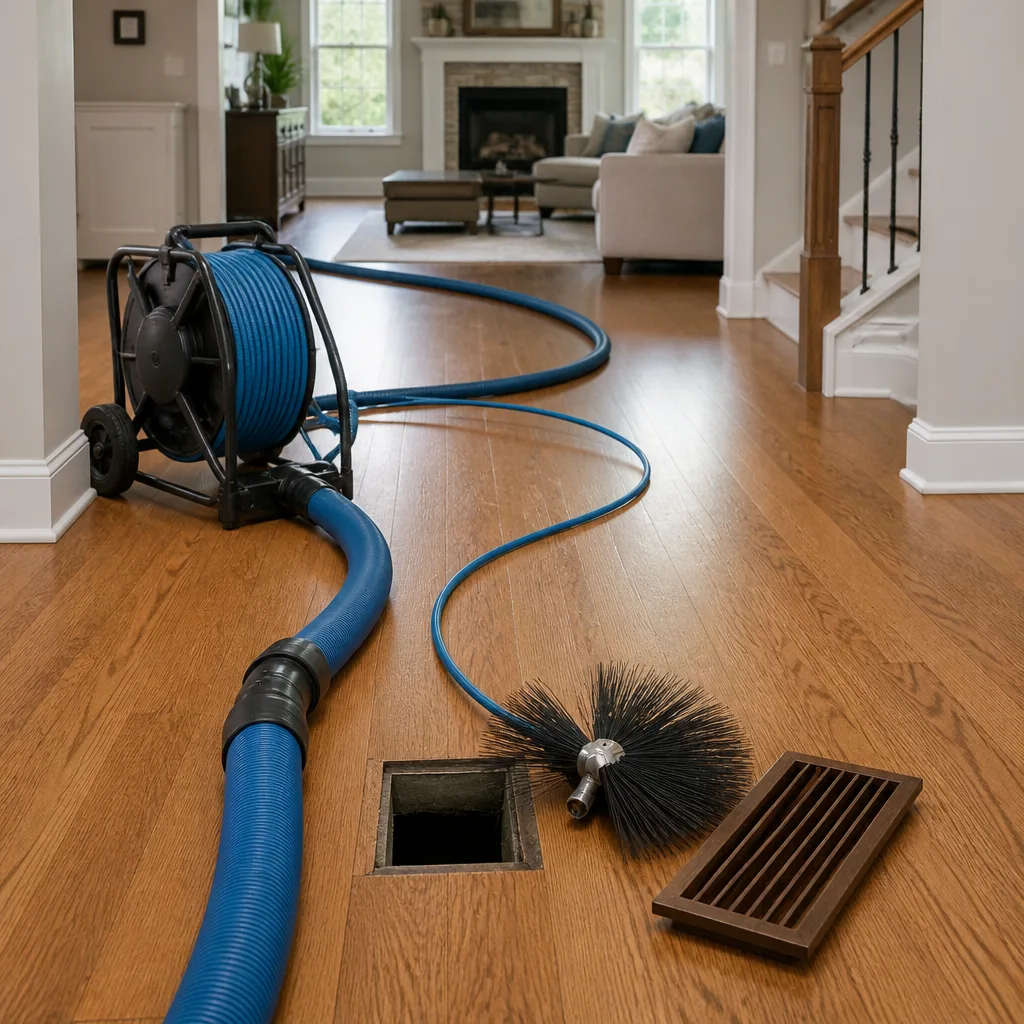
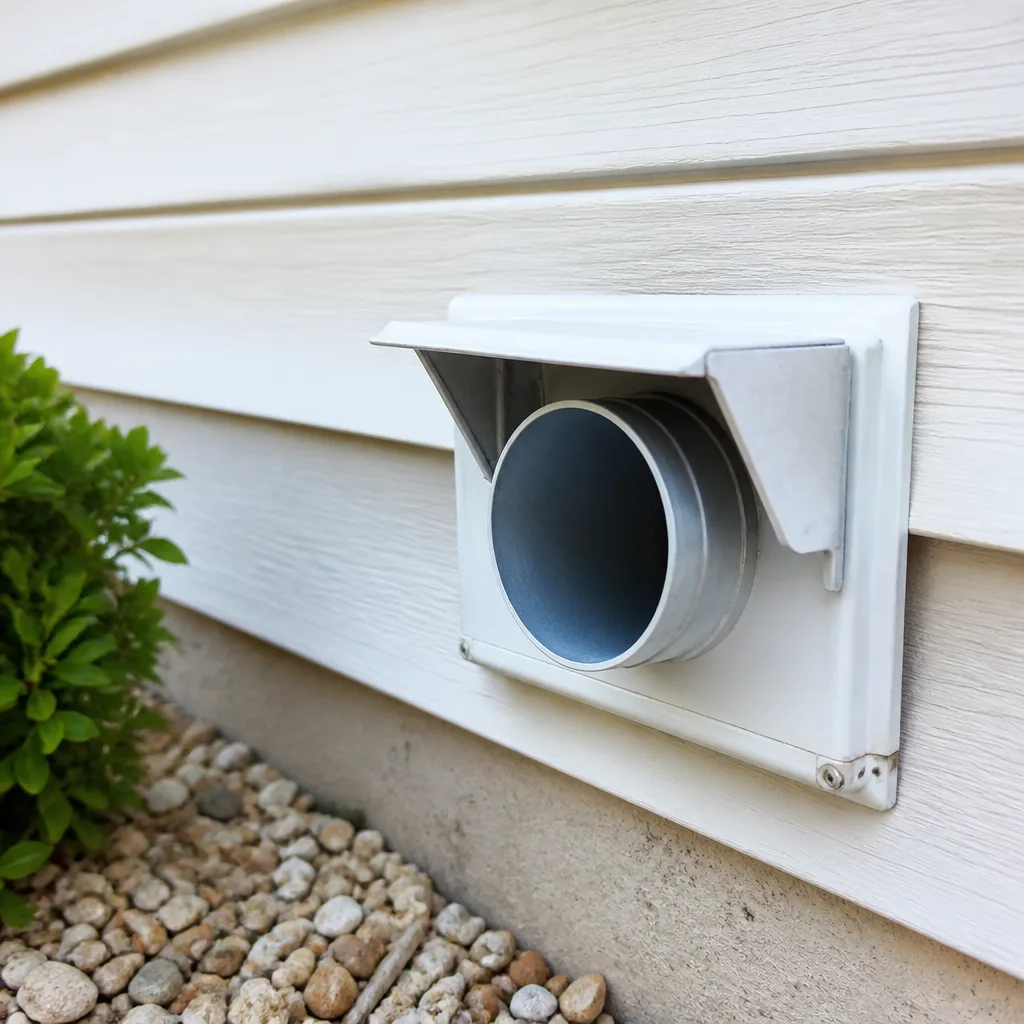 Dryer vent cleaning
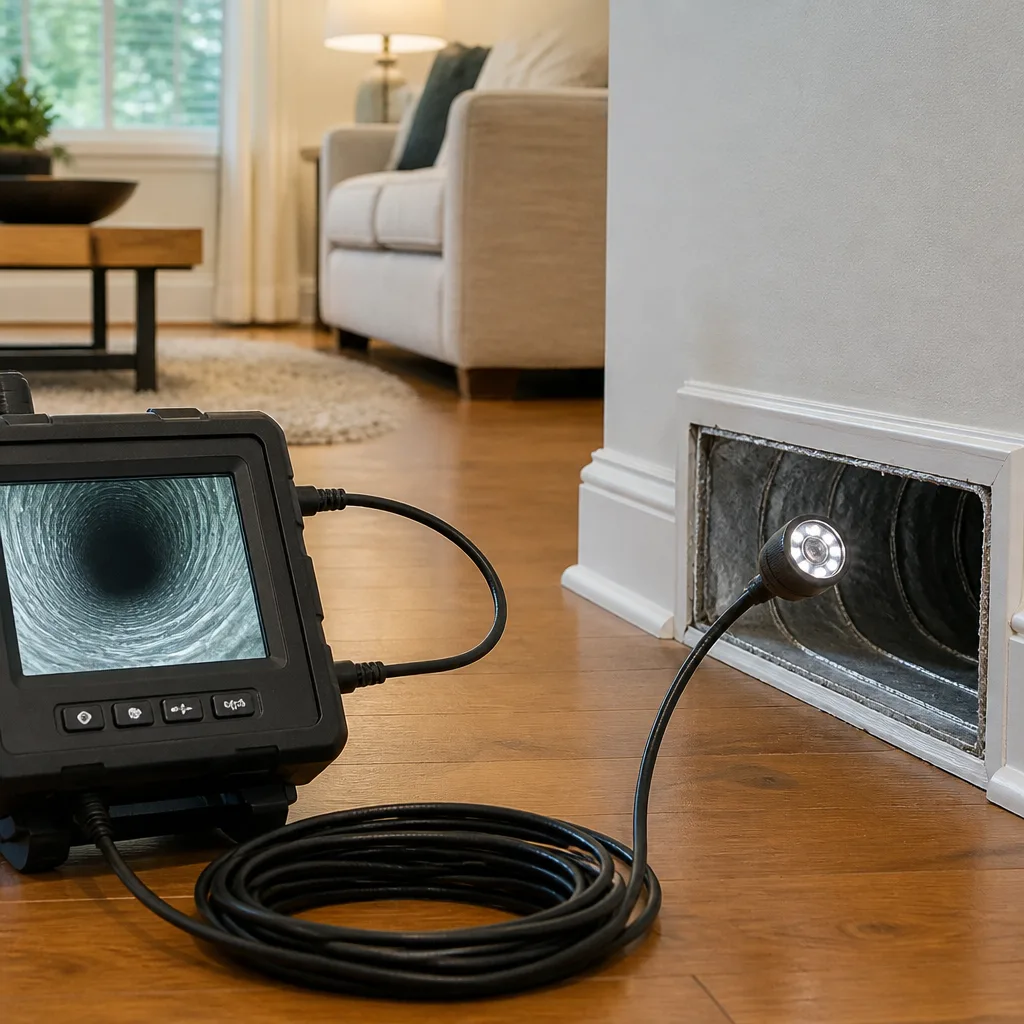 Camera inspection
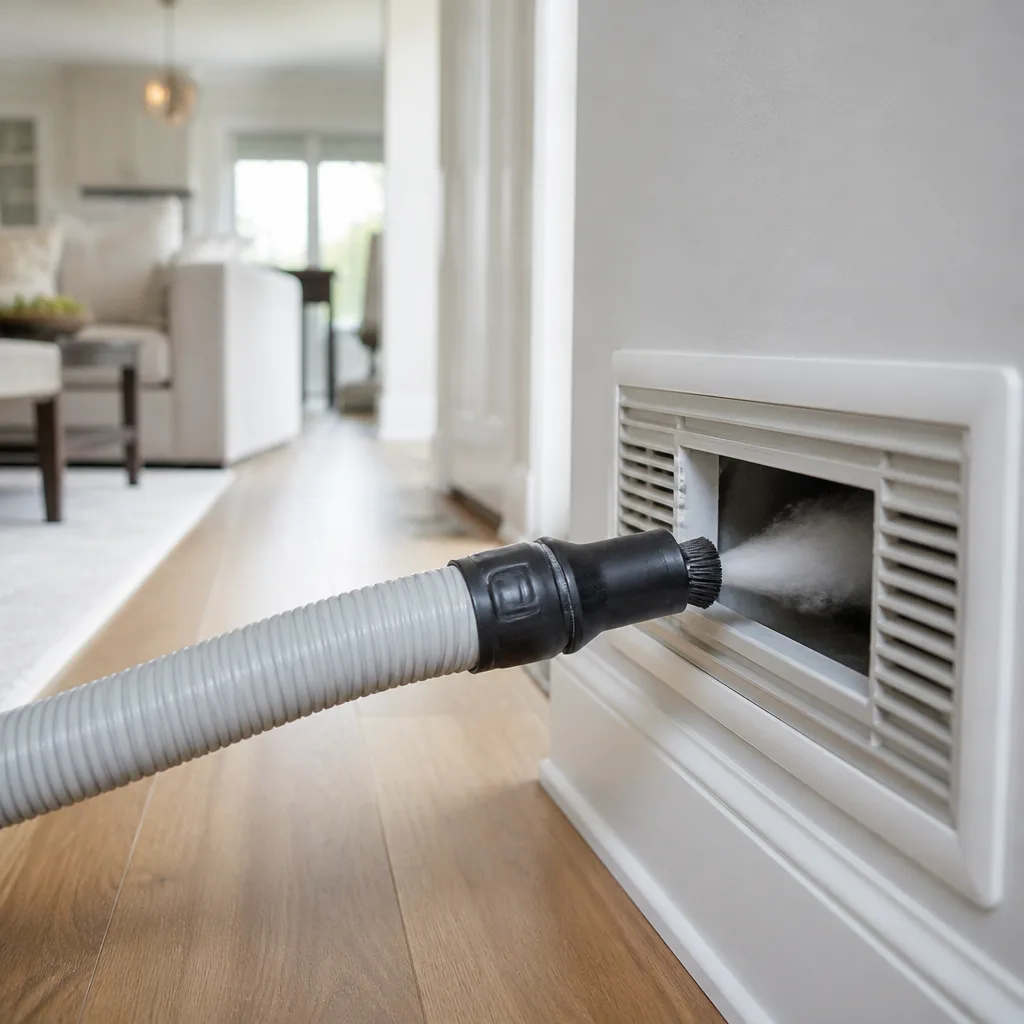 Sanitizing & deodorizing
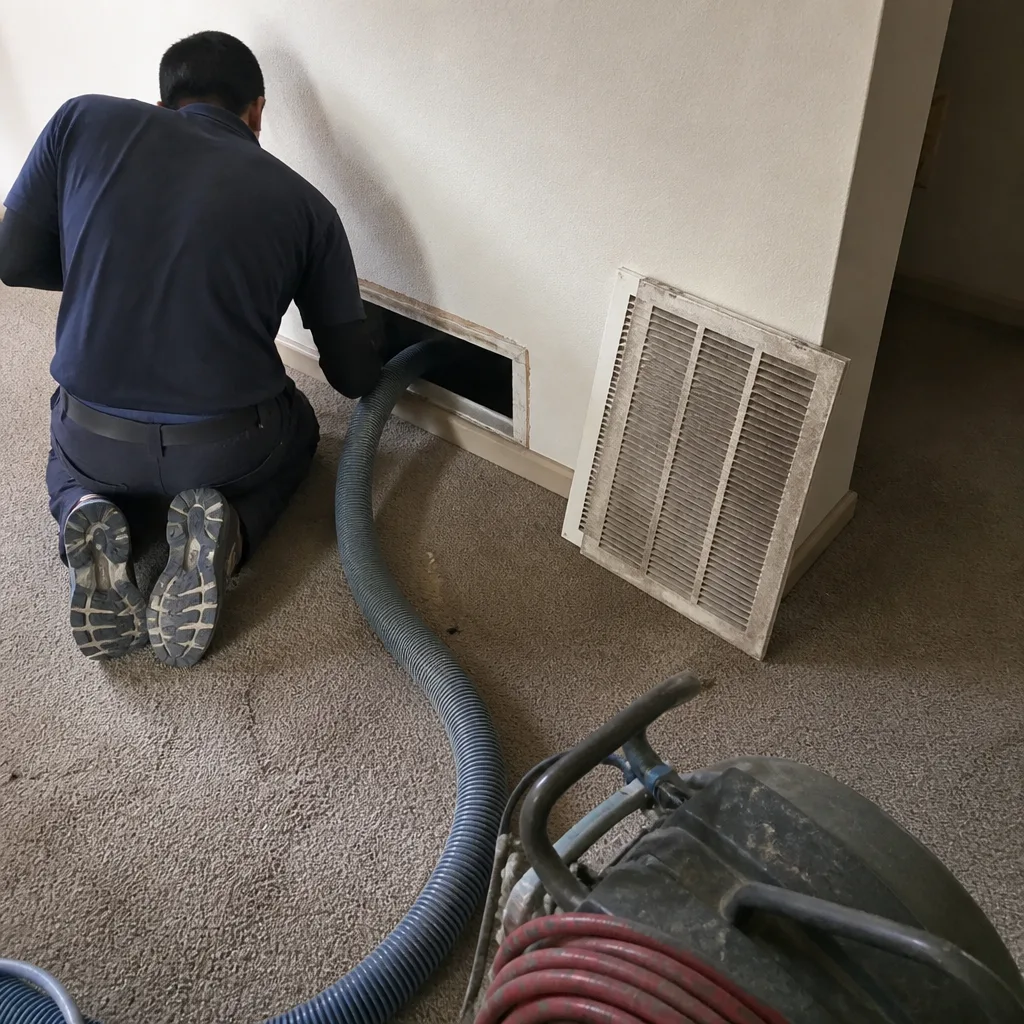
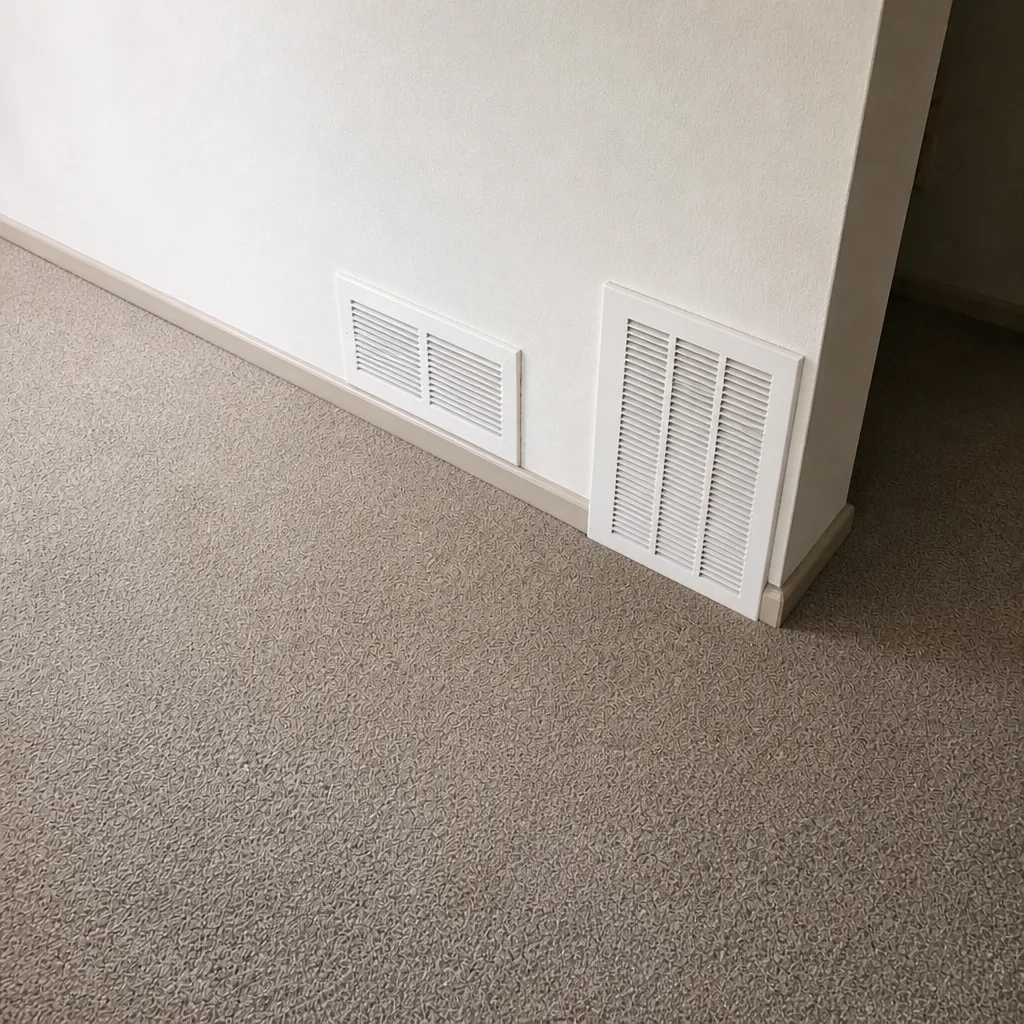
Whole-system duct and dryer vent check with before-and-after photos - you see exactly what came out of your vents
That "$99 whole-house special" is a bait ad - the real number appears once they are in your hallway, or the "clean" is a shop-vac at the register. We photograph the inside of your ducts before and after instead.
Air Duct Cleaning Maintenance Checklist for Arvada Homeowners
The usual advice says clean your ducts every three to five years, and that number travels well. It just doesn’t describe most houses here. That interval assumes ductwork with no leaks, a filter swapped on schedule, and a home that hasn’t been torn apart and put back together recently. In Arvada, most houses check at least one of those exception boxes. Homes near Olde Town Arvada sit on some of the oldest ductwork in the metro. Newer builds out toward Candelas and Leyden Rock tend toward tight construction and flex duct runs that bend hard at every joist. Add wildfire smoke season, spring wind that pushes Front Range grit through every gap it finds, and the occasional kitchen remodel, and the calendar stops being a reliable ruler. What follows is the inspection logic our technicians use, translated into things you can see, smell, and test yourself between professional visits: the air duct cleaning maintenance checklist Arvada homeowners can actually run.
Quick Answer
Check your ducts monthly by testing airflow at every register and watching your filter, then schedule professional cleaning every three to five years, or sooner if your home fails any of the screening tests below. In Arvada, the two biggest triggers for moving that date up are wildfire smoke season and any significant renovation, which calls for a cleaning within 60 days of the work finishing. Repair comes before cleaning whenever you find a disconnected run, crushed flex duct, or a register blowing weak air.
Styles & brands we work with
- Whole-home duct cleaning
- Dryer vent cleaning
- Camera inspection
- Sanitizing & deodorizing
Table of Contents
- The monthly five-minute check
- The room-by-room airflow test with a dollar bill
- Filter intervals for Arvada’s smoke and dust seasons
- Reading your register covers: stains, debris, and odor
- The post-renovation checklist
- How to log observations so a technician can use them
- What actually justifies professional cleaning
- Spotting duct damage before it becomes a repair bill
The Monthly Five-Minute Check
Most duct problems announce themselves long before they fail. The trick is looking at the right places on a regular rhythm instead of waiting for a repair bill or a cold room to get your attention. Set a recurring reminder once a month and run through the same short list. It takes about five minutes and it builds the kind of baseline that makes change visible.
- Look at the filter. Pull it, hold it up to a window, and note whether light still passes through. A filter that looks gray and matte is loading up faster than it should, which often points to a leak pulling air from a crawlspace or attic.
- Hold your hand over each supply register. You’re feeling for temperature and force, not perfection. What matters is whether a register feels noticeably weaker than it did last month.
- Check the return grille. A dust film that rebuilds within weeks is a sign debris is circulating rather than settling.
- Smell the air when the system first kicks on. A musty or dusty puff at startup is the single most common early signal of microbial growth or a debris layer inside the duct.
- Look at the floor under each register. A fine ring of dust that keeps returning after you clean it is debris being pushed out of the boot, not just house dust settling.
If one item on that list changes and the rest stay steady, you’ve caught an early failure. If several change at once, the system is telling you something bigger. In our experience across Arvada homes, a sudden combination of weak airflow, musty odor, and a fast-loading filter usually traces back to a single disconnected or crushed duct run rather than a whole-system problem. Early detection is exactly what the Duct Cleaning Arvada approach is built around. Better air starts with what you can’t see, but the symptoms are almost always visible.
The Room-by-Room Airflow Test With a Dollar Bill
You can measure whether each duct run is pulling its weight with nothing more than a dollar bill or a piece of tissue. This is the same question a technician starts with on an assessment: is the air reaching the room it’s supposed to reach, and at roughly the force the system was designed to deliver?
- Pick a calm day with windows closed and the system running normally.
- Tape or hold a dollar bill against the face of each supply register. The bill should flutter and stay pulled toward the grille. A tissue works the same way on smaller registers.
- Note a simple rating for each room: strong flutter, mild flutter, or barely moves. Don’t overthink it. You’re looking for outliers, not precise numbers.
- Repeat in every conditioned room and write the ratings down next to the room name.
- Compare the results. Two or three rooms that all underperform on the same side of the house is a story about a shared duct trunk, not about those individual rooms.
| Pattern you find | What it usually indicates |
|---|---|
| One room weak, all others strong | Blocked or disconnected branch run, or a closed damper you forgot about |
| Whole side of the house weak | Crushed or leaking trunk line, or a failing blower pushing less air than it should |
| Downstairs strong, upstairs weak | Common in two-story Arvada homes with long flex runs and restrictive bends |
| Every register mild | Loaded filter or blower issue, rarely a duct problem by itself |
| Strong but dusty air everywhere | Debris layer inside the system being blown through the supply side |
What makes this test worth repeating is that it’s cheap and it’s local. Arvada homes spread across very different duct layouts, from the older, smaller systems in the neighborhoods around Olde Town to the larger, more complex runs in the newer builds west toward Leyden Rock. If your house has a bonus room over the garage or a long run closing in on a finished basement, those registers are the ones to watch closely. Same result, same room, every month is normal. A result that drifts downward over a few months is worth a call.
Filter Intervals for Arvada’s Smoke and Dust Seasons
The filter interval on the package is a starting point, not a promise. Arvada gives you two seasons that shorten it, and both are predictable once you know to plan for them.
The first is wildfire smoke season, which in recent years has stretched well into the warmer months along the Front Range. When smoke settles over the metro, your filter is catching fine particulate the whole time, and a filter that would normally last three months can load up much faster. During a heavy smoke stretch, check the filter monthly and replace it as soon as it looks matte rather than leaning on a calendar date.
The second is high-wind dust, which the Front Range delivers in spring and again in fall. Wind events push fine grit through every gap in a home’s exterior envelope, and the filter ends up removing it. If your house sits on an open lot with fewer windbreaks, expect to swap the filter more often than a sheltered property needs.
A few general rules worth keeping in mind:
- Check monthly, replace on appearance rather than on the printed interval alone, especially during smoke season.
- Don’t jump to the highest filtration rating without checking. Many residential systems weren’t designed for the thickest filters, and an overly restrictive filter can reduce airflow enough to weaken the whole system. If you want to move to a higher-performing filter, ask whether your blower can handle it.
- Keep a spare on hand. A filter sitting on the shelf gets changed on time; one you have to order does not.
- Match the filter to the season. A heavier media filter helps most during smoke and dust events, then you can step back to what your system handles best the rest of the year.
If your house is pulling through the same filter far faster than it should, that’s more than a filter story. A fast-loading filter points to a duct leak pulling unfiltered air, which is exactly the kind of problem an assessment should catch. A professional can also recommend whether your system would benefit from upgraded filtration from a name like air duct cleaning partners we work with, including Honeywell and Aprilaire, but only after confirming the system can move enough air to support it.
Reading Your Register Covers: Stains, Debris, and Odor
Register covers are where duct problems show themselves first, and they’re readable if you know what you’re looking at. Take a bright light and look closely at a few supply and return grilles around your Arvada home. Your goal is to note the pattern, not to clean it off and forget.
Staining patterns. A faint even gray film is normal house dust. Dark streaks radiating from the edges of a grille point to a leak behind the cover pulling dirty air through a gap. Rust-colored or brownish rings suggest moisture, and moisture inside a duct is always a signal to investigate, not a cosmetic issue.
Debris type. Fine pale dust and lint are normal. Coarse construction grit, plaster dust, or drywall crumbs that appear in a register after a remodel are a strong sign the ducts swallowed material during the work. Clumps of fibrous material can be a failing duct liner, which one of our Rotobrush or Nikro cleaning systems is built to extract but which also often means repair rather than cleaning is the right first step.
Odor profile. A musty or dirty-sock smell when the system starts is the most telling single signal. Pet odor that keeps returning in a particular room often points to the branch run serving that room rather than the whole house. A slight burned or electrical smell is not a duct issue, and it should get you on the phone with an HVAC technician rather than a duct cleaner.
Our technicians do this same read at the start of every job, using Abatement Technologies containment and filtration equipment so that once we open the system up, what’s inside stays contained and gets extracted instead of drifting through your home. The brand names on the box matter less than the question you’re asking with the register check: is the debris I see a normal dust layer, or the signature of a specific problem? The right equipment for what’s actually in your ducts is what makes the difference once you find out.
The Post-Renovation Checklist
A significant remodel is the most reliable trigger for a professionally clean system, and the reason is straightforward. Construction dust is not ordinary house dust. Drywall sanding produces fine powder with a completely different particle makeup than the dust your filter handles day to day, and it settles into duct liners and hard-to-reach runs where a filter can’t help. Once it settles, running your system pushes it back into the living space for months. Our general recommendation for Arvada homeowners is to schedule a cleaning within 60 days of finishing any significant remodel, before the new construction dust has had a full heating and cooling season to get into the furniture and the air you breathe.
- Before work starts, ask your contractor how they plan to keep dust out of the returns. A return grille with no isolation is a duct system open to the worksite for weeks.
- Cover the returns during sanding and demolition. Simple tape-and-plastic isolation handles most of it.
- Replace the filter as soon as the job wraps, not on the next scheduled date. The filter you install after the work will still load up within weeks, so watch it closely.
- Schedule a professional cleaning within 60 days. If you had drywall, insulation, or major framing work, don’t wait.
- Consider whether your filtration should change too. Homes that added a finished basement, added square footage, or just added more vents have changed the load on the system, and filtration partners like Aprilaire or Honeywell can help you pick equipment matched to it.
Renovation is also a common trigger for duct repair, because in older Arvada homes adding or moving a return often means a joint gets stressed or a run gets rerouted badly. If a register that was strong before the remodel is now the one that barely flutters a dollar bill, don’t assume it’s the cleaning. It may be the new run. Repair is a core service here, not a referral, which means the same visit that cleans the ducts can fix what’s wrong inside the system.
How to Log Observations So a Technician Can Use Them
Notes are only useful if a technician can read them. The good news is that a simple logbook does most of the work, because duct symptoms are patterns, not snapshots. A photo of your filter on one date tells a technician almost nothing. A year’s worth of filter photos tells them exactly how fast your system is loading up.
Keep a small note on your phone or a sheet taped inside the furnace closet door and record the same few things each month:
- Date of the check.
- Filter appearance, either a short note (“light gray, still letting light through”) or a photo of the filter against a light source.
- Room-by-room airflow ratings using your simple strong / mild / barely scale.
- Any odor with the room it appeared in.
- Any visible change at a register, including new stains or debris.
- Weather context, meaning a quick note if the month was a heavy smoke month, a heavy wind month, or mild.
When you eventually call, that log lets a technician correlate symptoms to specific duct sections before they arrive. If your log shows the upstairs rooms slowly weakening while the smoke season peaked, we know where to focus from the first minute. A technician with 12 years of experience reading that log makes a faster diagnosis than one starting cold, and the whole visit is more focused as a result. The photo log also solves a subtler problem: it gives both you and the technician a baseline to compare a clean system’s before-and-after photos against later on.
What Actually Justifies Professional Cleaning
Not every dirty-looking register means you need a cleaning, and not every clean filter means you don’t. The industry standard is every three to five years, and that’s a fair default for a well-maintained home in Arvada with no leaks, a disciplined filter habit, and no recent remodel. The checklist below is what moves a home off that default.
- Visible debris inside the supply runs, seen with a flashlight past the register boot.
- Persistent dust that returns within days of cleaning surfaces.
- A consistent odor at system startup that doesn’t clear after a filter change.
- An uneven airflow pattern that has steadily worsened across several months.
- Any significant renovation in the past year, especially drywall or insulation work.
- Heavy wildfire smoke exposure over one or more full seasons.
- A new-to-you home with no record of the ducts ever being cleaned.
When cleaning is warranted, the honest cost question is whole-system, not per-vent. A legitimate quote prices the entire system, and the number is agreed in writing before any work begins. That structure exists to protect you from the industry’s worst reputation risk: the low advertised figure that becomes a much larger invoice once the technician is in the home. Ask what a whole-system cleaning covers, whether repair is included in the diagnosis, and whether you’ll see before-and-after photos of your own ducts, not stock images.
If you’re in Arvada and unsure where your home falls on that spectrum, the safest move is a free estimate rather than a guess. Our approach is to see what’s inside the system first: the right decision about cleaning versus repair flows from that inspection. Call (833) 370-4086. We answer 24/7. Fast dispatch from 7am to 7pm, Sunday through Friday.
Spotting Duct Damage Before It Becomes a Repair Bill
Duct damage is quiet until it isn’t. By the time a homeowner notices, a disconnected run or crushed flex segment has often been leaking conditioned air for a season or more, and the repair is bigger than it would have been if caught as a symptom. The good news is that the same monthly checklist surfaces most of the early warning signs.
- An airflow result that drifts downward in one room over several months, with no change elsewhere, is the single strongest early signal of a duct problem in that branch.
- Visible moisture or staining around a register is not a duct cleaning issue; it’s a duct repair or HVAC issue and should be looked at promptly.
- Liner material coming loose inside a run may show as fibrous debris at a register or as a flutter you hear when the system runs. It should never be a “wait and see” item.
- Rattling or whistling at a specific register points to a joint or a segment that’s loose. Note which register and when.
- A duct run that a renovation touched deserves a check within a month of the work wrapping, not later.
The reason this matters in Arvada is the housing mix. Homes built in waves across the last several decades see very different failure modes: older galvanized ductwork develops loose joints and gaps at the seams, while newer flex duct collapses or bends at hard corners behind the drywall. A cleaning-only competitor can make the ducts clean and leave the actual damage untouched. That’s why air duct repair is a core service here, not a handoff, so the same visit that cleans the system can fix what’s actually wrong inside it. If you need the full service, we do dryer vent cleaning as well, since a clogged vent is a documented leading cause of house fires and belongs on any whole-home maintenance routine.
Common Mistakes to Avoid
- Waiting for a failure before scheduling. Duct problems rarely announce themselves loudly until a room is too cold or an odor won’t clear. The monthly checklist costs five minutes and catches most issues while they’re still cheap to fix.
- Assuming the three-to-five-year interval is a fixed rule. It assumes a leak-free system, a well-kept filter, and no recent renovation. In Arvada, the smoke season and the occasional remodel mean most homes legitimately shorten that interval.
- Replacing the filter on schedule instead of by appearance. A filter that looks loaded should be changed no matter what the package says, especially after a heavy Front Range smoke stretch.
- Choosing a per-vent quote instead of a whole-system quote. Per-vent pricing is how the low advertised figure turns into a far larger invoice once the technician is on site. Ask for one flat price for the system, agreed in writing before the work starts.
- Hiring a cleaning-only company when the problem is a damaged run. A crushed flex duct or a loose joint won’t be fixed by cleaning alone. Ask up front whether the company can diagnose and repair damage, not just clean.
- Skipping the post-renovation cleaning. Construction dust that settles into duct liners before the first cleaning is the hardest kind to remove. Schedule within 60 days rather than waiting on the next regular cycle.
- Taking “it’s clean” without before-and-after photos. Ask for photos of your own system, not stock images. That’s the honest way to know the work happened.
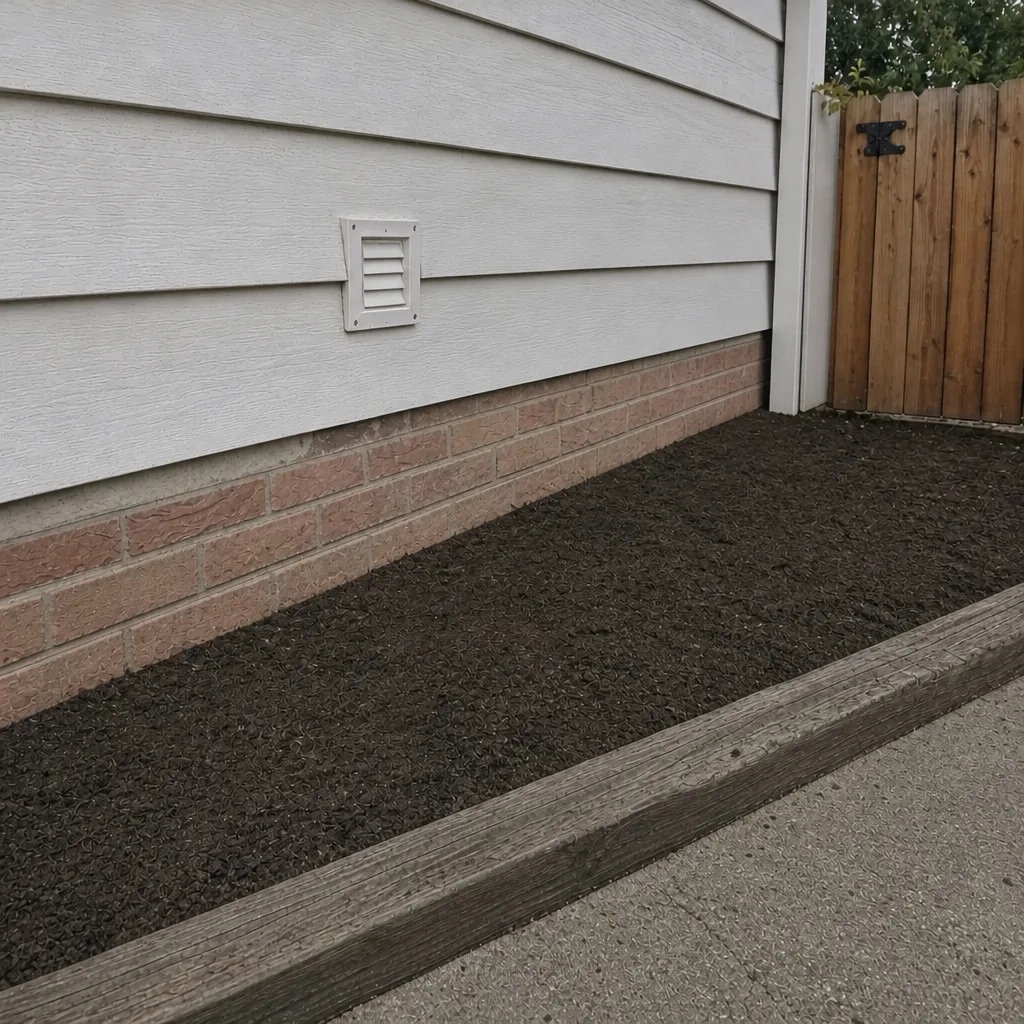
See the difference
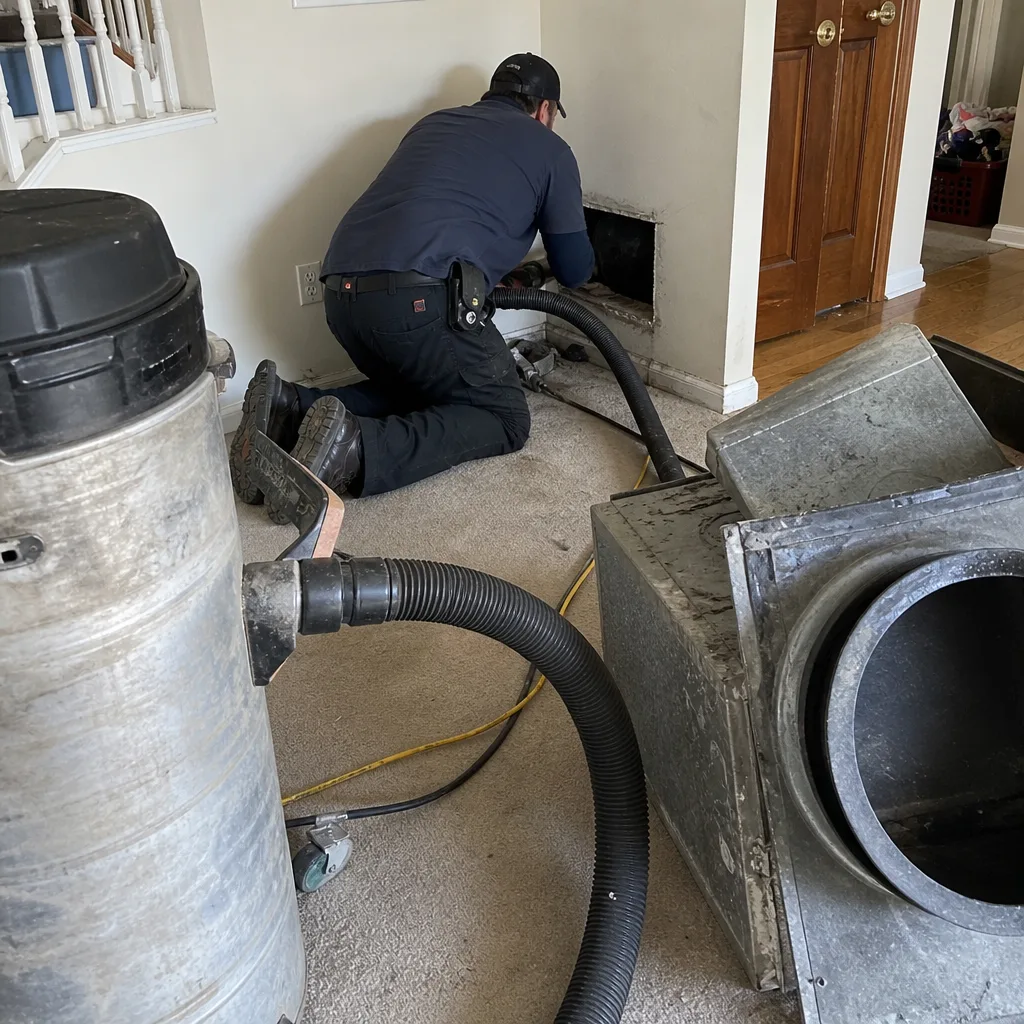 Before
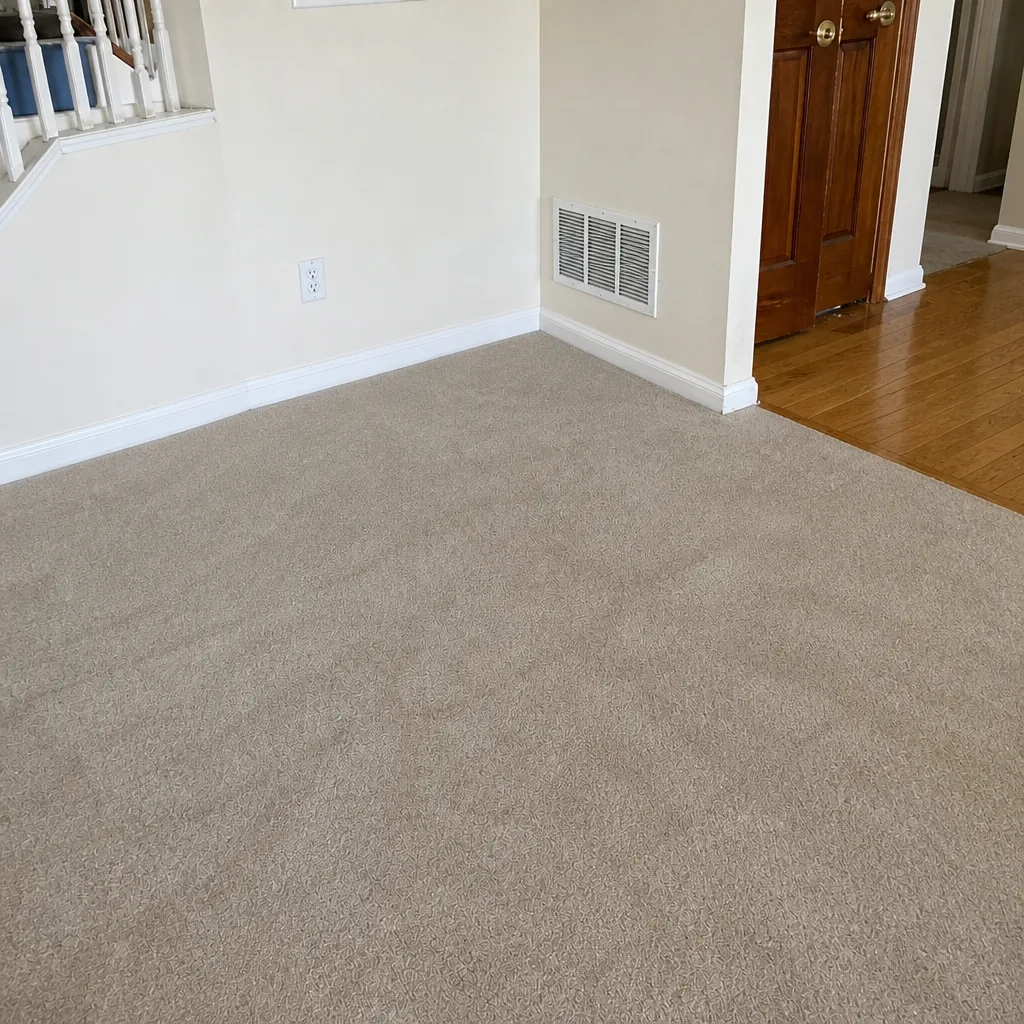 After
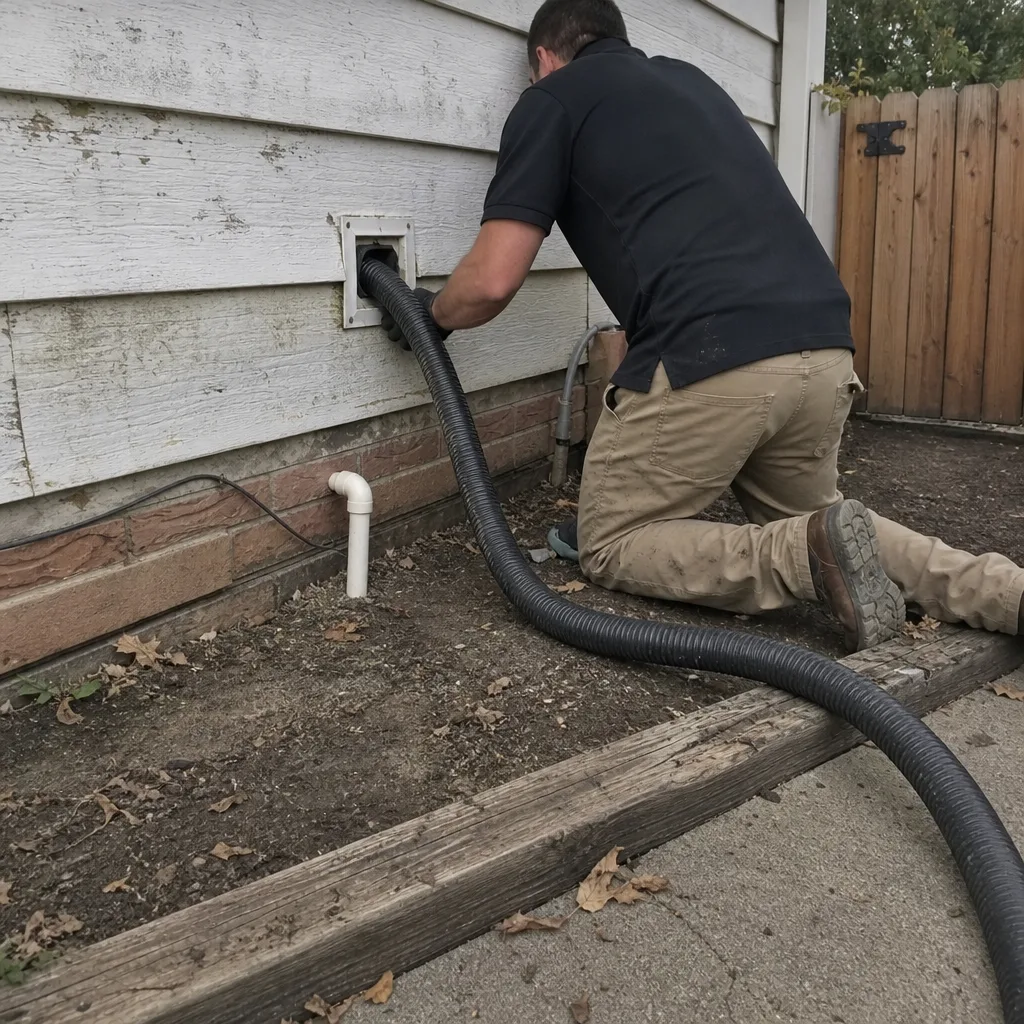 Before
 After
 Before
 After
When to Call a Professional
Call a duct professional if your monthly airflow check shows a room weakening steadily over several visits, if you find visible debris or staining at a register, if a persistent odor won’t clear after a filter change, or if you’ve finished a significant renovation and haven’t yet cleaned the system. You should also call if the whole house feels like it’s moving less air than it should, or if you’re in a new-to-you home and can’t tell when the ducts were last cleaned. Our technicians have up to 12 years of experience diagnosing these conditions, and we use restoration-grade Rotobrush, Nikro, and Abatement Technologies equipment to clean and, where needed, repair the system in a single visit. Duct Cleaning Arvada offers free estimates in Arvada. Call (833) 370-4086. We answer 24/7. Fast dispatch from 7am to 7pm, Sunday through Friday.
Frequently Asked Questions
Every three to five years is the general default, but homes in Arvada should shorten that interval if they’ve had a significant remodel, if they’ve been through multiple heavy wildfire smoke seasons, or if the monthly checklist shows persistent dust or odor. Repair takes priority over cleaning whenever you find a disconnected or damaged run.
Yes. A duct system isn’t airtight, and fine smoke particulate drifts into the ducts through every small gap, joint, and return. In Arvada, months of smoke exposure mean your filter loads faster than the packaged interval suggests, and your ducts can accumulate fine particulate that a filter can’t fully catch. Check your filter more often during a smoke season and consider a cleaning if the season was heavy.
Ask for before-and-after photos of your own ducts, taken at the system, not stock images. A legitimate cleaning uses professional containment and filtration equipment so debris is extracted, not just loosened and left behind. Our technicians use Abatement Technologies equipment on every job and take before-and-after photos as standard, so you can see exactly what came out of the system.
A very low quote is often a per-vent figure or a teaser price that grows once the technician is on site. A fair quote prices the whole system and agrees the number in writing before any work begins. Ask for one flat price per system and confirm what it covers, including whether the company can diagnose and repair duct damage rather than just cleaning.
Often, yes. Air duct repair is a core service, not a referral, so the technician who inspects the system can repair a disconnected run, a crushed flex segment, or a leak at the same visit as the cleaning. If the damage is major, we’ll tell you before you commit to the work, and the price is set per job by the written estimate.
Yes, if the remodel involved drywall, insulation, or significant framing. Construction dust settles into duct liners where a filter can’t help, and running the system pushes it back into your living space. We recommend scheduling a professional cleaning within 60 days of finishing the work.
The Bottom Line
The right maintenance rhythm for an Arvada duct system isn’t a calendar number. It’s a small set of observations you repeat monthly until they tell you something: airflow at every register, the appearance of your filter, the pattern of debris and odor at each cover, and a written record of how each one changes. That log does two things at once. It catches damage early while it’s cheap to fix, and it lets a technician walk into your home with a real starting point rather than a blank page. The three-to-five-year interval is a decent default. Your own observations are a better one. And if you want to know what’s actually inside your system, the free estimate starts there. Call (833) 370-4086. We answer 24/7. Fast dispatch from 7am to 7pm, Sunday through Friday.
Ready to look inside your system? Duct Cleaning Arvada provides Arvada homeowners with a free estimate on air duct cleaning, dryer vent cleaning, and air duct repair. We clean it. We fix it. Call (833) 370-4086 to schedule, or reach out to compare before-and-after photos from jobs we’ve completed, not stock images. Our technicians have up to 12 years of experience, and the price is set per job by the written estimate, agreed before any work starts.
Written by the team at Duct Cleaning Arvada.