
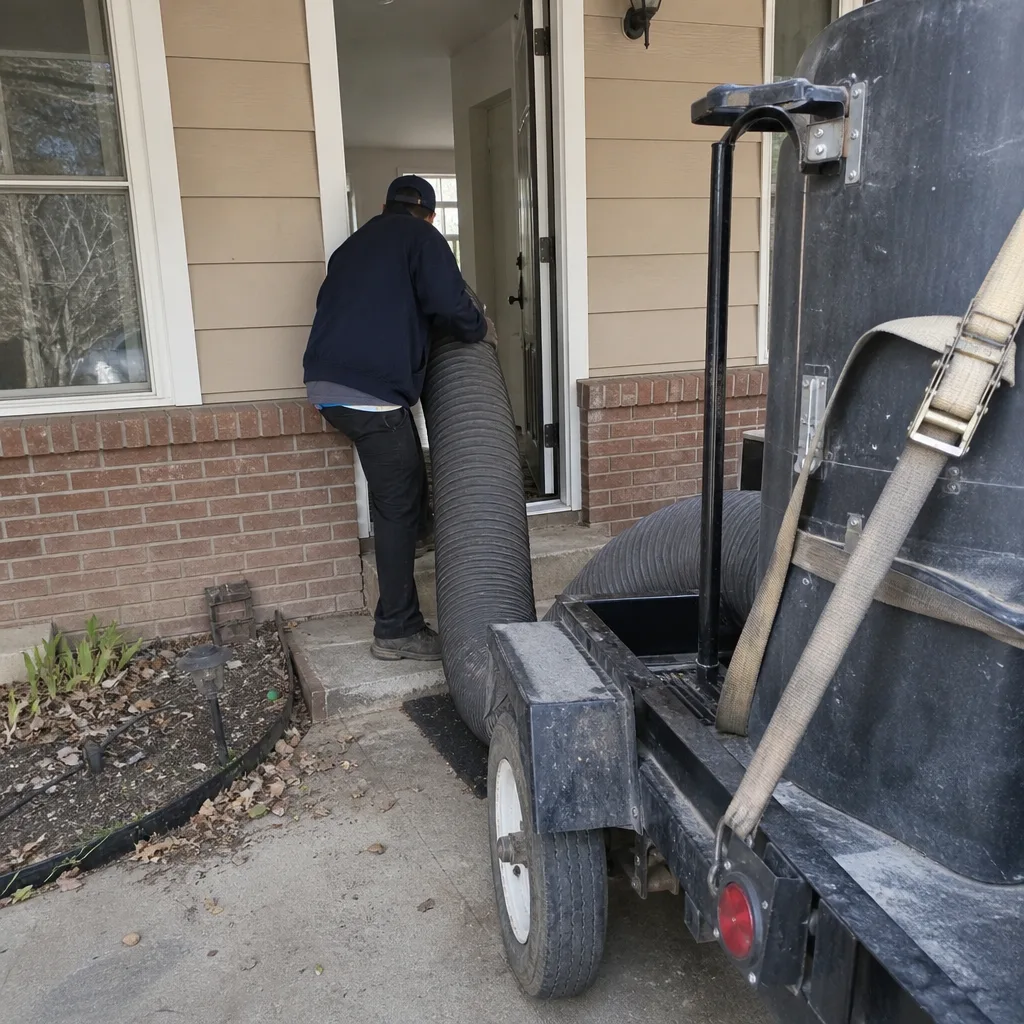
Last updated November 14, 2026
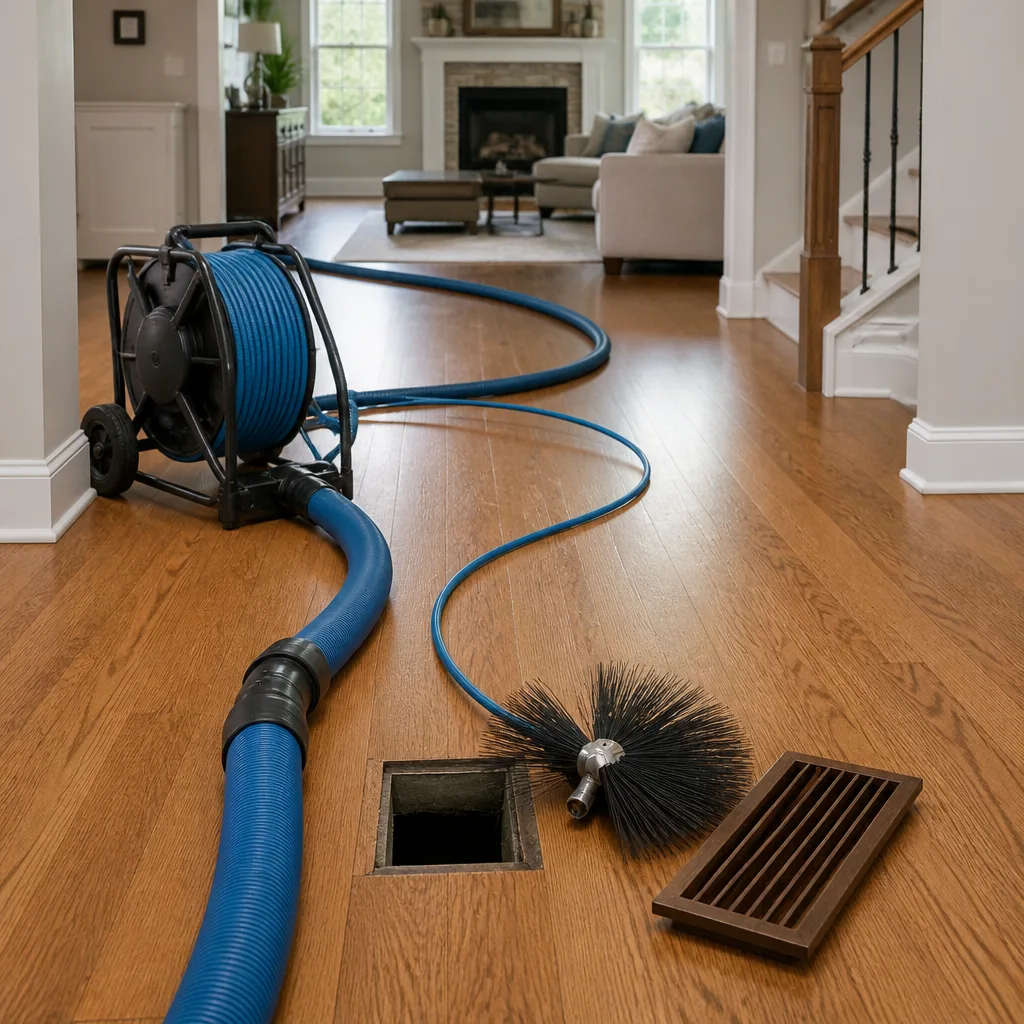 Whole-home duct cleaning
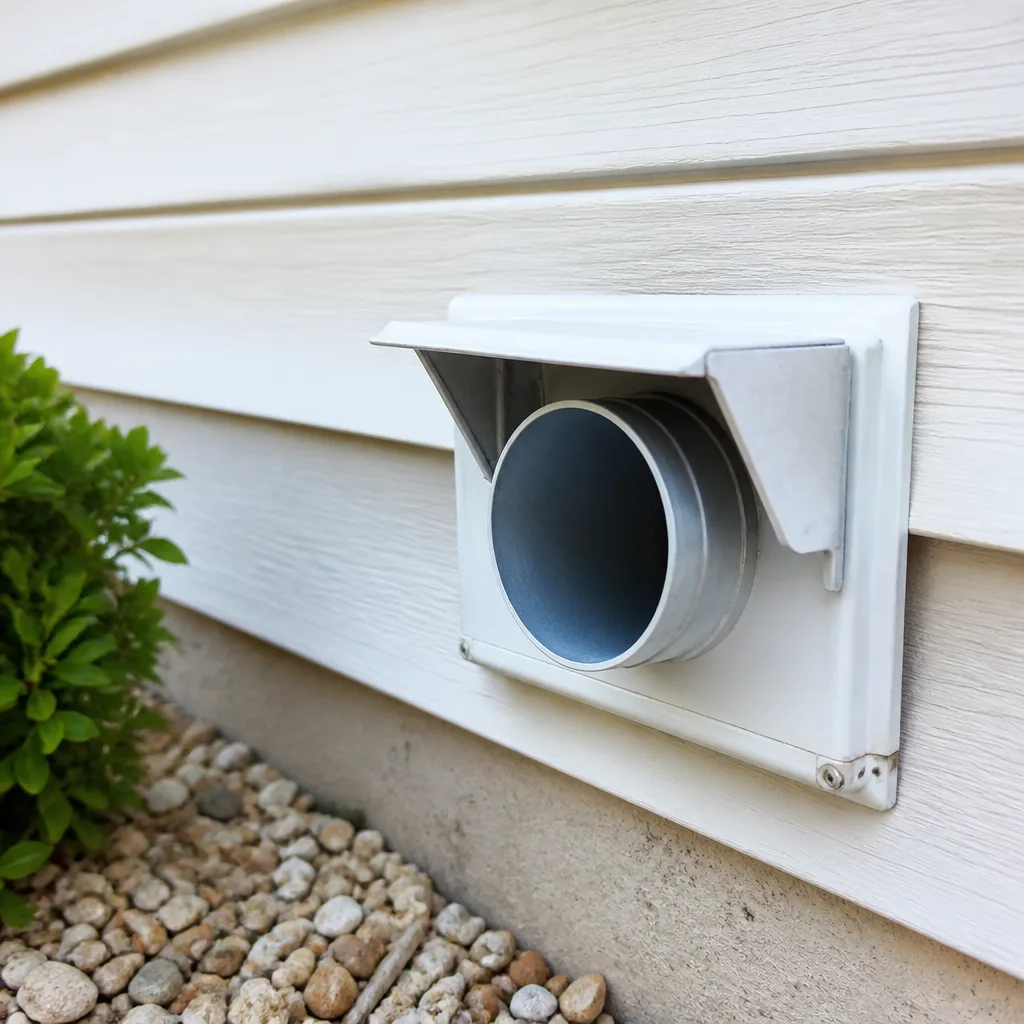 Dryer vent cleaning
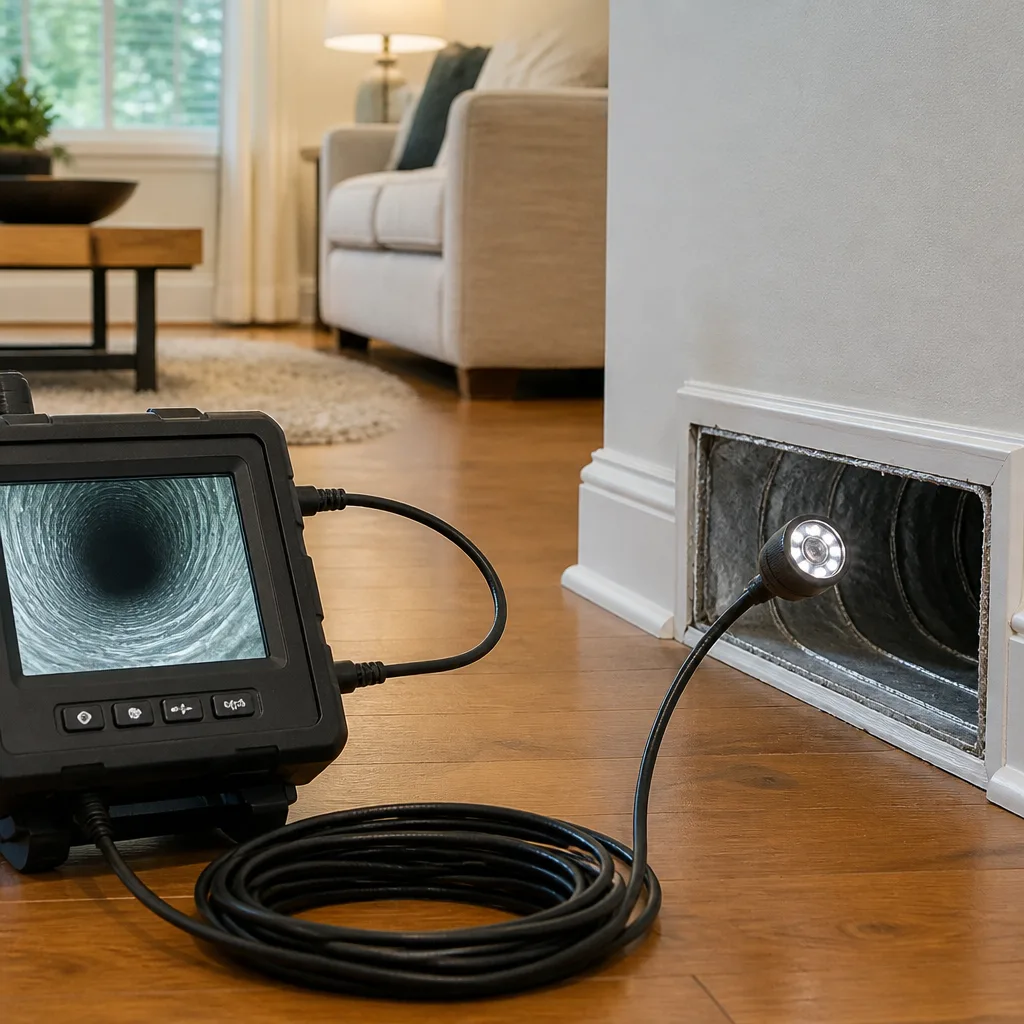 Camera inspection
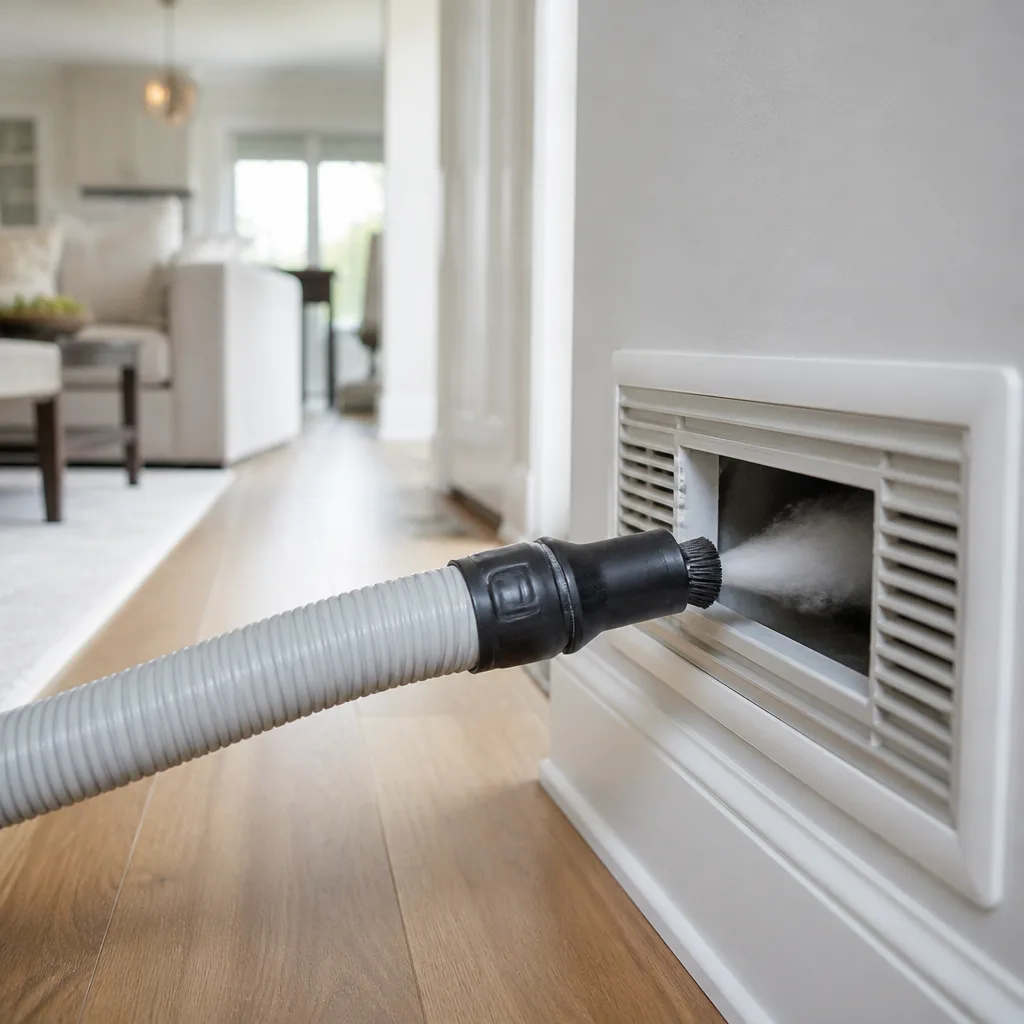 Sanitizing & deodorizing
Whole-system duct and dryer vent check with before-and-after photos - you see exactly what came out of your vents
That "$99 whole-house special" is a bait ad - the real number appears once they are in your hallway, or the "clean" is a shop-vac at the register. We photograph the inside of your ducts before and after instead.
Air Duct Cleaning Maintenance Schedule: What to Do and When
The three-to-five-year cleaning interval you’ve seen repeated in articles and utility pamphlets didn’t come from Arvada. It came from studies of mid-Atlantic housing stock, at low elevation, in humid air, with mild summers and no wildfire smoke season. None of those conditions describe a home in Arvada, CO, sitting around 5,300 feet on the Front Range, where indoor humidity runs low most of the year, HVAC systems cycle hard between a dry spring and a hot summer, and June through September brings smoke drift from fires that can be hundreds of miles away. So the calendar rule isn’t wrong everywhere. It’s just wrong here. This guide replaces it with a maintenance schedule built around the variables that actually drive how fast your ducts load up: elevation, humidity, renovation dust, filter discipline, system age, and smoke season.
Quick Answer
For most homes in Arvada, air ducts should be inspected once a year and cleaned roughly every two to four years, not the flat three-to-five years you see quoted nationally. High-altitude air carries different particulate loads, low indoor humidity lets dust stay airborne longer before it settles, and smoke season plus renovation work shorten the window fast. Homes with pets, recent remodeling, or older systems often land on the shorter end. A filter-change log is the single best tool for predicting when your system is actually due, and a free estimate from a technician who can see inside the ducts settles it.
Styles & brands we work with
- Whole-home duct cleaning
- Dryer vent cleaning
- Camera inspection
- Sanitizing & deodorizing
Table of Contents
- Why the National Cleaning Interval Doesn’t Fit Arvada
- How Elevation and Low Humidity Change What Happens Inside Your Ducts
- The Filter-Change Log Method for Predicting a Real Cleaning Date
- Post-Renovation Protocol: What to Do After Drywall, Insulation, or Flooring
- Wildfire Smoke Season: Why a Filter and Duct Inspection Beats an Air Purifier Alone
- The Annual DIY Inspection Checklist (Phone Camera, Ten Minutes)
- The Full Arvada Maintenance Calendar
- When the Schedule Calls for Repair, Not Cleaning
Why the National Cleaning Interval Doesn’t Fit Arvada
Most guidance you’ll find on air duct cleaning frequency assumes a house at sea level, in a climate with humid summers and mild temperature swings, and no recurring smoke events. Arvada matches none of those assumptions. When people in Arvada search for how often air ducts should be cleaned, the honest answer is that the number changes with the house, not with the calendar.
Four variables do most of the work of deciding timing:
- Altitude and air density. Lower air density at elevation changes how airborne particles behave, and it changes how hard your blower has to work to move the same volume of air. More work means more dust cycling through the return side.
- Indoor humidity. Arvada’s semi-arid climate leaves indoor air dry much of the year. Dry air keeps fine particulates suspended longer, so they travel further into the system before they settle on duct walls instead of dropping out close to the register.
- Seasonal smoke. The Front Range smoke season runs roughly June through September, and those weeks push a steady stream of fine particulates into every home that draws air from outside or runs windows open on a cool morning.
- System age and condition. Newer ductwork with tight joints holds contamination differently than older flexible or leaky trunk lines, which both collect debris and pull in unfiltered attic or crawlspace air.
We’ve seen the difference firsthand across Arvada neighborhoods, from older homes near Olde Town to newer builds out in Candelas. The newer houses usually aren’t dirtier because they’re new. They’re dirtier because construction dust and drywall fines from the build itself settle into the system and don’t fully clear for years. The older homes have decades of settling, often along with ducts that have come loose at a joint or two. The schedule below accounts for both.
How Elevation and Low Humidity Change What Happens Inside Your Ducts
Particulate settling is the whole ballgame in duct contamination, and settling behaves differently in Arvada’s air than it does in the climate where most cleaning-frequency guidance was written. Three effects matter most.
Dry air keeps dust in motion. Relative humidity inside Arvada homes drops low in winter and stays modest in summer. In humid climates, fine dust absorbs moisture and clumps, which makes it drop out of the air stream quickly. Here, it stays light and travels. The practical result is a thinner but wider spread of fine material through the system, including the return trunks and the runouts to bedrooms where you rarely think to look. That fine layer is exactly what a professional system with containment and negative pressure is built to remove, and it’s exactly what a shop vacuum pulled up to a register can’t touch.
Altitude changes blower behavior. At Arvada’s elevation the air is thinner, so a blower pushing the same cubic feet per minute moves less mass and the whole system runs against different static pressure than its label assumes. Systems that are slightly undersized or have a restricted filter often work harder than the homeowner expects. That extra runtime pulls more air, and more dust, through the return side over a heating and cooling season.
Temperature swing cycles the system hard. Front Range days can swing from a cold morning to a warm afternoon, which means the furnace and the air conditioner both run during parts of spring and fall. Every cycle stirs settled dust back into suspension. Homes here often log more blower hours per year than the national average suggests, and that alone shortens the interval between cleanings.
What this means in practice: a home in Arvada that looks fine on a calendar can already have a measurable dust load in the return trunks at year three. That’s why we inspect before we recommend. “See what’s inside your system” isn’t a slogan, it’s the only honest way to set a date.
The Filter-Change Log Method for Predicting a Real Cleaning Date
Instead of guessing from the calendar, track how fast your filter loads up. A filter is a sample of what’s entering the system, and the rate it darkens tells you more about your duct condition than any general rule. Start a simple log now.
- Date every filter change. Write the install date directly on the filter frame, then log it in a notes app or on a notepad kept near the furnace.
- Note the filter’s rated life and the actual change date. If a filter rated for 90 days is visibly loaded at 45 days, you’ve learned something about your home’s dust load. Log the actual days, not the label.
- Note what the filter looks like. Uniform gray is normal. Dark bands on one side suggest an air leak pulling unfiltered air. Rust-colored or gritty debris can point to a broken or disconnected duct run pulling from unconditioned space.
- Note the season. Filters load faster in June through September during smoke season and faster during any renovation. A pattern across two or three heating seasons tells you when your system is doing the most work.
- Compare the log to the inspection. When the filter is loading noticeably faster than it did two years ago, and nothing about your household changed, that’s the point where an actual duct inspection is worth the call.
A fast-loading filter on its own isn’t proof your ducts are dirty. It’s proof your system is handling more particulate than usual, which is exactly the moment to look inside rather than wait for a calendar reminder. Households with pets, more than one renovation in a few years, or a wood-burning fireplace tend to see the acceleration first.
The log also protects you from the opposite error: cleaning on schedule when the system doesn’t need it. A duct cleaning that happens too early wastes money and does nothing for your indoor air. The right move in Arvada is a free estimate and a look inside, not a subscription.
Post-Renovation Protocol: What to Do After Drywall, Insulation, or Flooring
Renovation dust is the single most underrated cause of duct contamination in Arvada homes, and it’s the reason the schedule above has to bend around construction. Drywall sanding throws fine gypsum dust that drifts into every open register. Insulation work releases fiberglass fibers. Flooring removal stirs decades of settled dust. None of that belongs in your return air.
Here’s the protocol we walk homeowners through after any interior work in an occupied home:
- Before the work starts: seal the registers and the return grille. A layer of plastic and painter’s tape over every supply and return in the work zone costs almost nothing and prevents most of the problem.
- During the work: keep the HVAC system off in the work zone. Running the blower while drywall dust is airborne is the fastest way to distribute it through the whole house.
- Right after the work: change the filter, then change it again in two weeks. The first change grabs the bulk of the dust. The second catches what settled into the return and gets pulled through once the system runs again.
- Within one to four weeks: inspect the registers and return grille visually. A thin gray film is normal. Visible grit, drywall chips, or insulation fibers in the throat of a register means the system pulled material in and is worth a professional look.
- If the renovation was large (full kitchen, basement finish, drywall throughout): schedule a full inspection and cleaning. Work of that scope puts drywall fines into the system no filter change can recover, and the dust settles into the trunk lines and coil where you can’t see it.
Timing matters more than people expect. Cleaning immediately after the last coat of paint, before the final clean-up, misses half the dust that’s still settling out of the air. Cleaning a month or two later catches it all. If the renovation happened during smoke season, combine the post-renovation inspection with a filter and duct look at the same time. One visit, two reasons.
Wildfire Smoke Season: Why a Filter and Duct Inspection Beats an Air Purifier Alone
Every summer, Front Range homeowners buy air purifiers to handle the smoke. Some of those purchases help. Almost none of them address where the smoke actually ends up. Smoke particles are small enough to pass most standard filters and thin enough to settle on duct walls and the evaporator coil. Once they’re in the system, an air purifier running in one room doesn’t touch them. When the system cycles on in the fall, it blows them back into the house.
The better response to Arvada’s June-through-September smoke season, in order:
- Upgrade the filter before the season, not during it. A higher-MERV filter that your system can actually handle captures more of the fine particulate. A filter that’s too restrictive for the blower hurts airflow. That’s where the Honeywell and Aprilaire filter lines we work with come in: matching the filter to the system so it captures smoke without choking the air handler.
- Close the fresh-air intake and keep windows shut on smoky days. A simple habit that cuts the smoke load dramatically.
- Inspect and clean after a heavy smoke season, not during it. Cleaning mid-season just means the system reloads. A filter and duct inspection in October, once the smoke clears, catches what the season left behind.
- Pair the purifier with the duct work, not instead of it. A portable purifier helps in the room you’re in. A clean system with the right filter helps everywhere the system serves.
We’ve seen this pattern across Arvada enough times to trust it: homes that get cleaned and get the right filter in the fall have an easier smoke season the following summer. Homes that rely on a purifier alone tend to see dust and musty odor come back by the next heating cycle. Better air starts with what you can’t see, and the season is the reminder to look.
The Annual DIY Inspection Checklist (Phone Camera, Ten Minutes)
Before you spend money on a professional visit, spend ten minutes looking inside your own system. Do this once a year, ideally in early fall before the heating system gets its real workout. All you need is a phone with a light.
- Pop off two or three supply registers. Choose one in a main living area and one in a bedroom that’s rarely used. Look up into the boot and runout.
- Photograph what you see. The camera flash shows dust that your eyes miss. A thin, even film is normal. A thick mat of material, visible grit, or anything fuzzy is worth a second look.
- Look at the return grille and its filter slot. If the filter is loaded well before its rated life, note it in your log (see the filter-log method above).
- Check the register throat for fibers or drywall chips. These are a strong signal that renovation dust or insulation work sent material into the system.
- Smell the air at a return while the system runs. A musty or stale odor is a sign of moisture or biological growth somewhere in the system. That’s a call-a-professional moment, not a filter change.
- Look for visible loose joints or tape peeling at the trunk. Leaks pull unfiltered air from unconditioned space, which is one of the fastest ways ducts get dirty.
What you’re seeing in that register is a small sample of the whole system. The trunk lines, the coil, and the return plenum are where most of the contamination settles, and they aren’t visible from a phone camera at a register. That’s why an annual check doesn’t replace a professional inspection every few years, it just tells you when to make the call sooner. If your photos show heavy dust, fibers, or a visible film along the runout, that’s your signal. Rotary brush and negative-pressure equipment sees and reaches where a phone camera can’t.
The Full Arvada Maintenance Calendar
Here’s how the year breaks down for a typical Arvada home. Adjust for renovations, pets, and system condition.
- January – March. Heating season peak. Check and replace filters on the schedule your log shows. No cleaning unless you’ve got a reason (recent renovation, odor, visible dust).
- April – May. Spring inspection window. Pop registers, photograph, log filter dates. If the filter is loading faster than last year, call for a free estimate now, before smoke season makes it worse.
- June – September. Smoke season. Keep windows shut on smoky days, run the right filter, keep the purifier running. No cleaning mid-season unless you have a specific reason. Check filters often.
- October – November. This is the smart time for a full cleaning and inspection. Post-smoke, post-renovation, pre-heating season. Filter change, duct look, any repair needs addressed in one visit.
- December. Heating is running hard. Watch filters, note any new dust patterns at registers, and plan the next year’s inspection.
The critical takeaway is this: there are two windows a year when a professional inspection actually pays off for most Arvada homes. Spring (April – May), before the smoke season, and fall (October – November), after it. A routine cleaning that falls outside those windows without a clear reason is usually money spent early. A cleaning that misses both windows is usually money spent late.
The one category of home that jumps off this calendar entirely is a dryer vent. That’s separate from your HVAC ducts and follows its own rules, which is why it’s covered below.
When the Schedule Calls for Repair, Not Cleaning
Not every ducting problem is a cleaning problem. Some are structural, and a technician who only cleans would either skip them or clean around them. Here’s the short list of situations where the visit should turn into a repair, not a cleaning:
- A disconnected flex run or a boot that’s come loose from a register. You’re conditioning the attic or crawlspace instead of the room. Air duct repair on the same visit is the fix, and it’s a repair a cleaning-only company will typically refer out.
- Crushed or kinked flex duct. Common in older homes in Arvada where ductwork was replaced near framing or run through a tight chase. Airflow drops and dust settles in the flattened section.
- Visible biological growth or persistent musty odor at a return. Cleaning alone doesn’t solve a moisture source. The cause has to be found, which is why we look before we recommend.
- Peeling or failed tape and mastic at trunk joints. Leaks pull dust from unconditioned space straight into the supply side.
- A dryer vent that’s clogged or has come loose from the dryer. This is a fire-safety issue with a well-documented link to house fires, and it belongs on the same visit as the HVAC work rather than a separate appointment.
We clean it. We fix it. That distinction matters when you’re booking a maintenance visit, because most cleaning-only companies can’t address a loose runout or a peeling joint at all. It’s the reason we’re set up with air duct repair as a core service. And it’s the reason our technicians carry the tools to diagnose the system, not just clean the visible parts.
Common Mistakes to Avoid
- Following the national three-to-five-year number as if it applied here. It was written for a different climate and housing stock. Arvada’s low humidity, altitude, and smoke season push most homes toward the shorter end, and a filter log tells you which end yours is on.
- Cleaning by calendar instead of by condition. A scheduled cleaning when the system is already clean wastes money and changes nothing about your air. A free estimate and a look inside the system is the better starting point.
- Cleaning right after a renovation instead of in the following month. Half the dust is still settling out of the air on day one. Waiting a few weeks catches all of it.
- Buying an air purifier as a substitute for clean ducts. A purifier helps a room. It doesn’t touch the smoke residue already sitting on the duct walls and the coil, and the system pushes that back into the house the moment it cycles on.
- Ignoring a fast-loading filter as “just a filter problem”. Filters load faster when more particulate is entering the system. A pattern change is a reason to inspect, not a reason to buy filters in bulk.
- Booking a cleaning when the real problem is a disconnected runout or a loose joint. A cleaning will clear the visible dust, but the leak keeps pulling unfiltered air in, and the dust returns in weeks. Air duct repair is the missing step.
- Putting off the dryer vent because it’s not on the HVAC schedule. It’s a separate system and a genuine fire-safety issue. If it’s been more than a year since it was checked, it should be on the list right alongside the HVAC work.
See the difference
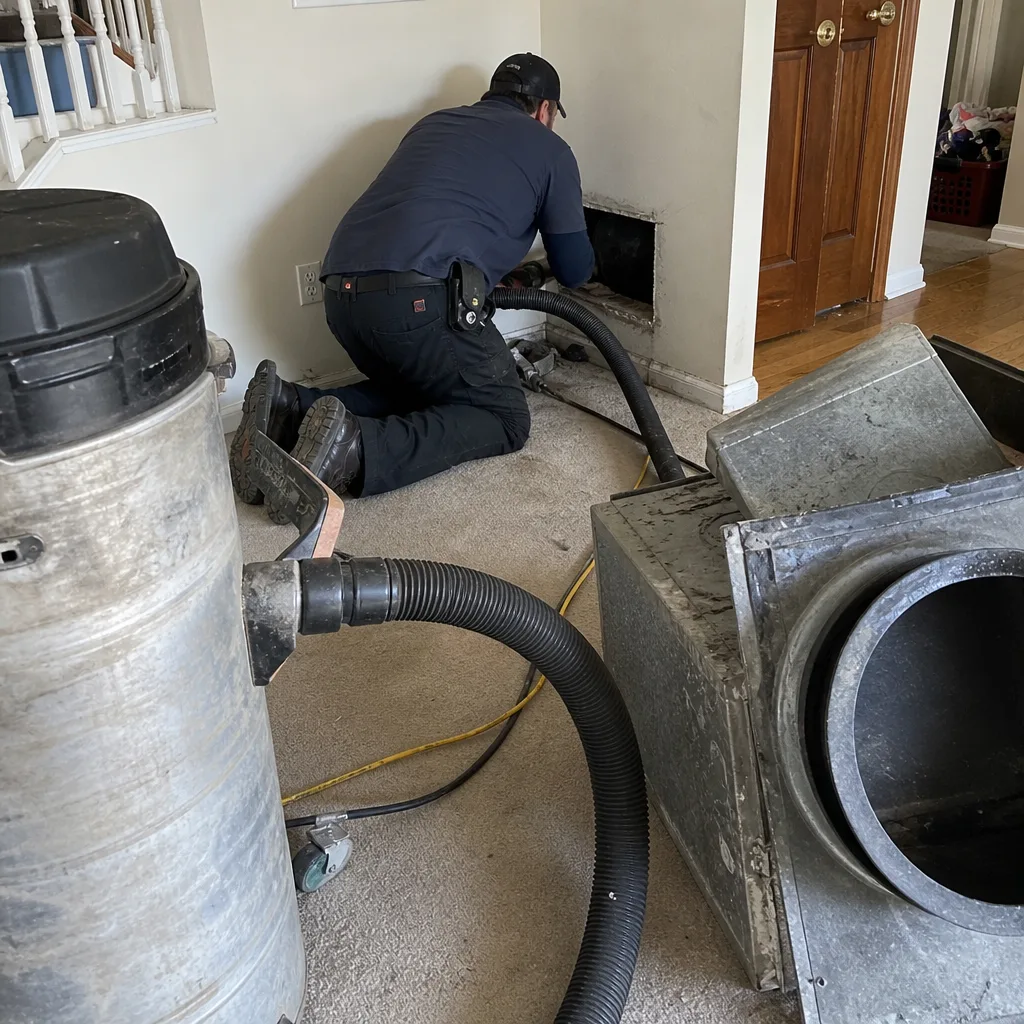 Before
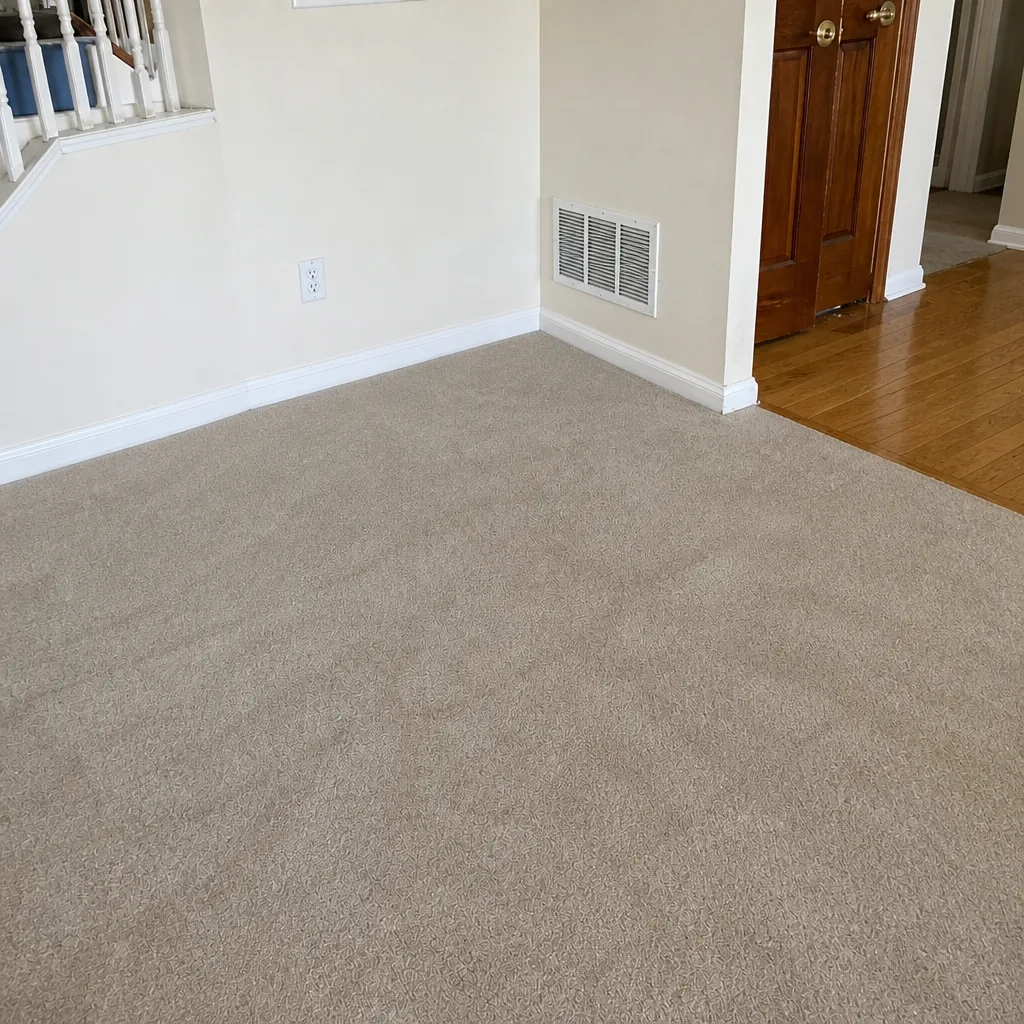 After
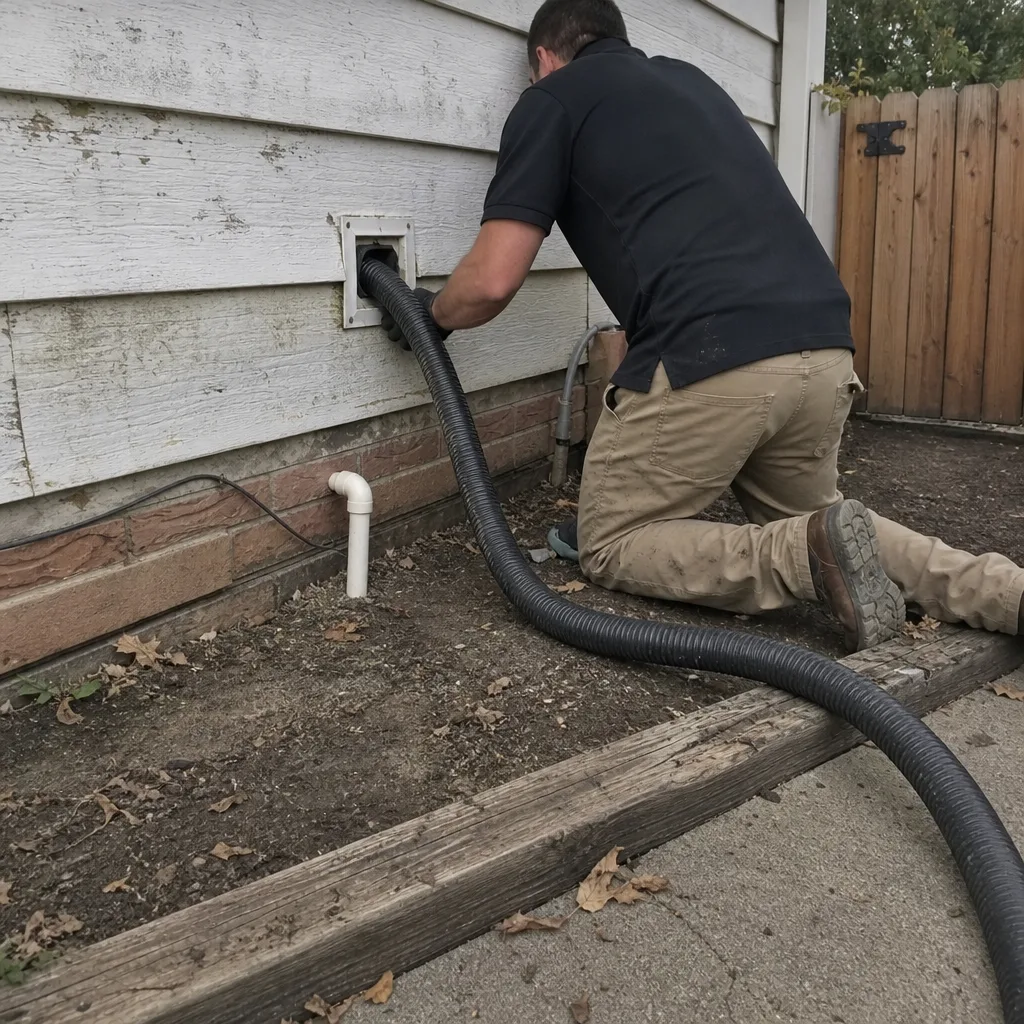 Before
 After
 Before
 After
When to Call a Professional
Some situations skip the DIY inspection entirely. Call us when you smell musty odor at a return while the system runs, when a phone-camera photo shows visible fibers, drywall chips, or biological growth inside a register, when a filter is loading well before its rated life for two changes in a row, or when a renovation of any size completed within the last six months. The same goes for any visible disconnected duct, crushed flex run, or peeling trunk joint, and for any dryer vent that hasn’t been checked in over a year. Those are the scenarios where professional equipment and repair capability actually matter, not just a sweep of the visible parts. Duct Cleaning Arvada offers free estimates in Arvada, CO, and the written estimate sets the price before any work starts. Call (833) 370-4086. We answer 24/7. Fast dispatch from 7am to 7pm, Sunday through Friday.
Frequently Asked Questions
For most Arvada homes, air ducts should be inspected once a year and cleaned roughly every two to four years, not the flat three-to-five years you see quoted nationally. Arvada’s low indoor humidity, altitude, and June-through-September smoke season all shorten the window compared to the mid-Atlantic climate the standard interval was based on. Homes with pets, recent renovations, or older systems usually land on the shorter end. The best predictor is a filter-change log, and a free estimate with a look inside the ducts settles it. Call (833) 370-4086 for an exact quote; estimates are free.
Cheap quotes are usually low because the equipment is consumer-grade, the time on the job is minimal, or the work stops at the register and never reaches the trunk lines and the coil. A shop vacuum at the register pulls a little surface dust and leaves the system untouched. Professional equipment built for duct cleaning, with containment and negative pressure, takes longer and costs more to run, and that’s reflected in the quote. The cost difference shows up in what the visit actually removes. Call (833) 370-4086 for a written estimate before any work begins; the estimate sets the final price.
A clean duct system doesn’t always announce itself with odor. Visible dust at the registers, faster filter loading, and a recent renovation are all reasons to inspect even when the air smells normal. Odor is a lagging indicator; the system can be carrying a significant dust load well before you notice a smell. A free estimate and a look inside settles it. Call (833) 370-4086, and we’ll tell you honestly whether the system needs work now or later.
October and November are the strongest window for Arvada homes, because the smoke season has ended and the heating season is still ahead. April and May are the second-best window, as a pre-season inspection that tells you whether work is needed before smoke arrives. Cleaning during the smoke season usually means the system reloads within weeks. Call (833) 370-4086 to book an estimate in either window; estimates are free and the written quote sets the price.
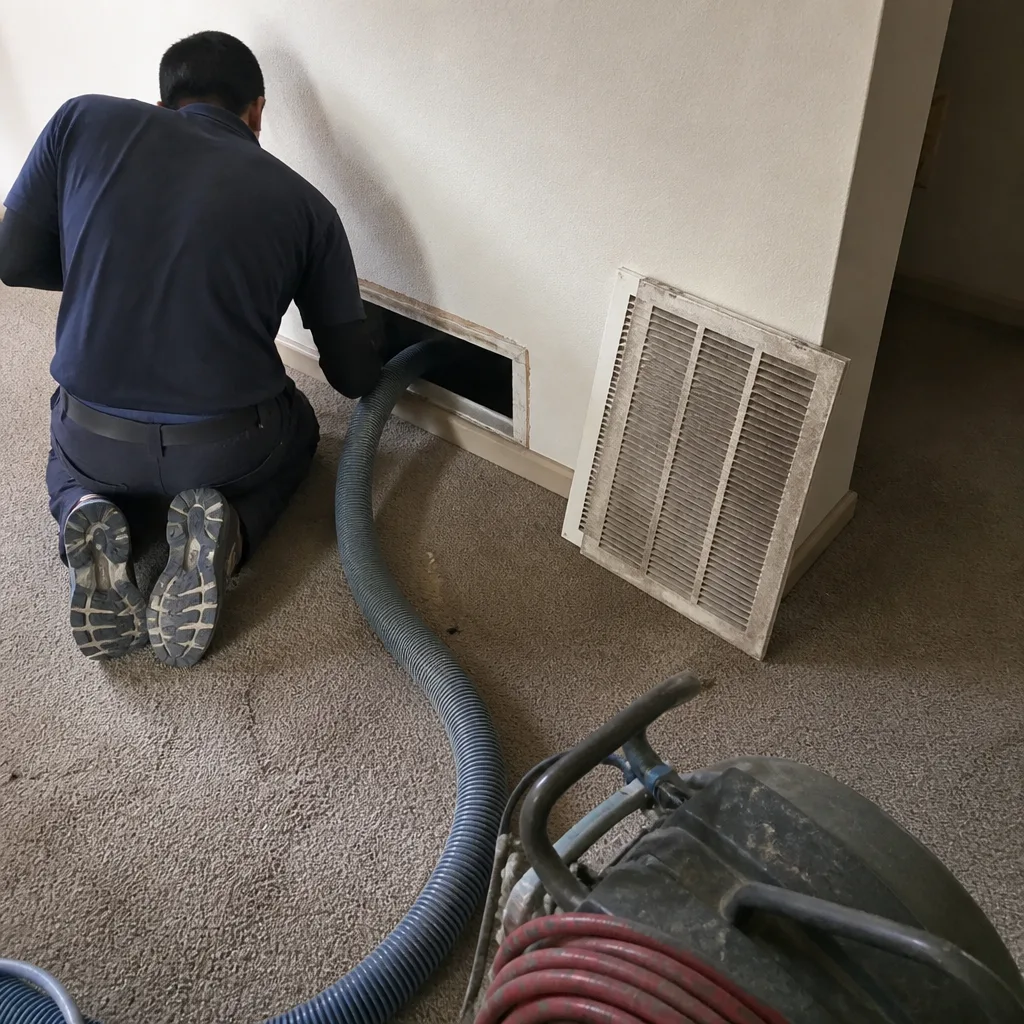
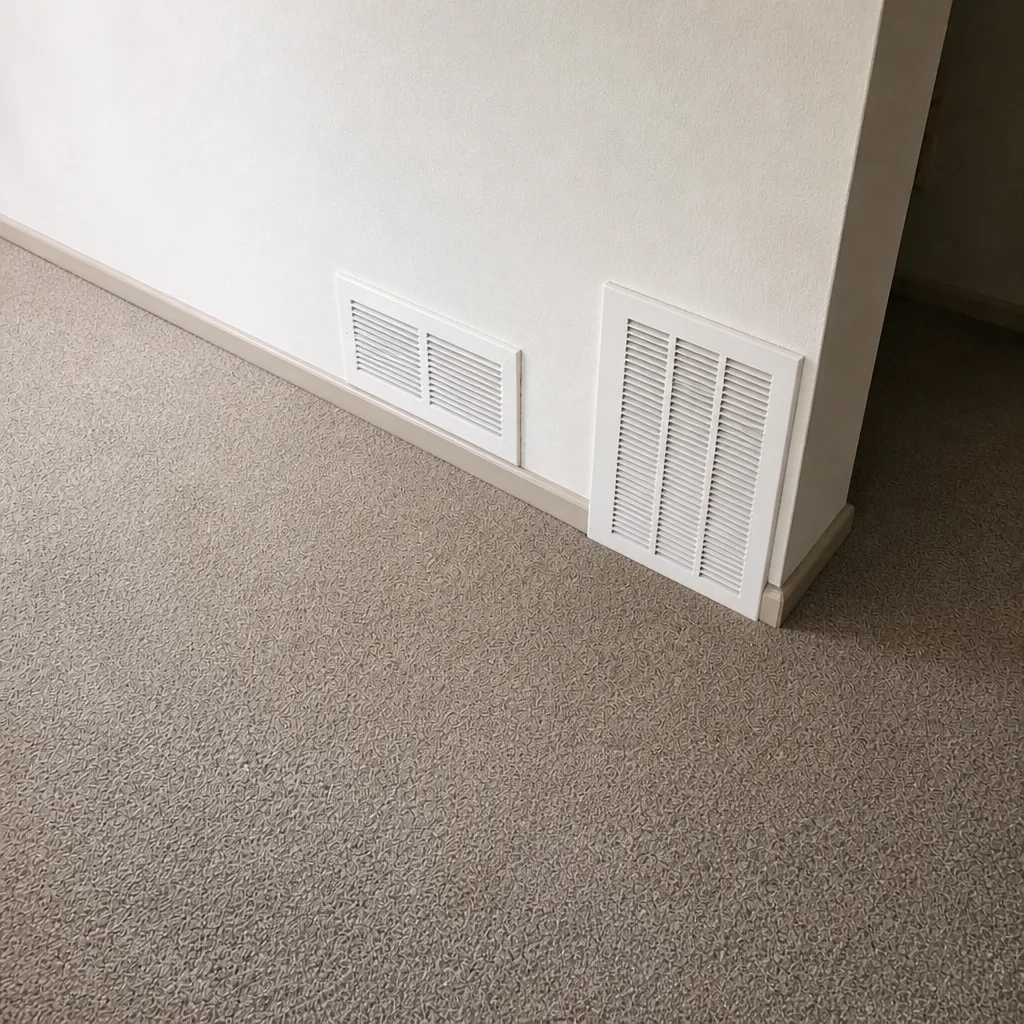
You should see before-and-after photos of your own ducts and get a written description of what was found and what was removed. Ask for those up front. A technician who can’t show you the inside of your system before and after hasn’t proven the work was done, and the point of a professional visit is to see what’s inside your system, not to take it on faith. A free estimate comes before the work and the written quote sets the price. Call (833) 370-4086 to schedule one.
New construction homes in Arvada often need duct cleaning sooner than older homes, not later. Drywall dust, framing debris, and construction fines settle into the system during the build and don’t fully clear with normal operation. A first cleaning in the first year or two is common, followed by the standard annual inspection after that. Call (833) 370-4086 for a free estimate and we’ll look inside before recommending anything.
Your dryer vent is a separate system and follows its own schedule. It should be checked at least once a year, and more often in a larger household with frequent laundry. Clogged dryer vents are a documented leading cause of residential house fires, so this one isn’t optional. We handle dryer vent cleaning as a dedicated service on the same visit as HVAC work when it’s practical. Call (833) 370-4086 to add it to a free estimate; the written quote sets the price.
The Bottom Line
The right cleaning schedule for a home in Arvada isn’t on a calendar; it’s in the filter log, the annual phone-camera inspection, and the pattern you see across smoke seasons and renovations. Inspect once a year, clean every two to four years for most homes, shorten the window after a renovation or a heavy smoke season, and call a professional whenever a register shows fibers, drywall grit, or visible growth. When the system needs repair instead of cleaning, that’s the visit to book with a company that can actually fix the duct on-site. A free estimate and a look inside your system is the first step, and the written quote sets the price. Call Duct Cleaning Arvada at (833) 370-4086. We answer 24/7. Fast dispatch from 7am to 7pm, Sunday through Friday.
To see how we handle the work itself, start with Duct Cleaning Arvada and see what’s inside your system.
Written by the team at Duct Cleaning Arvada.