
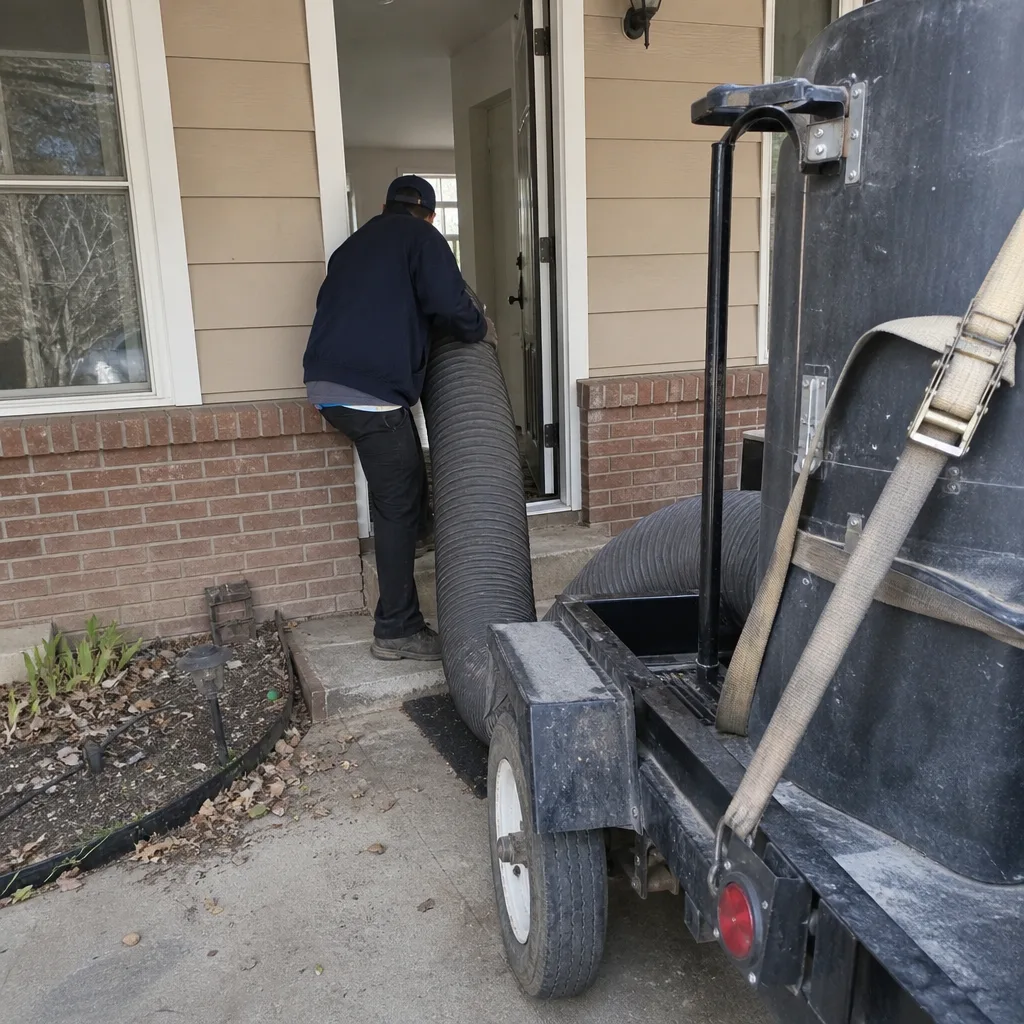
Last updated November 14, 2026
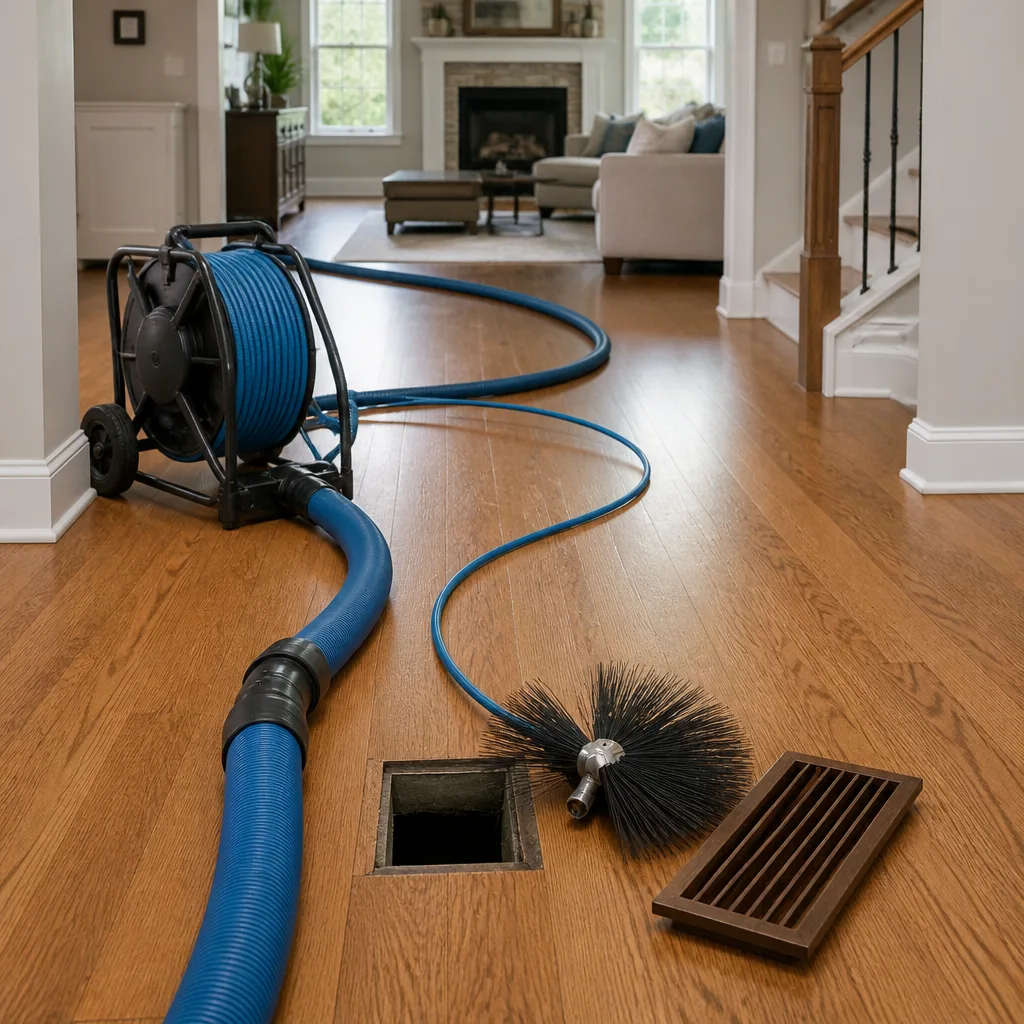 Whole-home duct cleaning
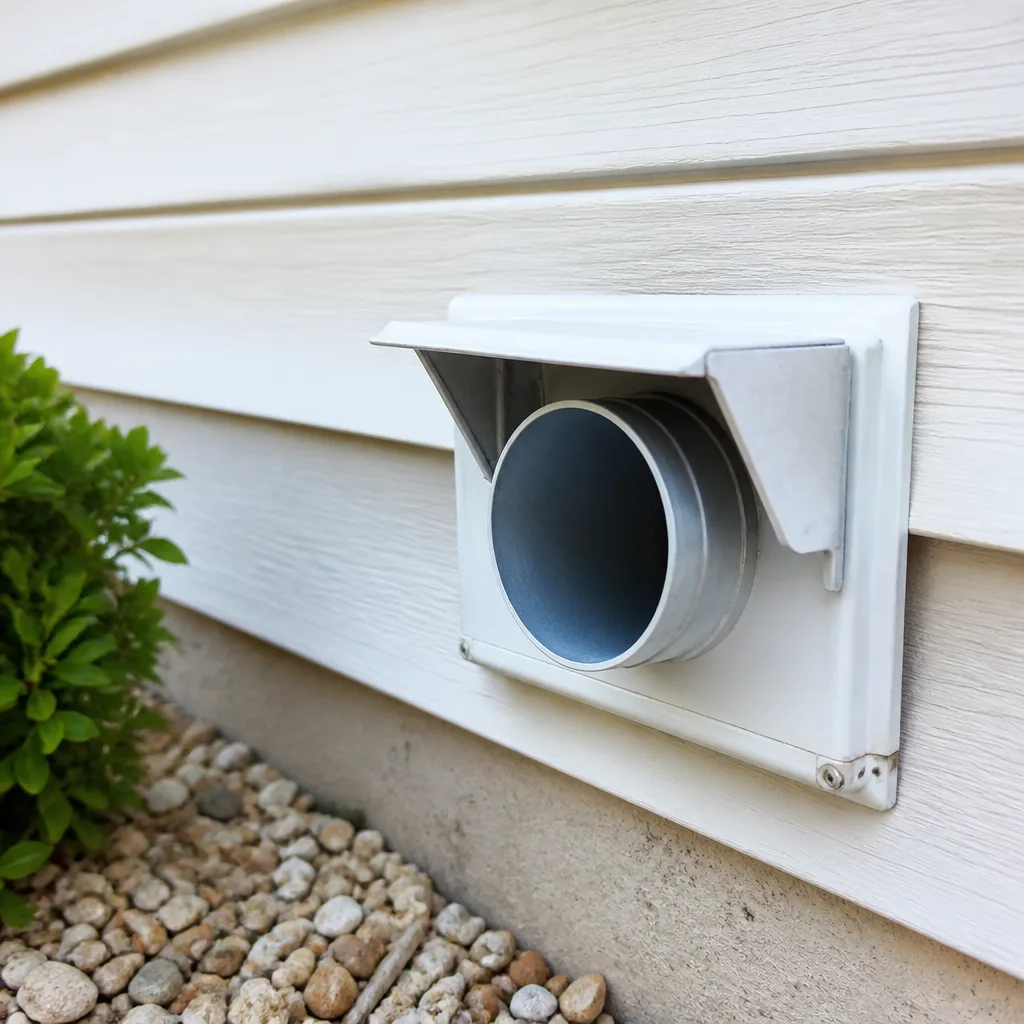 Dryer vent cleaning
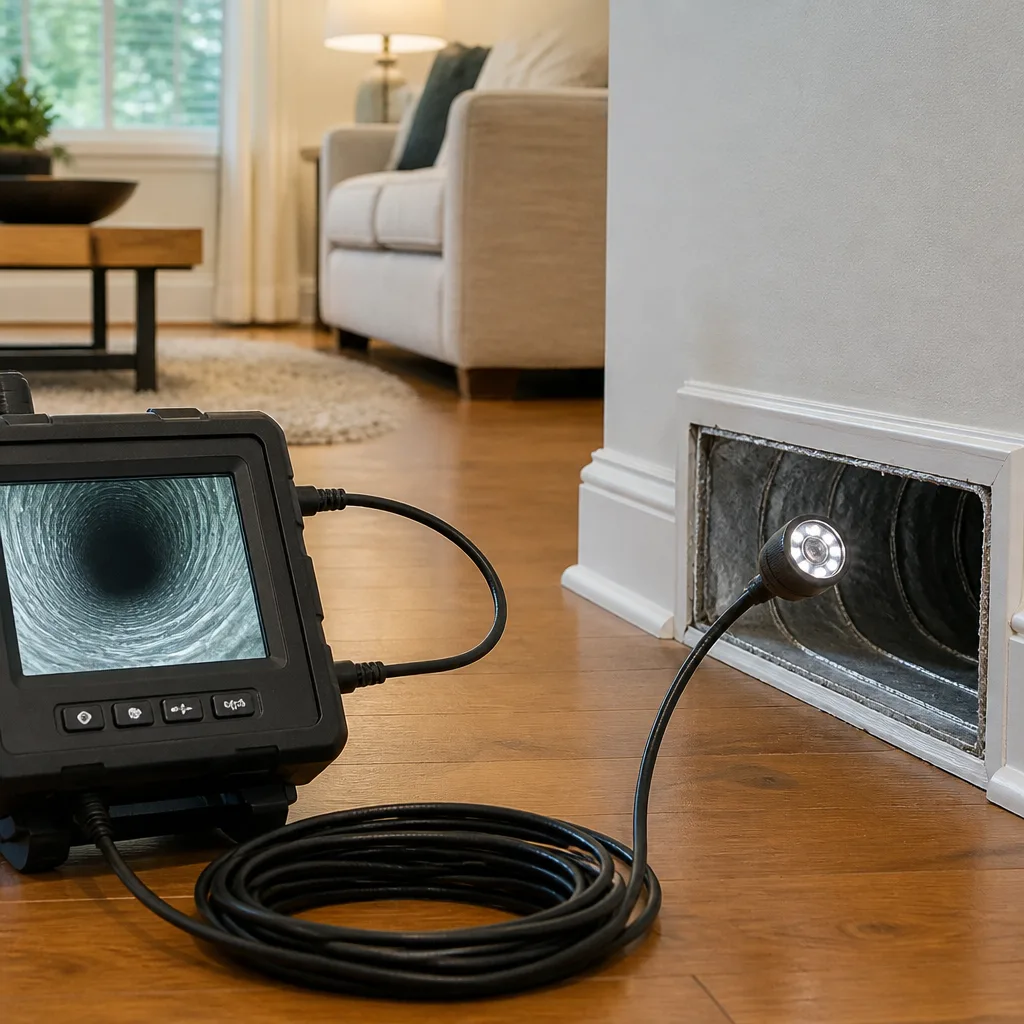 Camera inspection
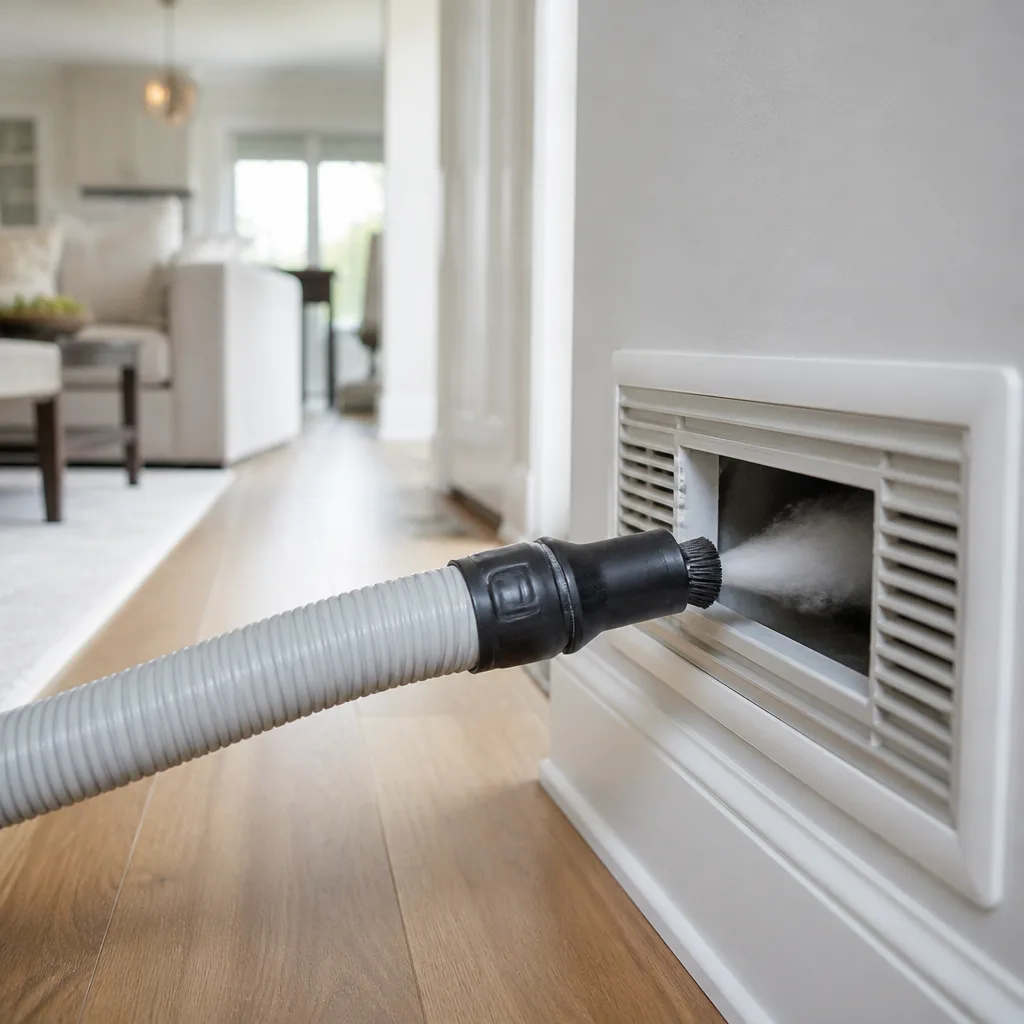 Sanitizing & deodorizing
Whole-system duct and dryer vent check with before-and-after photos - you see exactly what came out of your vents
That "$99 whole-house special" is a bait ad - the real number appears once they are in your hallway, or the "clean" is a shop-vac at the register. We photograph the inside of your ducts before and after instead.
Air Duct Cleaning Warning Signs: An Arvada Homeowner’s Reference Guide
Dust on a register cover is the warning sign everyone knows and almost no one acts on correctly, because visible dust is often the last symptom, not the first. By the time dust is settling on your furniture, the problem inside your duct system has usually been developing for a while. The early indicators are quieter: uneven airflow between rooms, a specific odor you can’t place, or a furnace that runs longer each winter to reach the same temperature it used to hit easily. This guide decodes what you’re actually seeing, smelling, and hearing into clear diagnostic categories, so when you call a technician in Arvada you can describe the real problem instead of a vague complaint.
Quick Answer
The main warning signs of a duct problem are uneven airflow between rooms, musty or chemical odors coming from registers, HVAC runtime that keeps creeping up, visible staining or discoloration around supply vents, and debris blowing out of vents after the system starts. Dust alone is the weakest signal. The strongest signals point to airflow restriction, contamination, or a mechanical break somewhere in the duct run, and each one calls for a different response: cleaning, repair, or both.
Styles & brands we work with
- Whole-home duct cleaning
- Dryer vent cleaning
- Camera inspection
- Sanitizing & deodorizing
Table of Contents
- The Airflow Test: Which Rooms Are Starved and Why
- Odor Taxonomy: What Each Smell Tells You
- HVAC Runtime Creep: When Ducts Are the Culprit
- Visible Signs Beyond the Dusty Register
- Cleaning vs. Repair: Which Warning Signs Mean What
- What Professional Equipment Actually Reveals
- What Arvada Homes Do to Duct Systems
The Airflow Test: Which Rooms Are Starved and Why
Airflow asymmetry is the most reliable early warning sign a homeowner can detect without tools, and it almost always points to a duct condition rather than a failing furnace. When one room heats or cools noticeably slower than the rest of the house, the air handler is usually working fine. The problem is downstream: somewhere between the plenum and that room’s register, the duct is restricted, leaking, disconnected, or undersized for the demand placed on it. Learning to read this pattern tells you more than any amount of dust-wiping.
How to run a simple airflow comparison
- On a mild day, set the thermostat to a temperature the system can hold and let it run until it stabilizes.
- Hold the back of your hand close to each supply register in the house, one at a time, and note the relative force of the air.
- Note which rooms feel weak, which feel strong, and whether any register feels warm when the system is cooling or cool when it’s heating.
- Repeat on the return side: a return that pulls weakly or not at all restricts the whole system.
A single weak register at the end of a long duct run is common and often a design issue. A room that used to feel fine and now doesn’t is a different story. That change usually means something failed: a run that came loose at a joint, a damper that shifted, a flexible duct that collapsed, or debris that accumulated at a bend. In Arvada’s older neighborhoods, where homes have been added onto and systems extended, it’s not unusual to find a branch run that was never sized properly in the first place and only shows up as a problem once the house’s heating or cooling load changes.
An important distinction: if the weak-air room also runs hot in summer and cold in winter relative to the rest of the house, the duct is the leading suspect. If every room is weak equally, look at the air handler or the filter first. Our technicians have up to 12 years of experience reading these patterns, and the difference between one weak room and whole-house weakness is often the first thing we establish when we walk in.
Odor Taxonomy: What Each Smell Tells You
Most homeowners describe a smell as “weird” or “dusty,” but the specific character of an odor is one of the most useful diagnostic clues in the whole system. Different smells come from different conditions, and pinning down which category yours falls into tells a technician where to look before they even open a vent. Don’t try to identify the odor by name in your head; instead, describe when it appears, where it’s strongest, and what it resembles. Those three details do the work.
The three main odor categories
- Musty or earthy. This is the smell of moisture and biological growth. It often points to condensation inside the duct system, a damp crawlspace feeding the return, or duct liner that stayed wet after a leak or a humid stretch. In Arvada’s semi-arid climate, musty odors in ducts are less about outdoor humidity and more about moisture getting in from somewhere: a roof leak, a plumbing leak nearby, or a return pulling from a damp space. A musty smell that intensifies when the fan starts is a strong signal that the source is inside the system.
- Burning or hot-dust. A faint hot smell on the first run of the season is normal as dust settled on the heat exchanger burns off. A persistent burning smell is not normal and warrants turning the system off and calling a professional. It can indicate an overheating component, a failing blower motor, or debris contacting a heat source. This is a safety-forward symptom, not a cleaning symptom.
- Chemical or synthetic. A sharp, plasticky, or solvent-like smell can come from degraded duct liner, sealant off-gassing, or something foreign that made its way into a duct. Any chemical odor that persists across multiple cycles deserves a professional look before you keep running the system.
Rodent and pest odor
A distinct musky, ammonia-tinged smell, sometimes with scratching sounds in the walls near duct runs, points to rodents or other pests moving through or nesting near the system. Their waste contaminates the duct interior, and cleaning alone doesn’t solve it unless the entry point gets sealed. That’s a repair-and-clean job, not a clean-and-walk-away job.
HVAC Runtime Creep: When Ducts Are the Culprit
Runtime creep is the slowest and most expensive warning sign to ignore, because it shows up on your energy bill before it shows up anywhere else. If your furnace or air conditioner is running longer than it used to for the same indoor temperature, and nothing else has changed, the most likely explanation is that the system is losing efficiency somewhere between the air handler and the rooms. Ducts are a common cause and are usually checked last. Equipment gets blamed first.
What runtime creep looks like
- You’ve nudged the thermostat up or down a degree or two over a season to feel comfortable.
- The system cycles less often but runs longer per cycle.
- One or two rooms never quite reach the setpoint while others overshoot.
- The blower runs noticeably louder than it used to, or a low whoosh became a strained roar.
Leaky ducts lose conditioned air before it reaches the living space. Restricted ducts force the blower to work against higher static pressure, which means less delivered air per unit of energy. Either way, the equipment runs longer to do the same job. In Arvada, where winter design temperatures push furnaces hard for months and summer afternoons can spike demand on the cooling side, a marginal duct system gets exposed. A house that coasted through a mild season can suddenly show its duct problems when the load increases.
The reason this matters: homeowners often replace equipment to solve a runtime problem that equipment replacement can’t fix. A new furnace connected to a restricted or leaky duct system will run long too. Reading runtime creep correctly saves you from spending money on the wrong solution, and it’s one of the reasons we recommend air duct cleaning diagnostics before assuming the equipment is the issue.
Visible Signs Beyond the Dusty Register
Dusty register covers are the sign everyone notices and the least useful, because a light film of dust on a grille is normal in any forced-air home. The visible signs that actually mean something are the patterns: where the dust collects, how it’s distributed, and what kind of debris it is. Photograph anything unusual when you first notice it, because some of these signs are intermittent and easier to describe from a picture.
What to look for
- Streaking around supply vents. Dark, smudgy trails running from the vent edge outward onto the ceiling or wall mean air (and its load of particles) is escaping around the boot rather than going cleanly into the room. That’s often a sealing issue at the register-to-duct connection, not just a dirty duct.
- Discoloration or staining at the vent frame. Water staining near a supply or return suggests moisture is getting into the system somewhere. Rust-colored marks on metal duct components point the same direction.
- Debris type blowing out of registers at startup. Black flecks of duct liner, insulation fibers, or fine grit mean the duct interior is breaking down. That’s a repair signal, not just a cleaning one.
- Visible dust plumes in sunbeams. If you can see dust moving in the light when the system kicks on, particulate is being distributed from inside the system rather than being captured at the filter.
- Dust concentrated in one room. A room that collects dust faster than others is usually getting airflow from a duct branch that’s picking up debris from a specific source.
Each of these patterns tells a slightly different story, which is why “see what’s inside your system” is more than a slogan. A technician who inspects, rather than guesses, can trace a dust pattern back to its source. The right equipment for what’s actually in your ducts is different for liner breakdown than it is for typical household dust load.
Cleaning vs. Repair: Which Warning Signs Mean What
The single most important distinction in this guide: some warning signs mean your ducts are dirty and need cleaning, and some mean your ducts are broken and need repair. Cleaning a broken duct doesn’t fix the broken duct, and repairing a dirty one doesn’t clean it. Knowing which category you’re in tells you what to ask for when you call a technician, and it helps you recognize when a company is equipped to do the full job.
Signs that point to cleaning
- Consistent dust accumulation across the whole house with no room standing out.
- A light musty smell that responds to seasonal changes.
- Runtime that’s slightly elevated with no other symptoms.
- Recent renovation, moving, or a period when the system ran without a filter.
- Visible debris in a return grille that’s clearly household dust and lint, not structural material.
Signs that point to repair
- One room or zone with weak airflow that used to be fine (suggests a disconnected or collapsed run).
- Black flecks or insulation fibers blowing out of registers (suggests liner breakdown or failing duct joints).
- Rust, water staining, or visible moisture connected to the system.
- A loud roaring or whooshing blower with poor airflow (suggests restriction and high static pressure).
- A burning smell, or any odor combined with visible smoke or heat.
- Rodent activity in or near duct runs (entry points must be sealed).
In our experience, a surprising share of jobs that get sold as simple cleaning have a repair problem underneath: a failed return boot, a collapsed flex run, unsealed joints leaking into a crawlspace, or a liner that’s come apart. That’s why repair capability matters when you’re choosing a technician. We clean it. We fix it. Those are usually two different tools and two different skill sets, and doing both in one visit is generally the only way to actually solve the underlying problem. If you want to understand what the full repair-and-clean scope looks like in Arvada, see our Arvada service page.
What Professional Equipment Actually Reveals
Two duct jobs that look identical to a homeowner can look entirely different to a technician with the right inspection tools, and that’s how you know whether a company is diagnosing or just cleaning. Restoration-grade equipment does more than vacuum: it contains, extracts, and lets the technician inspect the duct interior under controlled conditions. Most consumer-grade or repurposed shop vacuums can’t do any of those three things well, and they can’t tell you what was found.
How a professional inspection and cleaning sequence typically works
- Camera inspection. A small camera is run through the main trunk and key branch runs to identify contamination, liner condition, and any breaks or disconnections.
- Containment. Openings are sealed and negative pressure is established so that loosened debris is captured rather than redistributed into the home. Abatement Technologies filtration and containment equipment is the standard for this step.
- Mechanical agitation. Rotobrush and Nikro systems use a rotating brush and whip that reach duct surfaces and lift material that a straight vacuum pull won’t. These are purpose-built duct-cleaning systems, not repurposed shop tools.
- Extraction and verification. Debris is pulled out under controlled airflow, and after-cleaning photos are taken before containment is broken.
- Repair, where called for. Disconnected joints, failed boots, and liner problems identified during inspection get addressed on the same visit rather than referred elsewhere.
This is also where indoor air quality upgrades come in. Once the system is clean and any repairs are done, adding filtration through trusted, well-established product lines (Honeywell and Aprilaire among them) helps keep the system cleaner for longer. That’s not a sales pitch so much as good sequencing: a clean, sealed system with a proper filter holds its condition; a clean, leaky system without one starts degrading again immediately. Guardsman-backed surface protection keeps the home’s interiors safe during the work itself, which matters when you’re moving equipment through finished spaces.
One more service worth flagging separately: dryer vents. A clogged dryer vent is a documented leading cause of house fires, and the warning signs (long dry cycles, a hot dryer top, lint behind the dryer, a damper that doesn’t flap cleanly) are different from air duct signs entirely. Our dryer vent cleaning service exists because that vent is not the same kind of system and shouldn’t be cleaned as an afterthought on an air duct invoice.
What Arvada Homes Do to Duct Systems
Arvada homes present a particular set of duct conditions worth calling out for local readers. The mix of older mid-century housing and newer construction, the prevalence of finished basements, and the way additions have been layered onto original systems across the city all shape what warning signs show up and where. If you’ve lived in your Arvada home for years and something about the airflow has changed, chances are good the change lines up with a renovation, an addition, or a piece of equipment that was replaced without re-evaluating the ducts.
Local patterns we see in Arvada
- Extended systems in expanded homes. When a home gets an addition, the duct system is usually extended. If the original unducted run was already near its limit, the branch added to the far room is often undersized. That room’s airflow is a one-time good but a permanent warning sign.
- Returns pulled from finished basements. Finished basement renovations often tie the return into basement air. Damp basement air carries a distinct musty signature that shows up strongest at upstairs registers.
- Cold snaps on the Front Range. Arvada’s winters stress furnaces for long stretches. A duct system with leaks or restrictions that coasts through a mild season starts showing runtime creep when the temperature drops and the load climbs.
- Flex duct runs in attics. Attic flex runs in Arvada sit in a space with big temperature swings. A sagging or pinched flex run in an attic is one of the most common causes of a single-room airflow complaint.
- Dryer vent distance. Homes with laundry on the far side of the house often have a long dryer vent run with multiple elbows. That configuration clogs faster and needs attention earlier.
- Filter habits during wildfire smoke season. When smoke events push everyone to run the fan continuously, filters load up faster than usual and a filter that’s overdue can mimic duct restriction. Check the filter before assuming the worst.
These local patterns are why a diagnostic visit is more useful than a call-center quote. A technician who works this housing stock regularly knows what to look for in an Arvada basement, attic, or addition, and can usually point to the likely culprit before the inspection even begins. If you’re new to the area or new to the home, starting with a full duct cleaning Arvada inspection gives you a baseline for what’s normal in your system going forward.
Common Mistakes to Avoid
- Assuming dust equals a dirty system. A film of dust on a register is normal. Intermittent visible dust plumes, debris at startup, and room-specific dust concentration are the signs that matter. Chasing ordinary dust leads to unnecessary cleaning and missed repairs.
- Replacing equipment to fix a runtime problem without inspecting the ducts. A new furnace connected to leaky or restricted ducts will run long too. Check the ducts before committing to equipment replacement, especially in an older Arvada home with an extended system.
- Ignoring a burning smell after the first cycle of the season. A brief hot-dust smell at startup is normal. A persistent burning smell is not, and running the system through it can cause real damage. Turn it off and have it checked.
- Treating a musty odor with air fresheners or ozone. Neither addresses the moisture source. If the source is inside the ducts or a duct-adjacent space, the smell returns. Find the source, don’t mask it.
- Cleaning a broken duct and calling it done. A cleaning pass over a disconnected run or a failed boot just moves airflow around a broken component. If the pattern points to repair, ask specifically for repair capability.
- Skipping the return-side check. A weak return restricts the whole system and produces uneven heat throughout the house. It’s the most overlooked part of the check and often the easiest fix.
- Letting the dryer vent slide because it’s “not the HVAC.” A clogged dryer vent is a fire risk, not an inconvenience. Give it the same attention as the air ducts and have it cleaned on its own schedule.
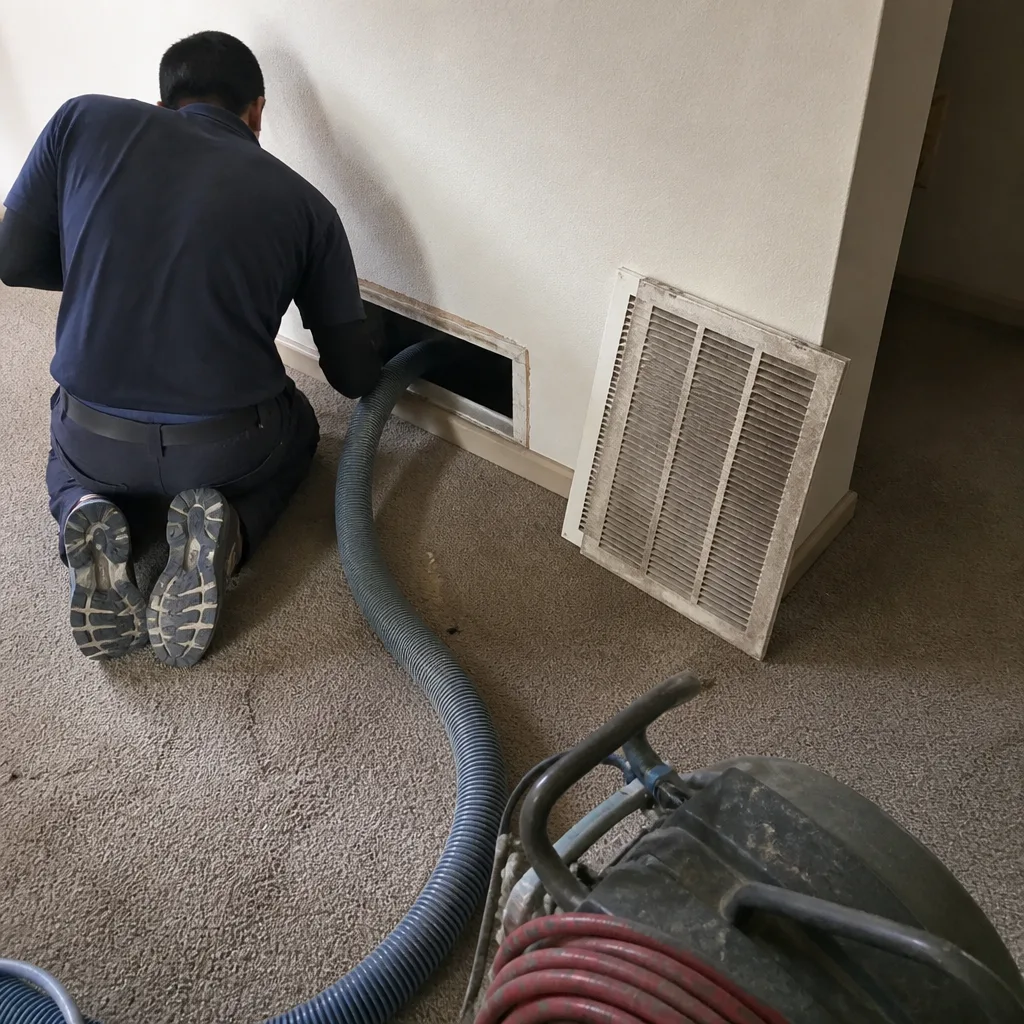
See the difference
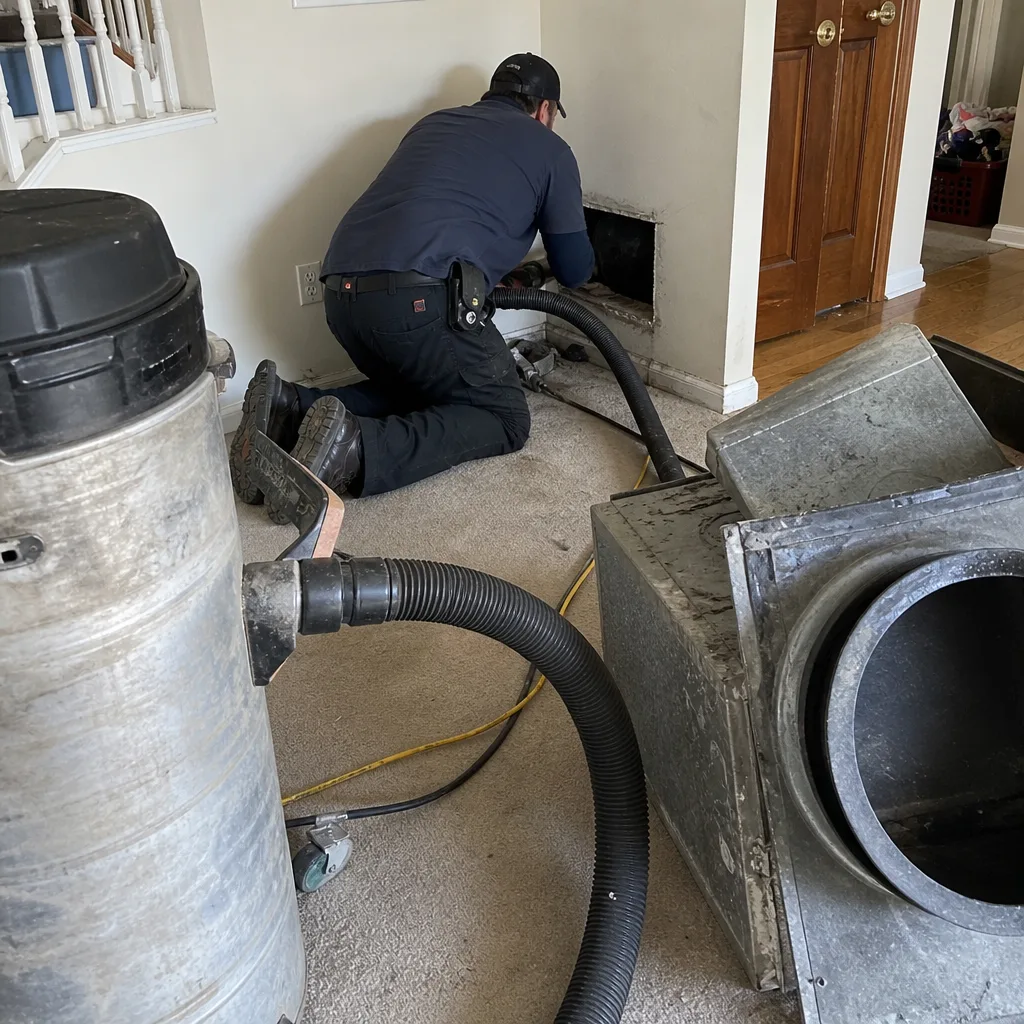 Before
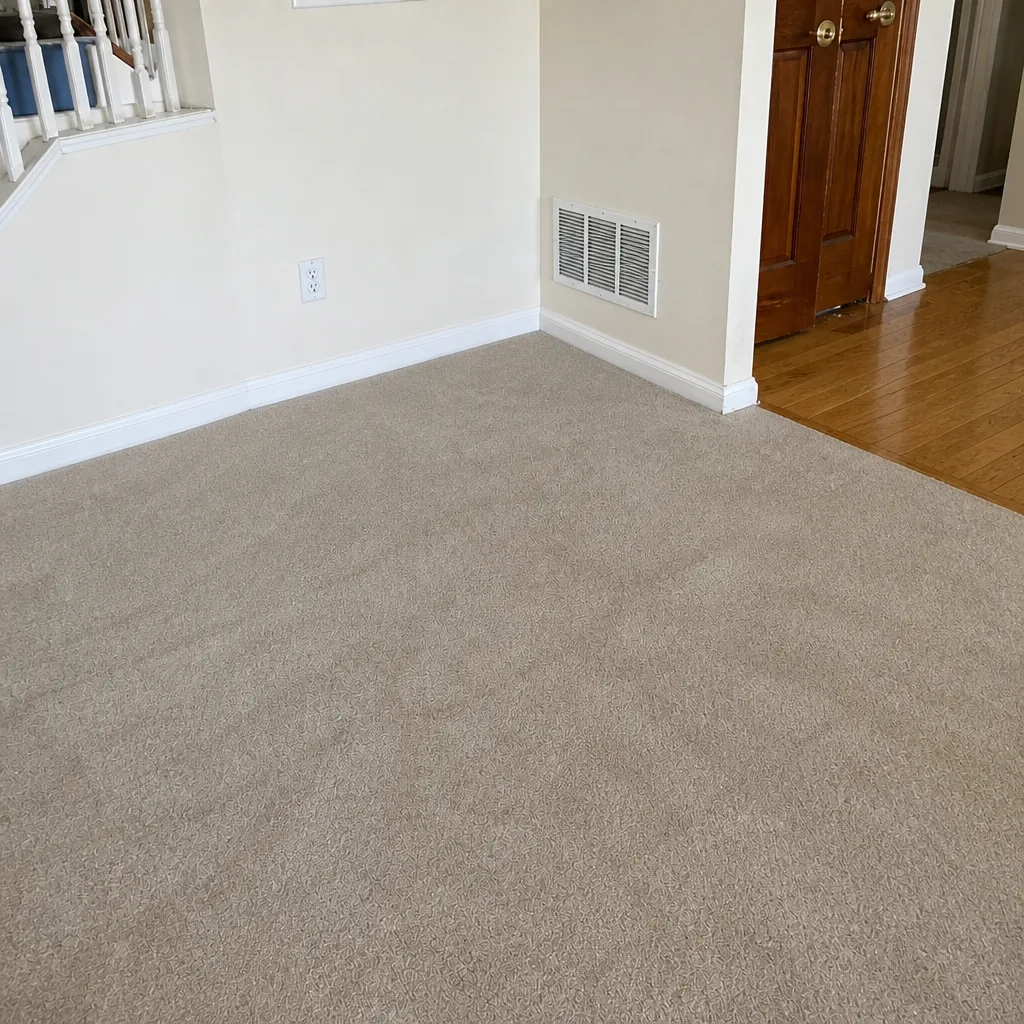 After
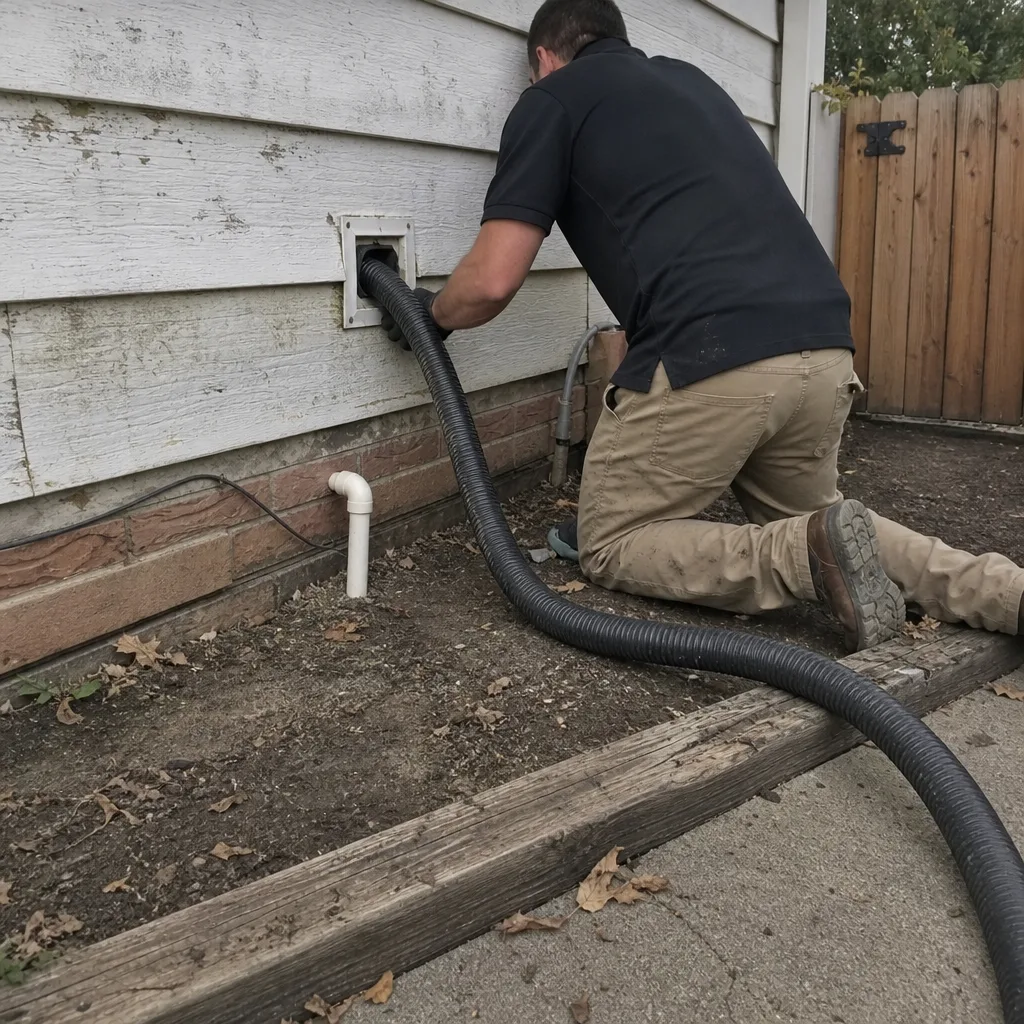 Before
 After
 Before
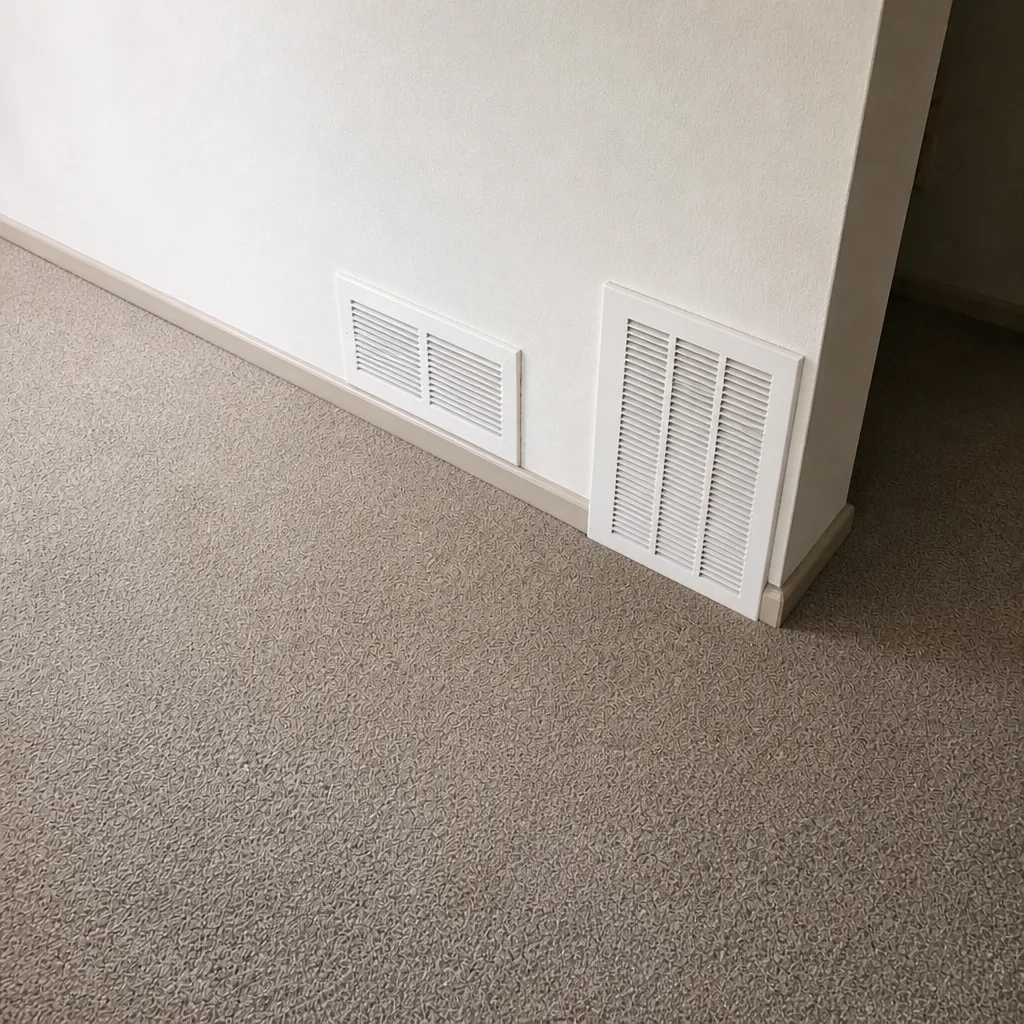 After
When to Call a Professional
Call a professional when any warning sign changes over time rather than staying stable: a room that used to be fine is now weak, a smell appears that wasn’t there, runtime creeps up, or something starts blowing out of a register. Call immediately if you smell burning, see smoke, or see debris that looks like insulation or liner material. Those are safety and repair calls, not cleaning calls, and running the system through them can make the situation worse. For a persistent musty odor, a single weak room, or dust that never settles, a diagnostic visit will tell you whether you’re looking at cleaning, repair, or both. Our technicians have up to 12 years of experience reading these patterns in homes across Arvada. Duct Cleaning Arvada offers free estimates in Arvada, and the written estimate sets the final price per system before any work begins, so there are no surprises when the technician arrives.
Frequently Asked Questions
The most reliable sign is debris blowing out of supply registers at system startup, along with a persistent dust pattern that doesn’t settle after regular cleaning. Dust on a register cover alone is a weak signal, but visible plumes at startup, black flecks, or a musty smell that intensifies when the fan kicks on are strong ones. Call (833) 370-4086 for a free evaluation of what you’re seeing.
One weak room usually means that duct run is restricted, disconnected, or undersized rather than the system being underperforming overall. Common causes are a flex run that sagged or pinched in the attic, a joint that came loose, a shifted damper, or an addition that extended the system without resizing the branch. A camera inspection identifies the specific culprit. Call (833) 370-4086 for a diagnostic visit.
A burning, hot-plastic, or electrical smell that persists past the first cycle is the one to act on. Turn the system off and have it inspected. A musty or earthy smell suggests moisture and biological growth in the system and is worth diagnosing soon, but it’s not an emergency. Any chemical or solvent-like odor that persists through multiple cycles also warrants a professional look. Call (833) 370-4086 to schedule an inspection.
Leaky or restricted ducts can, because the equipment runs longer to deliver the same heating or cooling. Ducts lose conditioned air to unconditioned space and force the blower against higher static pressure, and the result shows up as runtime creep. A duct inspection before an equipment replacement can save you from spending on the wrong fix. Call (833) 370-4086 for a free estimate.
There’s no universal schedule. Homes with pets, recent renovations, allergy concerns, or a history of moisture or pest issues usually need attention sooner than others. A house with no warning signs and a well-sealed, filtered system can go longer between cleanings. Watch for changes in the signs above rather than the calendar. Call (833) 370-4086 if you’re unsure what your system needs.
If the signs are uniform (dust everywhere, a light musty smell, mild runtime creep), cleaning is usually the starting point. If the signs are localized or structural (one weak room, insulation fibers blowing out, staining at a vent, a burning smell), it’s likely a repair problem and needs a technician with repair capability. We clean it. We fix it. Call (833) 370-4086 for a free estimate and we’ll tell you which one your Arvada home actually needs.
The Bottom Line
Most duct warning signs aren’t about dust. They’re about airflow, pressure, and mechanical failure in progress, and the earlier you read them correctly, the cheaper and simpler the fix. Uneven airflow, a specific odor, runtime creep, and staining around vents each point somewhere specific inside the system. Dust alone is the weakest signal. When any of these signs changes over time, that’s your cue to have the system inspected by someone equipped to diagnose and repair, not just clean and leave. See what’s inside your system, identify the real problem, and then choose the right fix. Better air starts with what you can’t see.
Call Duct Cleaning Arvada at (833) 370-4086 for a free estimate. We answer 24/7. Fast dispatch from 7am to 7pm, Sunday through Friday. One flat price per system, agreed before work starts, with before-and-after photos of your own ducts.
Written by the team at Duct Cleaning Arvada.