
Last updated November 14, 2026
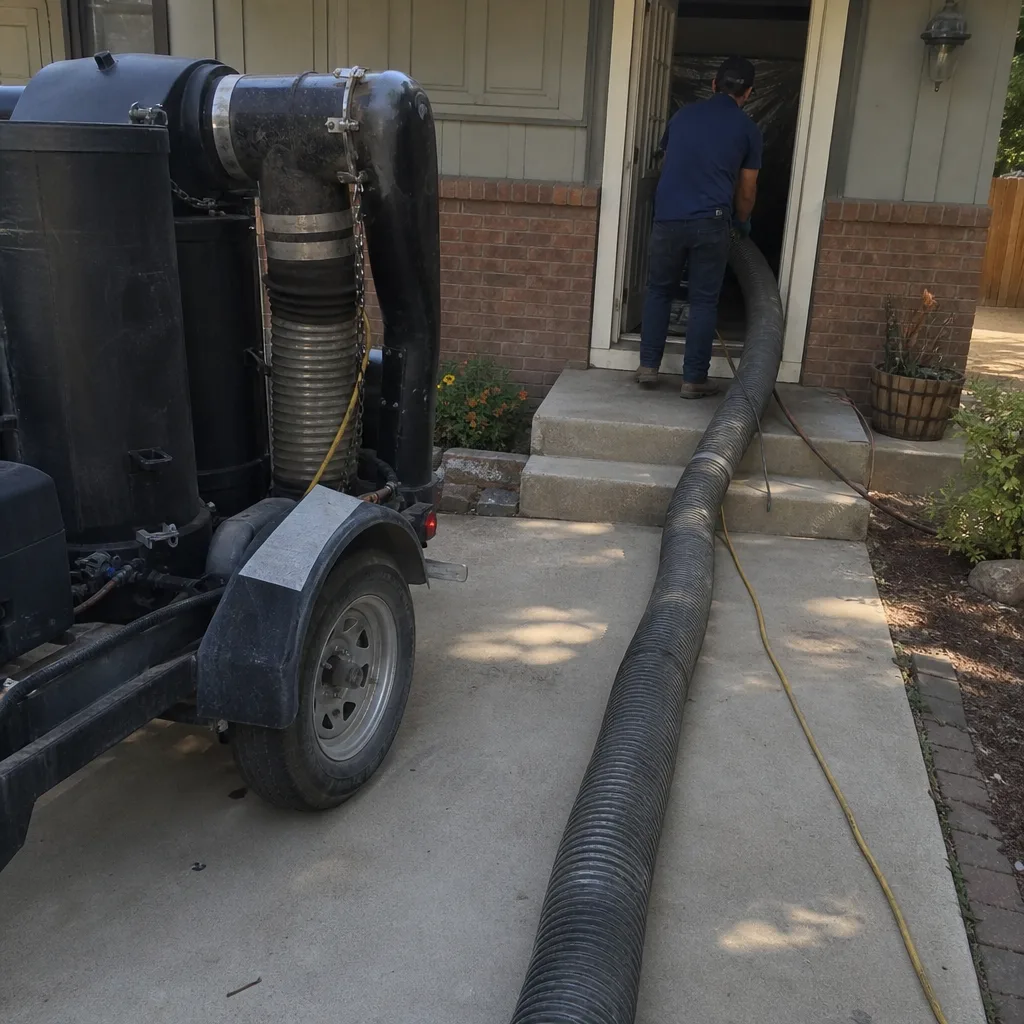
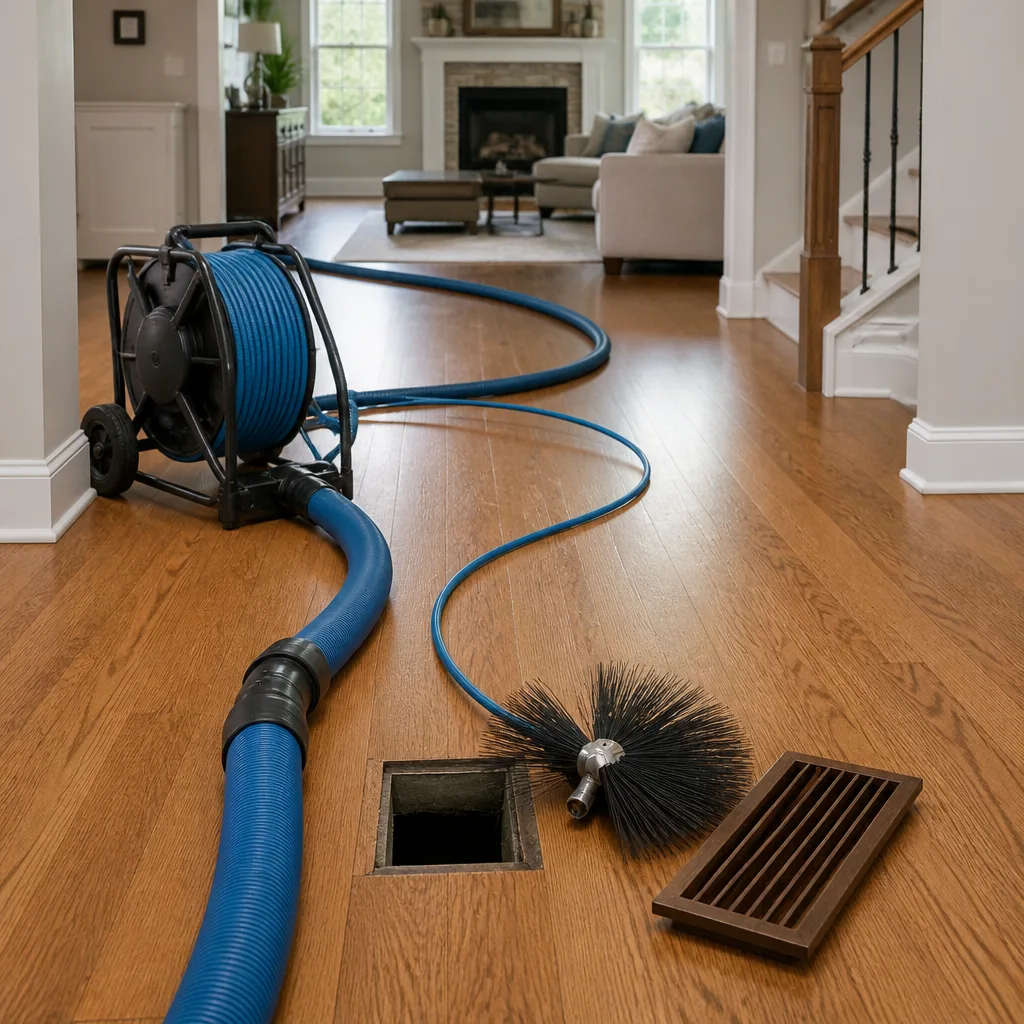 Whole-home duct cleaning
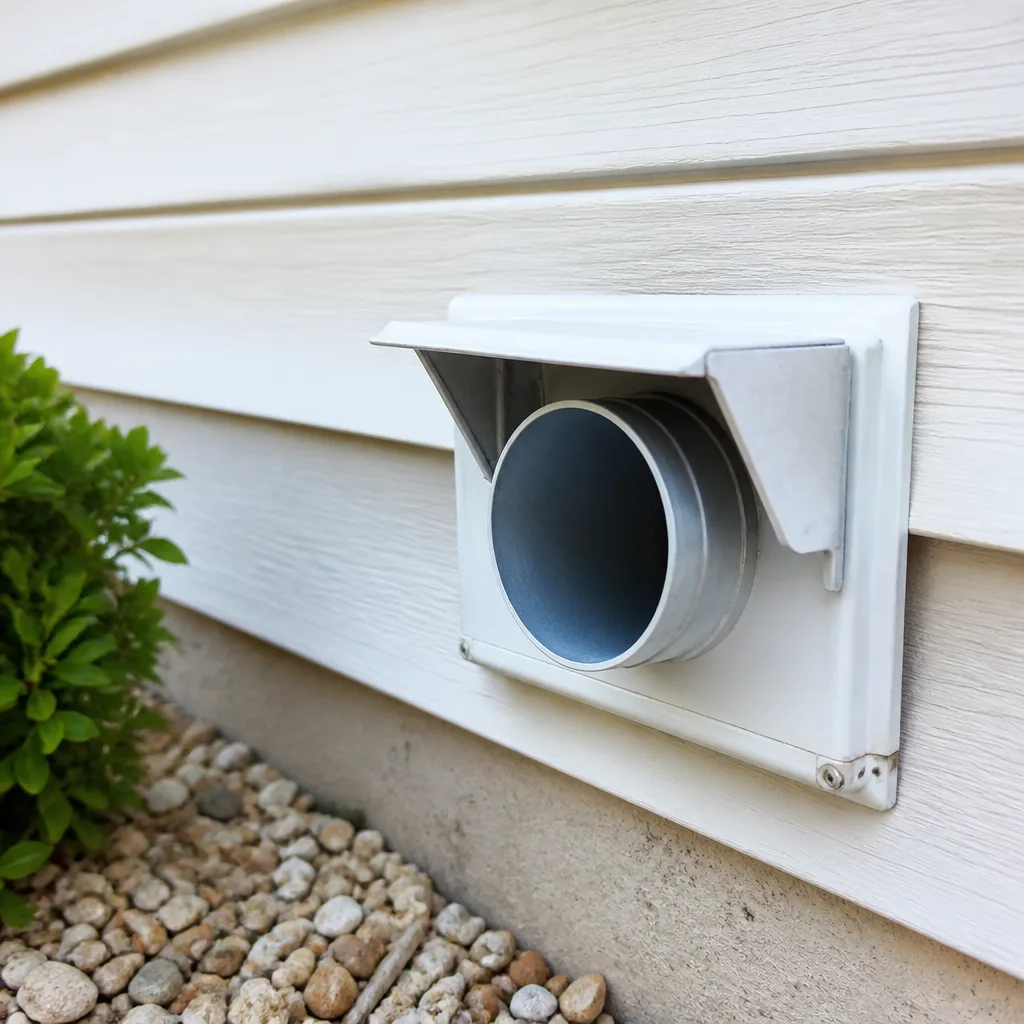 Dryer vent cleaning
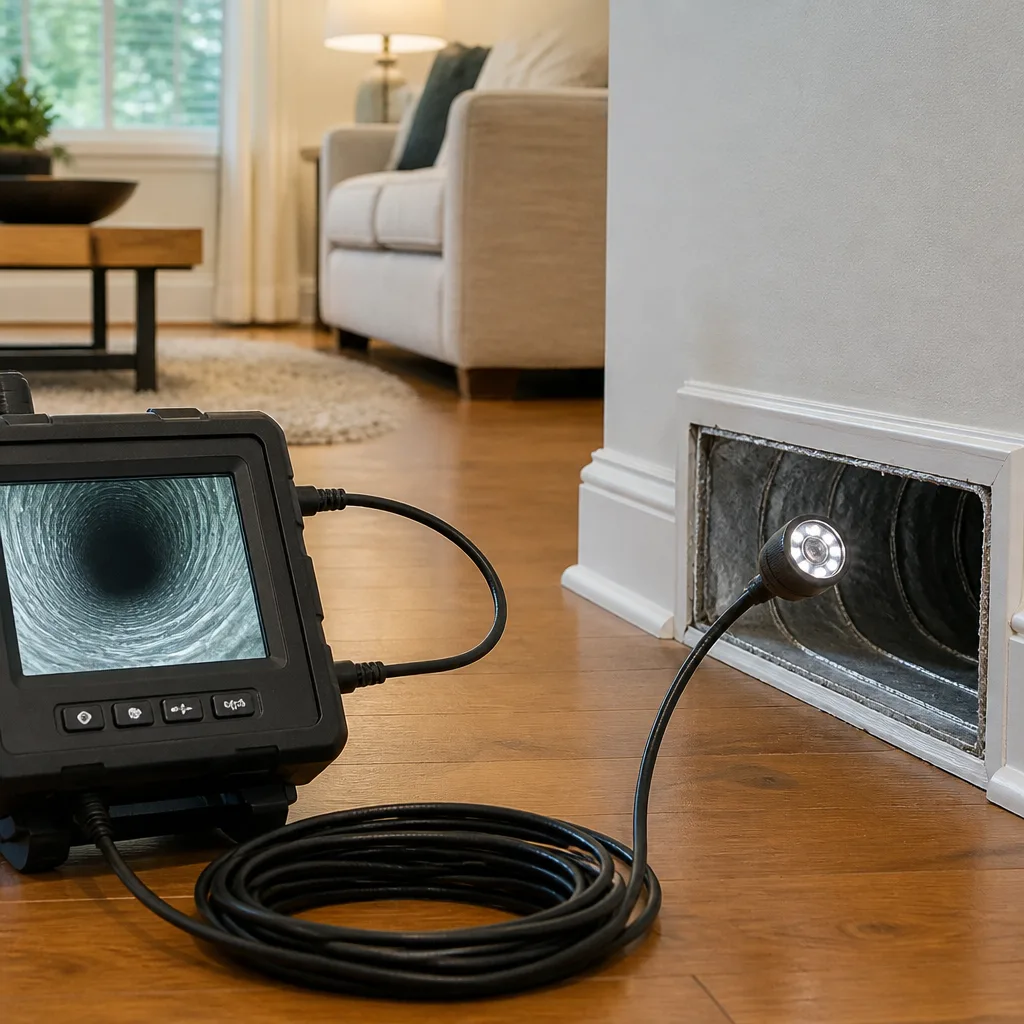 Camera inspection
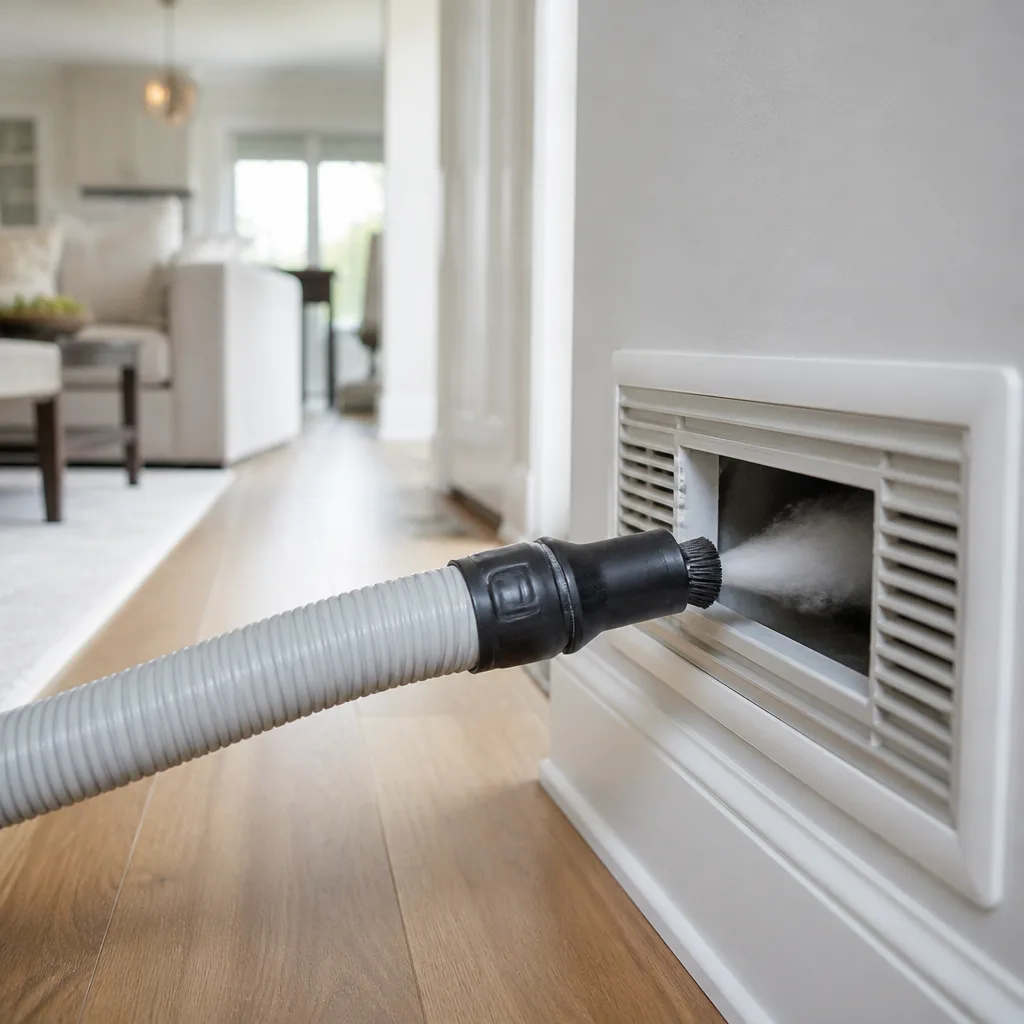 Sanitizing & deodorizing
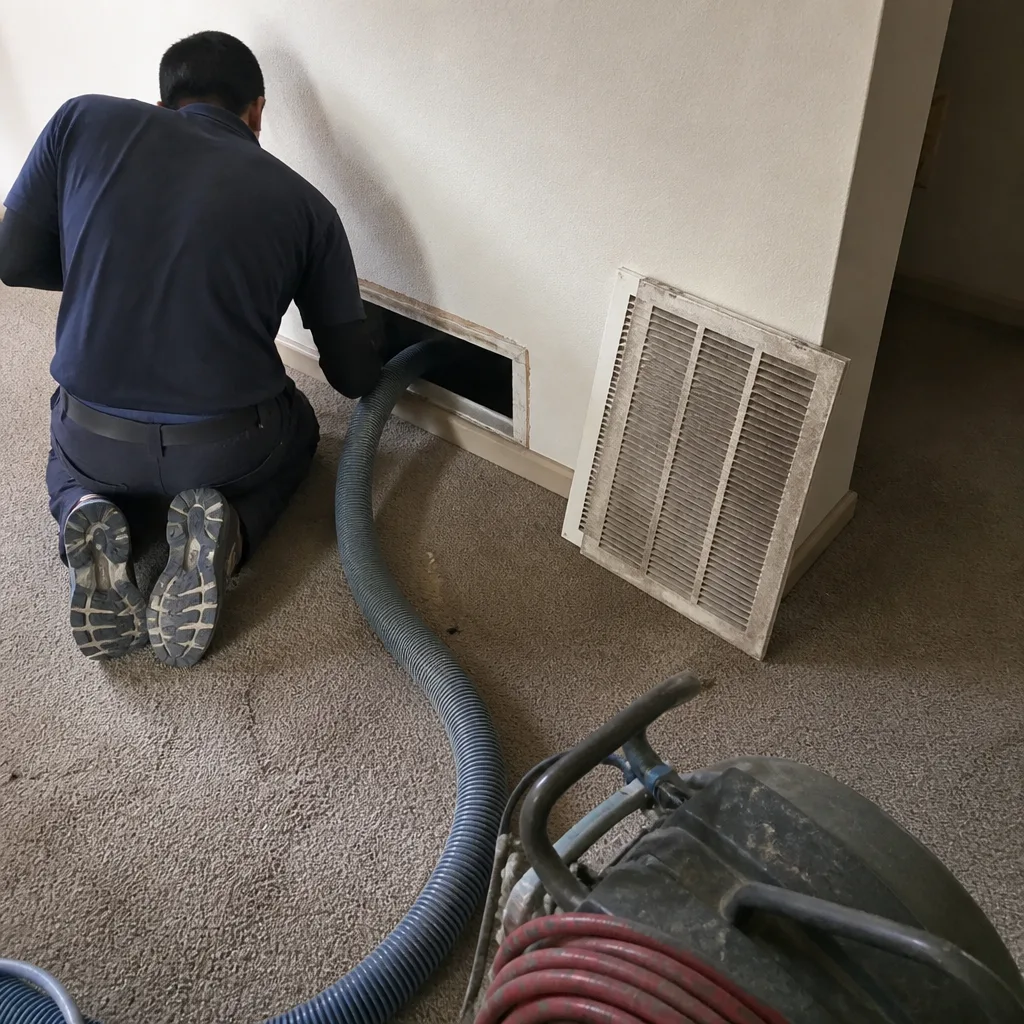
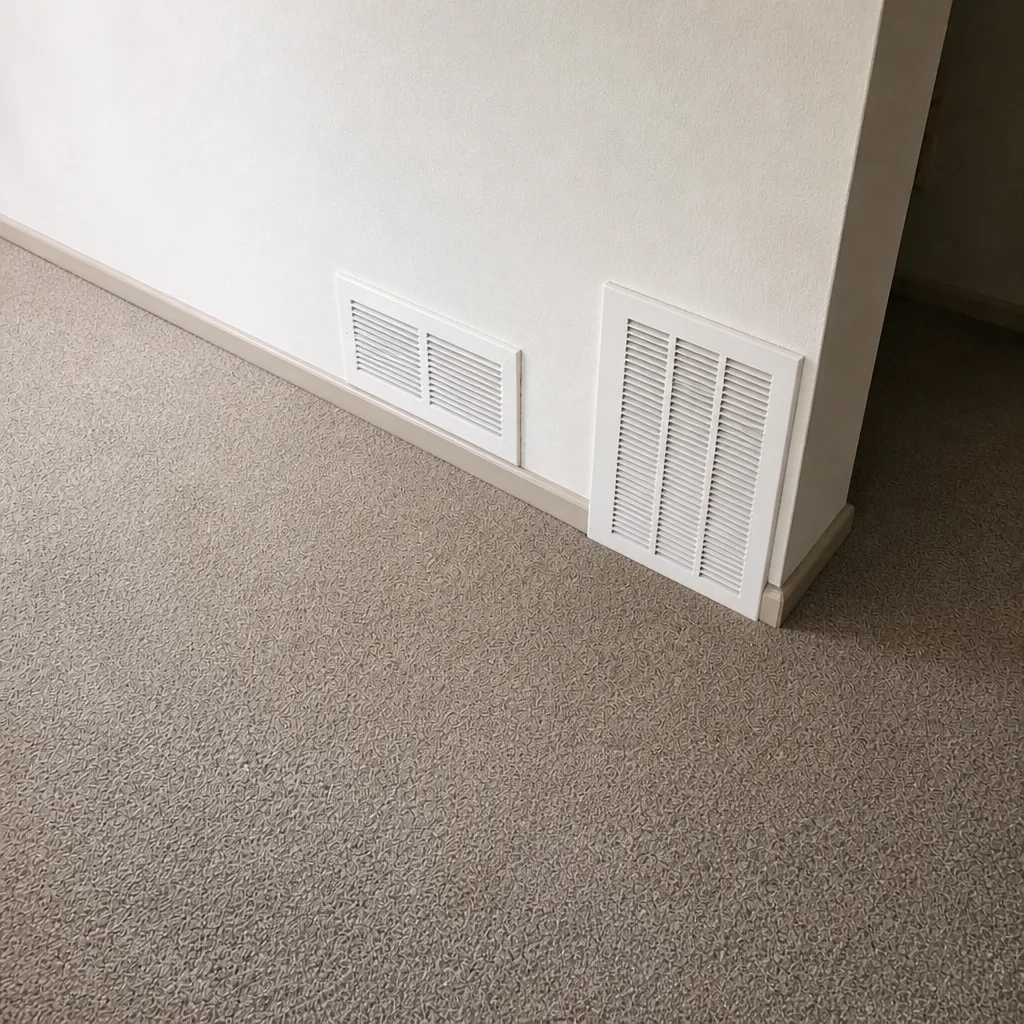
Whole-system duct and dryer vent check with before-and-after photos - you see exactly what came out of your vents
That "$99 whole-house special" is a bait ad - the real number appears once they are in your hallway, or the "clean" is a shop-vac at the register. We photograph the inside of your ducts before and after instead.
The Complete Guide to Air Duct Cleaning in Arvada
Most people hire a duct cleaner expecting a cleaning. What they often need is a diagnosis. A truck-mounted vacuum and a rotating brush can pull years of debris out of a system, but they can’t seal a collapsed flex duct, reconnect a joint that blew apart under pressure, or explain why the same register keeps clogging every few months. In our experience, most Arvada homes have at least one of those problems hiding behind the dust. This guide walks you through what a proper duct cleaning actually involves, why the Front Range climate changes the picture, and how to tell a real restoration job from a quick vacuum-and-go.
Quick Answer
Air duct cleaning in Arvada is a negative-pressure process that uses professional-grade vacuum equipment and rotating brushes to remove debris from every supply and return run, and the best services also inspect and repair the ductwork itself. Expect a whole-system job with before-and-after camera documentation, one flat price per system agreed before work starts no matter how many vents you have, and a technician who accesses every run, not just the easy ones. Cleaning alone doesn’t fix a disconnected or damaged duct, which is why the repair capability matters as much as the cleaning.
Styles & brands we work with
- Whole-home duct cleaning
- Dryer vent cleaning
- Camera inspection
- Sanitizing & deodorizing
Table of Contents
- What air duct cleaning actually means
- How Arvada’s altitude affects your ductwork
- Clean versus functioning: the difference that matters
- The equipment behind a real cleaning job
- What your technician should document
- Dryer vent cleaning and fire safety
- Air duct repair as a core service
- How often ducts really need cleaning in Arvada
What Air Duct Cleaning Actually Means
Air duct cleaning is a mechanical process that relies on negative pressure: a powerful vacuum pulls air and debris out of the duct system while rotating brushes and air whips loosen material from the walls. The vacuum has to be strong enough to hold the ductwork under continuous suction, and the access points have to be cut in the right places so the brush can reach every run. When those two conditions aren’t met, debris gets stirred up and settles back where it started.
Professional systems are rated by airflow, usually in cubic feet per minute (CFM). Underpowered portables with a shop-vac motor simply can’t maintain enough suction across a whole-house system, especially the long trunk lines that feed bedrooms at the far end of the house. A proper setup uses a vacuum with enough CFM to hold the entire system under negative pressure and enough hose length to reach the farthest return without losing pull.
The access point placement matters just as much. A technician should be cutting ports near the plenum, at each main branch, and at the far end of long runs so the brush can travel the full length of the duct. If the only access is at the furnace, half the system never gets touched. When we handle air duct cleaning for a home, the goal is comprehensive coverage of every supply and return, not just the trunk near the equipment.
- Continuous negative pressure throughout the cleaning
- Access points at the plenum, branch junctions, and far ends of runs
- Rotating brush and air whip tools sized to the duct diameter
- Containment so loosened debris doesn’t enter living space
- Camera inspection before and after for verification
The sequence of a proper job usually goes like this:
- Inspect the system with a camera scope to identify debris, damage, and disconnections
- Set up containment and connect the vacuum to the main trunk
- Cut access ports where the ductwork needs them
- Run rotating brushes and air whips through each branch in sequence
- Clean the plenum, registers, and any return chases
- Reseal every access port and confirm the system holds pressure
- Show the homeowner before-and-after footage of each major run
How Arvada’s Altitude Affects Your Ductwork
Arvada sits at roughly 5,300 feet above sea level, and that number changes the way an HVAC system behaves. At higher altitude, air is thinner. A blower motor that was sized for sea-level performance moves less mass of air per cubic foot, and the pressure balance between supply and return runs shifts. In practical terms, duct systems in Arvada homes often run at slightly different static pressures than the same equipment would at lower elevations, which can make leaks and weak joints more noticeable.
What that means for cleaning frequency is less about dust and more about how the system handles itself. A duct that’s slightly loose at a joint on a sea-level system might stay put; at altitude, the pressure differential can work that joint loose over time. Homeowners here often notice uneven airflow before they notice dust, and that’s usually a sign the ductwork has shifted, not just collected debris.
The dry Front Range air matters too. Arvada sees low humidity through much of the year, which keeps dust and debris dry and prone to becoming airborne. Dry debris is lighter, moves more easily through the system, and settles into the same registers repeatedly if the source isn’t addressed. That’s one reason a clean duct and a properly balanced duct aren’t the same thing.
Practically speaking, Arvada homeowners should think about cleaning on a schedule that accounts for both the local climate and their own household: pets, allergies, recent renovation, or a recent move into an older home. For a deeper look at the specific city service, see our Arvada page.
Clean Versus Functioning: The Difference That Matters
A clean duct is a duct with no debris inside. A functioning duct is a duct that carries the air it’s supposed to where it’s supposed to go without leaking, collapsing, or disconnecting. Cleaning addresses the first. Diagnosis and repair address the second. A service that only cleans can leave a homeowner with a spotless system that still doesn’t heat the back bedroom.
In our experience, the three structural problems we find most often during a cleaning visit are leakage, disconnection, and lining damage. Here’s how each shows up:
- Leakage: gaps at joints, seams, or where flex duct meets metal. It shows up as reduced airflow downstream and higher energy bills. A technician can usually spot it with a smoke test or a pressure reading.
- Disconnection: a flex duct that has come loose from a takeoff or a boot. It shows up as one register blowing almost nothing while the rest of the house works fine.
- Lining damage: interior insulation that has torn, sagged, or come loose. It shows up as fiberglass particles in the register area and a persistent musty or dusty smell.
None of those problems are fixed by a vacuum. They need the technician to access the duct, repair or replace the section, reseal it, and confirm airflow. That’s the “we clean it, we fix it” difference: the same visit that removes the debris also addresses what the debris was hiding. When we handle duct cleaning in Arvada, the camera inspection happens before the cleaning so we know what we’re walking into, not after.
Why does this matter for a homeowner’s wallet? Because the most expensive duct problems tend to be the ones that go unidentified for years. A disconnected flex duct running in an unconditioned crawl space or attic blows heated air into the void for a full season before anyone notices the energy bill climb. Identifying it during a cleaning visit costs far less than discovering it after a replacement.
The Equipment Behind a Real Cleaning Job
The equipment list on a proper duct cleaning truck is specific for a reason. Each piece exists to solve a real problem in the job, and when a service is missing one of them, the results show up in the ductwork. Here’s what a professional-grade setup includes and why.
Rotobrush and Nikro systems. These are purpose-built duct cleaning tools, not repurposed shop vacuums. Rotobrush systems use rotating brushes and a HEPA-filtered vacuum to agitate and capture debris in one pass. Nikro systems provide high-CFM negative pressure and a range of brushes and whips sized to different duct diameters. Using both gives the technician the right tool for what’s actually in your ducts, whether that’s a soft flex line or a hard metal trunk.
Abatement Technologies containment. Containment and extraction equipment captures contaminants at the source rather than loosening them into the air. When a system has a heavy buildup or a microbial issue, that equipment makes the difference between cleaning and spreading the problem. We use Abatement Technologies filtration and containment on every job for that reason.
Honeywell and Aprilaire filtration. These are names most homeowners recognize from thermostats and humidifiers, and both companies make whole-home indoor air quality products that integrate with existing HVAC systems. When a cleaning reveals that the real issue is filtration, the technician can recommend an upgrade that keeps the ducts cleaner for longer instead of just cleaning again next year.
Guardsman surface protection. Duct cleaning involves a vacuum hose running through the house and access ports being cut and resealed. Guardsman-backed surface protection practices exist to keep floors, walls, and furniture protected during that work.
What Your Technician Should Document Before and After
Every duct cleaning should produce documentation, and the most useful documentation is camera footage of the inside of the system before and after the work. The camera scope is a small, flexible inspection camera that runs down a duct and records what’s actually in there: dust buildup, debris, pest activity, torn lining, disconnected joints, moisture. Without footage, a homeowner is asked to take the technician’s word for it.
Here’s what a homeowner should expect to see when the job is done:
- Camera footage of each major supply run before cleaning, showing the debris level
- Camera footage of the same runs after cleaning, showing the duct wall condition
- Footage of any structural issue found during inspection (leak, disconnection, lining damage)
- A written summary of what was cleaned and what was repaired
- Recommendations for filtration, repair, or follow-up if something was found but not addressed
Why does the footage matter beyond the immediate job? Because it becomes a reference for future HVAC decisions. If a system has a section of flex duct that’s already showing wear, the footage gives a future technician a baseline. If a homeowner is deciding whether to repair or replace a section, the footage shows what’s actually there. “See what’s inside your system” isn’t a marketing line; it’s a practical tool that outlasts the cleaning itself.
Homeowners should keep the footage and ask for it in writing. A reputable service will share it without being asked twice, and a service that won’t produce footage is a service with something to hide.
Dryer Vent Cleaning and Fire Safety
Dryer vent cleaning is a separate service from duct cleaning, with its own equipment and its own risk profile, and it’s worth taking just as seriously. A clogged dryer vent is a documented leading cause of residential house fires: lint builds up inside the vent run, restricts airflow, and eventually contacts the heat source. The U.S. Fire Administration has long tracked dryer fires as a preventable hazard, and most involve failure to clean the vent.
Signs a dryer vent needs cleaning:
- Clothes take noticeably longer to dry than they used to
- The dryer feels hot to the touch during a normal cycle
- A burning or musty smell is noticeable near the dryer
- Lint is visible around the lint trap housing or the outside vent
- It’s been more than a year since the vent was last cleaned
Dryer vent runs in Arvada homes vary widely. Short, straight runs behind a laundry room are easy to clean. Long runs through a wall and up through a roof, common in split-level and two-story homes across Arvada, need flexible rods and a rotary brush to reach the full length. We treat dryer vent cleaning as a dedicated service rather than a tack-on for that reason: the equipment and the set-up are different, and the safety stakes are higher.
Air Duct Repair as a Core Service
Air duct repair is a core service, not a referral and not an upsell. That matters because the problems that most need fixing (a disconnected flex duct, a crushed section, a torn lining, a joint that no longer holds) are exactly the problems a cleaning-only service finds and then walks away from. We handle the diagnostics, the cleaning, and the repair on the same visit.
What repair work typically involves:
- Reconnecting: reseating a flex duct to its takeoff and properly securing it with tape and mastic rated for HVAC use
- Replacing: swapping out crushed or torn sections of flex duct with properly sized replacement
- Sealing: closing leaks at joints, seams, and connections with mastic or foil tape
- Rerouting: fixing runs that were originally installed with sharp turns that restrict airflow
- Insulating: repairing or adding insulation where ducts pass through unconditioned spaces
The camera scope is what makes this possible. Without seeing inside the system, the technician can’t confirm a repair was needed in the first place. With it, the conversation shifts from “we should probably replace this” to “here’s the section, here’s what’s wrong, here’s what it will cost to fix.” One flat price per system, agreed before work starts, with before-and-after photos of the homeowner’s own ducts.
How Often Ducts Really Need Cleaning in Arvada
There’s no single answer that fits every home, and any service that quotes one is guessing. The honest answer is that frequency depends on what’s in the house and how the system is being used. The National Air Duct Cleaners Association (NADCA) recommends inspection when specific conditions apply rather than a fixed calendar:
- You’ve recently moved into a home and don’t know the cleaning history
- The home has been through renovation or remodeling
- There’s been water intrusion, mold, or a pest issue in the ductwork
- A pet or a smoker has lived in the home
- Family members have allergies, asthma, or other respiratory conditions
- Dust appears on registers or surfaces faster than usual
Beyond those triggers, most homes in Arvada benefit from an inspection every few years. Dry Front Range air keeps dust airborne longer, and homes with pets or near busy roads will accumulate debris faster than homes without. If you’ve had the ducts cleaned before and the same register keeps clogging, that’s not a cleaning-frequency problem; that’s usually an airflow problem, and the answer is diagnosis, not another visit.
For a look at duct cleaning across the broader area, our main duct cleaning page covers the general service.
Common Mistakes to Avoid
- Hiring on coupon price alone. A low coupon price is usually the entry figure; the invoice that follows is not. Ask for one flat price per system before work starts and a written estimate, not a per-vent quote that surprises you later.
- Skipping the camera inspection. A cleaning without a camera scope can’t tell you what’s actually in the system, and it can’t reveal leakage, disconnection, or lining damage that should be addressed. It’s a cleaning without a diagnosis.
- Accepting a cleaning that only touches some of the ducts. If every supply and return register wasn’t accessed, the job wasn’t complete. Uneven airflow after a cleaning usually means half the system was skipped.
- Ignoring a “small” airflow problem. A register that’s always been weak is a symptom, not a personality trait. In Arvada’s altitude, airflow differences often signal a joint that’s opened up or a duct that’s crushed.
- Skipping the dryer vent. Dryer vent cleaning is separate and just as important. Lint buildup in the vent run is a documented fire hazard, and it’s invisible from the laundry room.
- Believing a truck-mounted vacuum alone is enough. Suction without the right access points and brushes can’t reach every run. The tools matter, and so does the planning that goes into where the ports are cut.
- Not asking for the after-photos. Any service should be willing and able to show before-and-after footage of the inside of your ducts. If it can’t, the work didn’t happen the way you were told.
See the difference
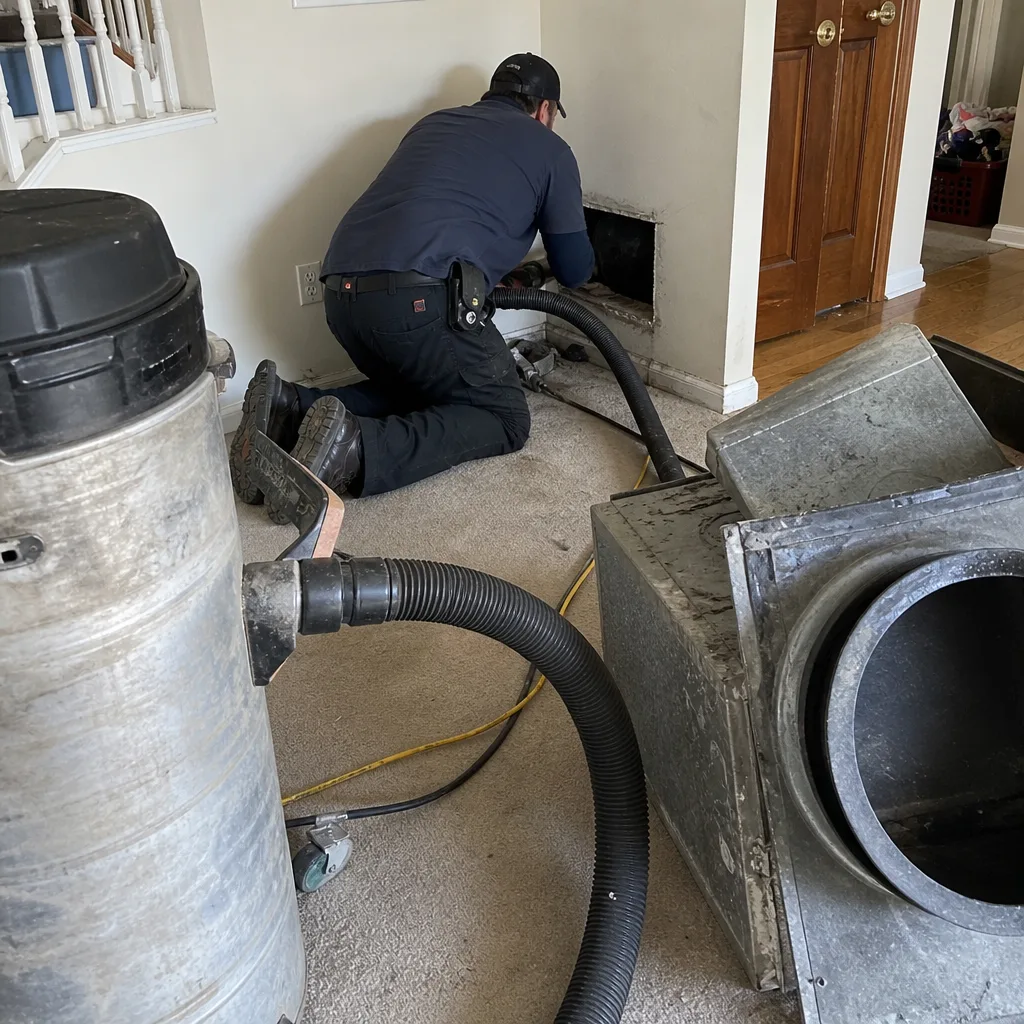 Before
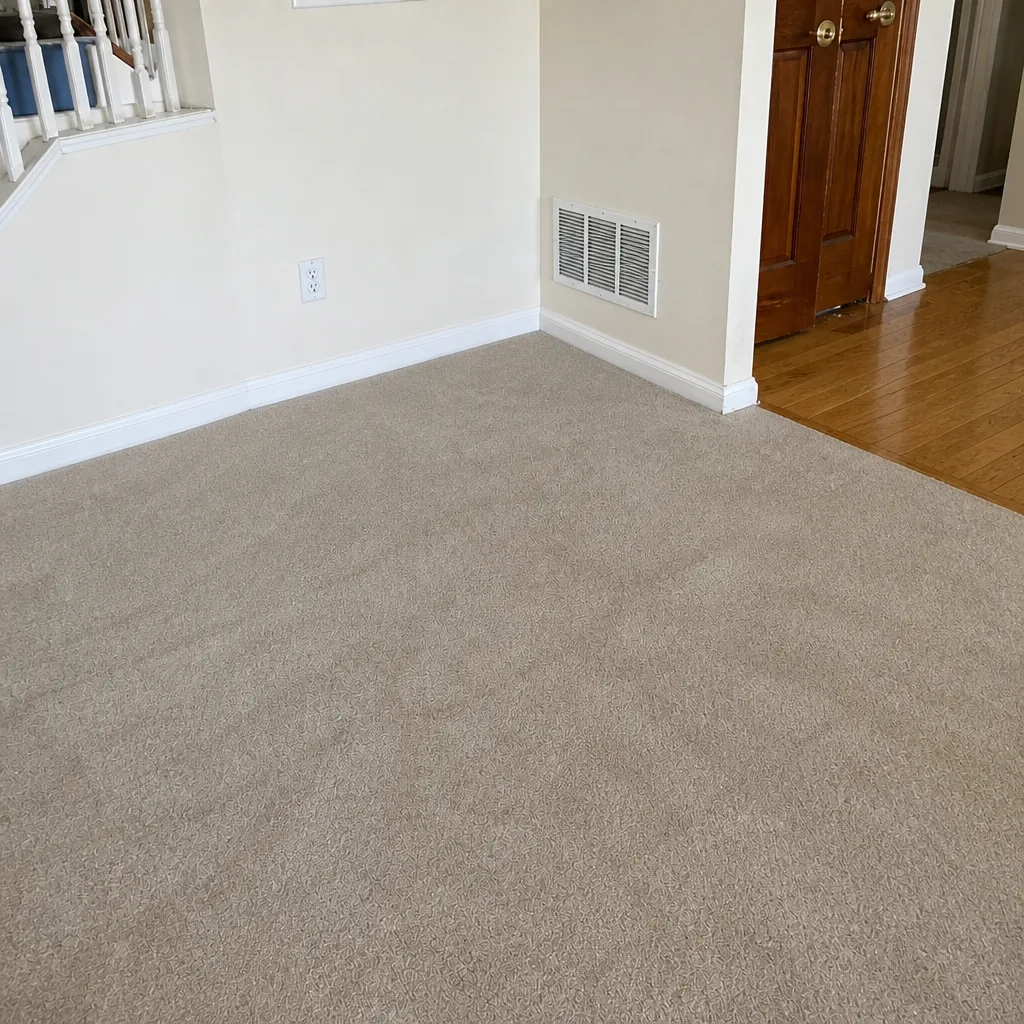 After
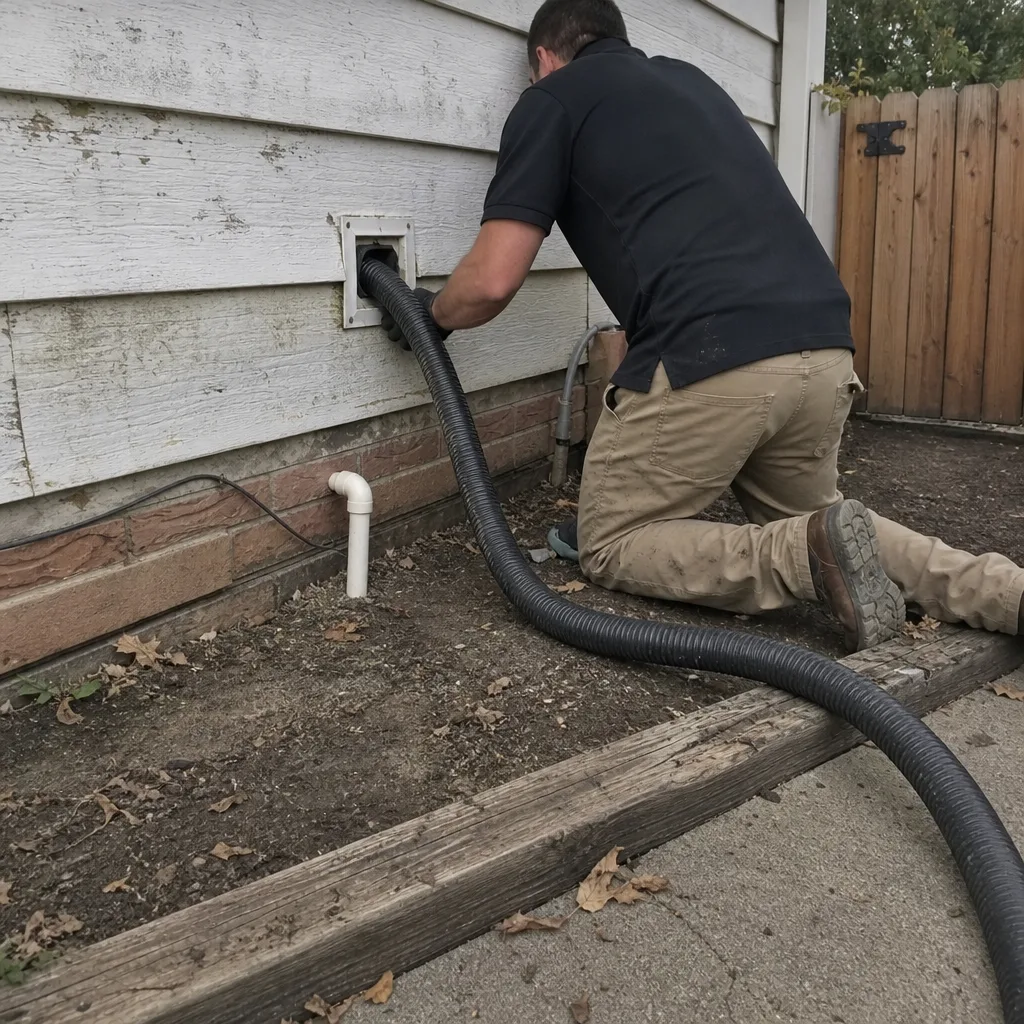 Before
 After
 Before
 After
When to Call a Professional
Call a professional when the signs point to a system problem, not a cleaning problem. Persistent dust on registers and surfaces, a musty smell that doesn’t clear after cleaning the filter, uneven heating or cooling between rooms, and noticeably higher energy bills are all reasons to get a camera inspection. The same holds if you’ve just moved into a home and don’t know the history, finished a renovation, or you can’t remember the last time the dryer vent was cleaned. Those are red flags that deserve a diagnostic look, not a wait-and-see. Duct Cleaning Arvada offers free estimates in Arvada. Call (833) 370-4086. We answer 24/7. Fast dispatch from 7am to 7pm, Sunday through Friday.
Frequently Asked Questions
Air duct cleaning in the Arvada area is priced per system by written estimate, based on the size and layout of your ductwork, the level of buildup, and any repairs needed. We give one flat price per system agreed before work starts, and before-and-after photos of your own ducts so you can see the work. Call (833) 370-4086 for a free estimate. We answer 24/7. Fast dispatch from 7am to 7pm, Sunday through Friday.
Cheap quotes usually reflect what’s not included: camera inspection, access port placement, containment, repair capability, and after-cleaning documentation. A per-vent quote can also climb quickly once the technician is on site. Ask what the price includes before you book, and ask for the flat price per system in writing.
Before-and-after camera footage of your own ducts is the standard. Ask for footage of each major supply and return run, a written summary of what was cleaned, and any repair notes. A legitimate service provides this without being asked. Ours does.
There’s no fixed interval; frequency depends on pets, allergies, renovation, water intrusion, and whether the home has ever been cleaned. At Arvada’s altitude, airflow differences are often a sign of duct issues rather than debris, so a camera inspection is more useful than a calendar. If the same register keeps clogging, that’s a diagnosis problem, not a cleaning-frequency problem.
At around 5,300 feet, thinner air changes the pressure balance inside an HVAC system, which can stress joints and make leaks more noticeable. It also keeps dust dry and airborne longer. In practice, that means Arvada homeowners should pay attention to airflow issues, not just dust.
Yes. Dryer vent cleaning is a dedicated service separate from duct cleaning, using the equipment the vent length actually requires. A clogged dryer vent is a documented fire hazard, so it’s worth doing on its own schedule rather than waiting for a duct cleaning. Call (833) 370-4086 to add it to your visit or schedule it on its own.
The Bottom Line
A duct cleaning is only as good as the diagnosis behind it. The truck-mounted vacuum and the rotating brush do the removal; the camera inspection and the repair capability are what turn a cleaning into a solution. In Arvada’s high-altitude, dry climate, airflow problems often show up long before dust does, and a proper service should catch them on the same visit. Ask for one flat price per system in writing, before-and-after footage of your own ducts, and a technician who accesses every run and fixes what’s broken. That’s what separates a real restoration job from a quick pass with a vacuum.
Our technicians have up to 12 years of experience. Call Duct Cleaning Arvada at (833) 370-4086 for a free estimate. We answer 24/7. Fast dispatch from 7am to 7pm, Sunday through Friday.
Written by the team at Duct Cleaning Arvada.