
Last updated November 14, 2026
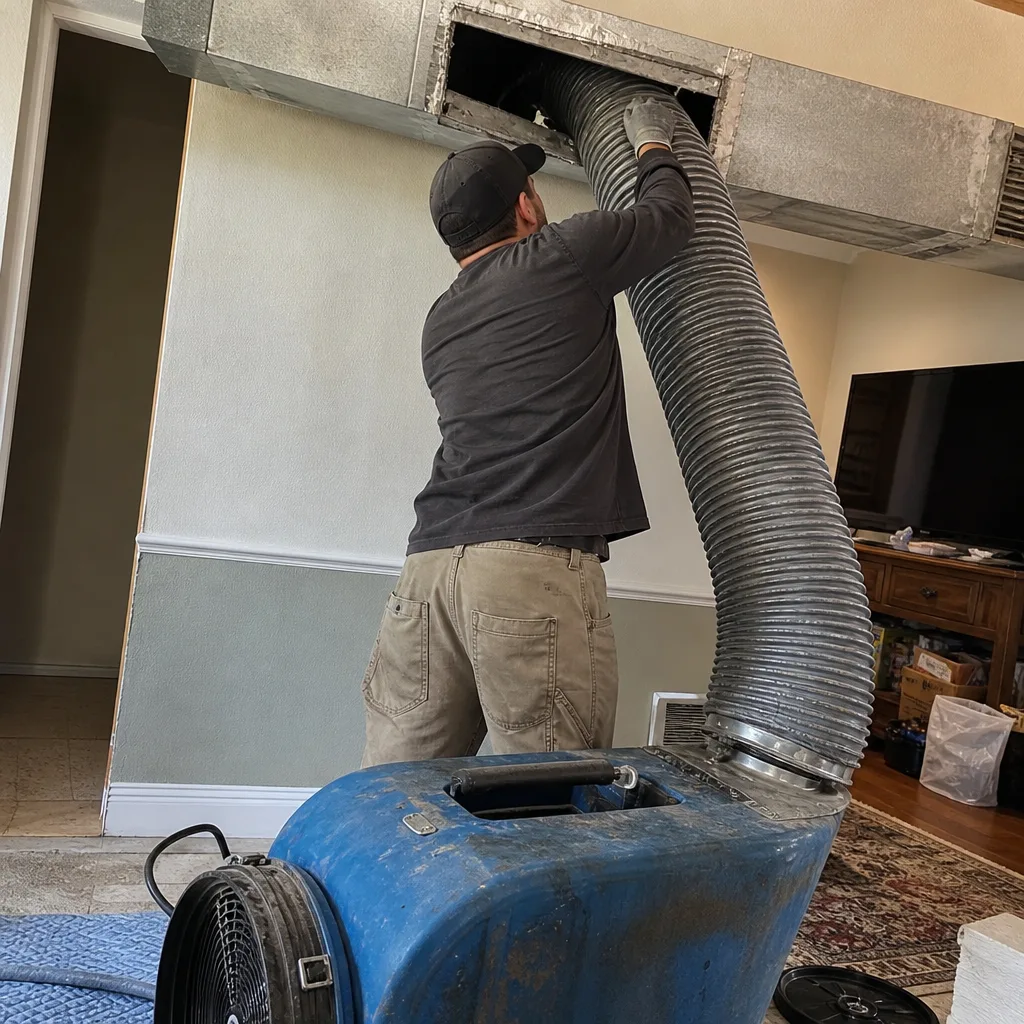
 Whole-home duct cleaning
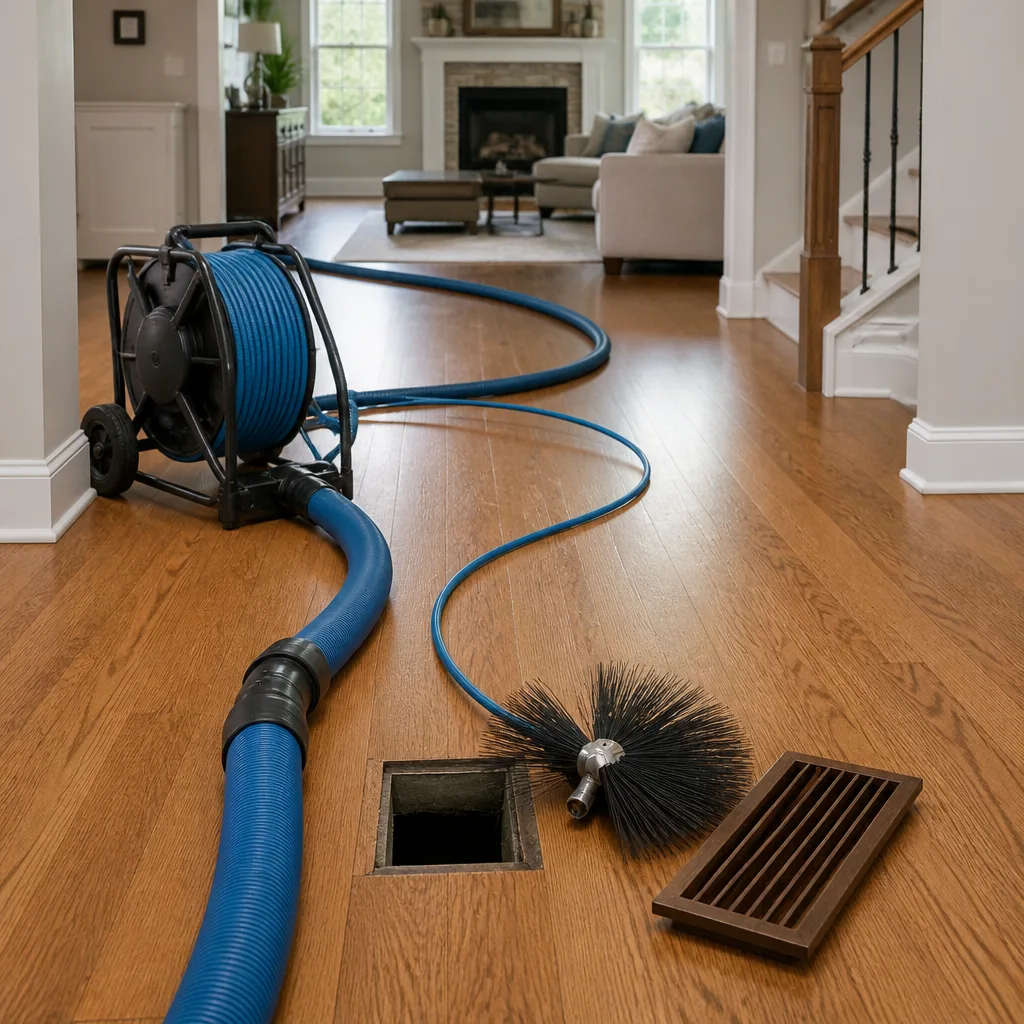
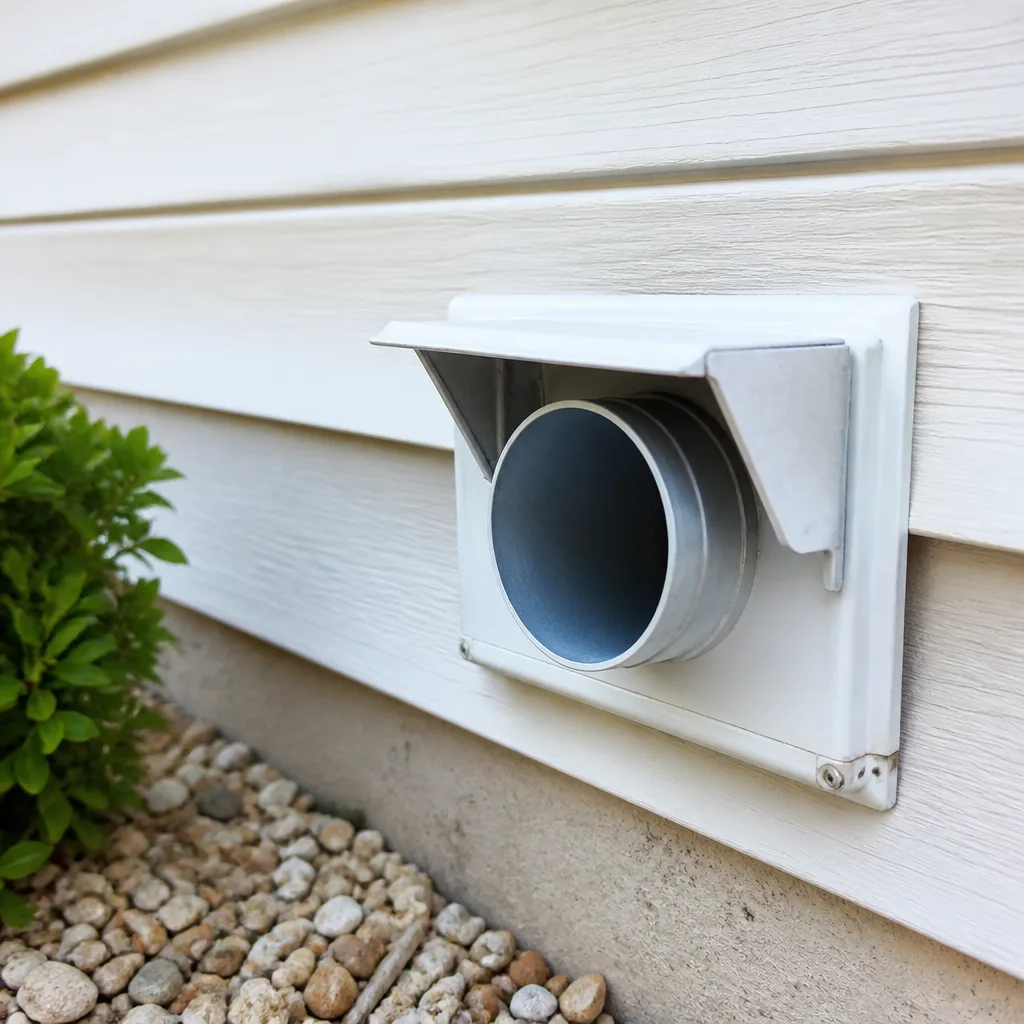 Dryer vent cleaning
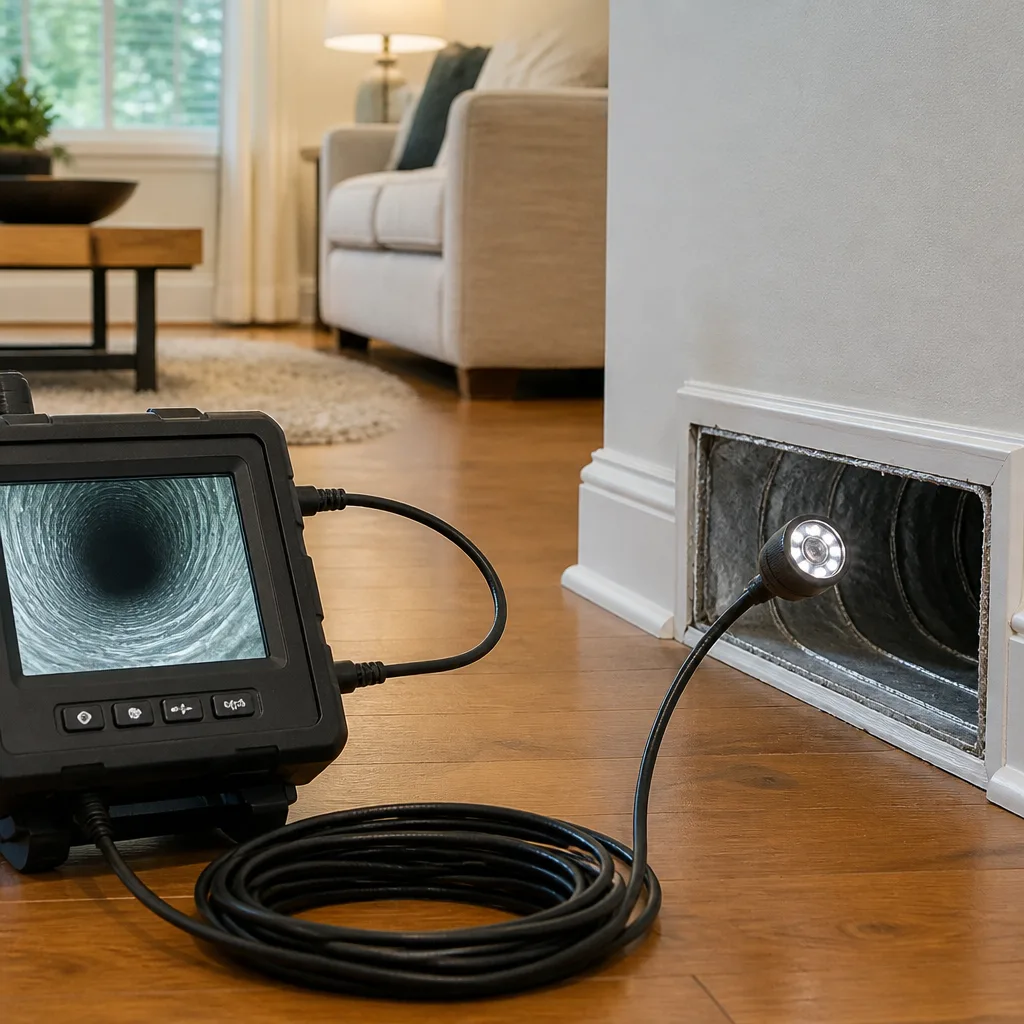 Camera inspection
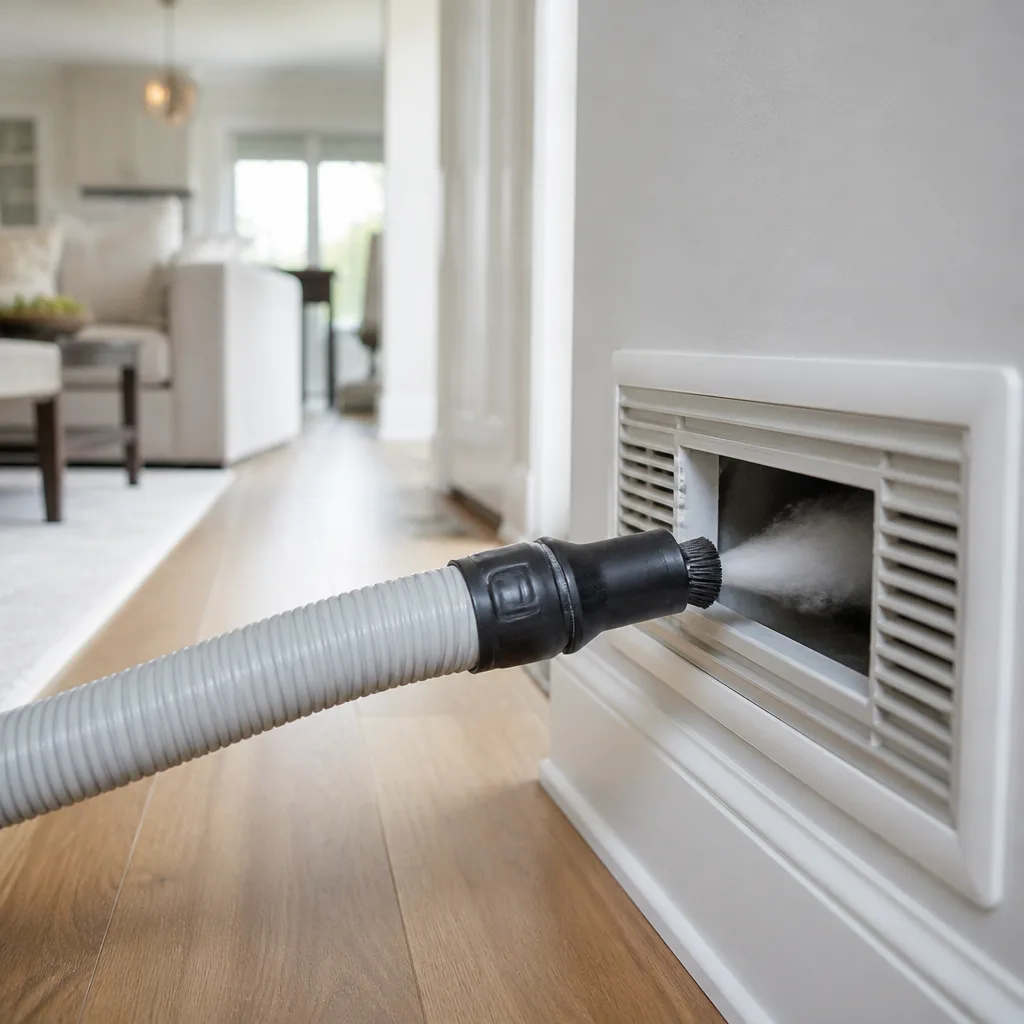 Sanitizing & deodorizing
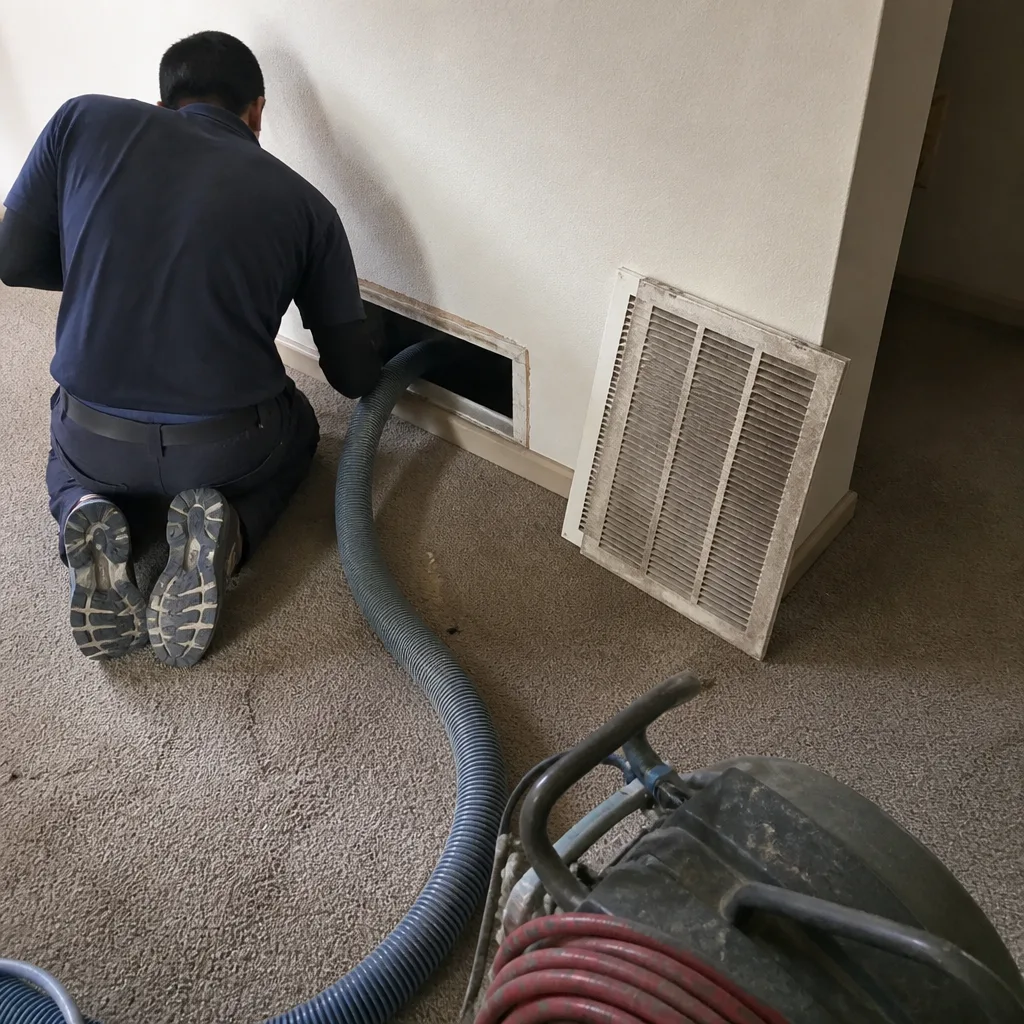
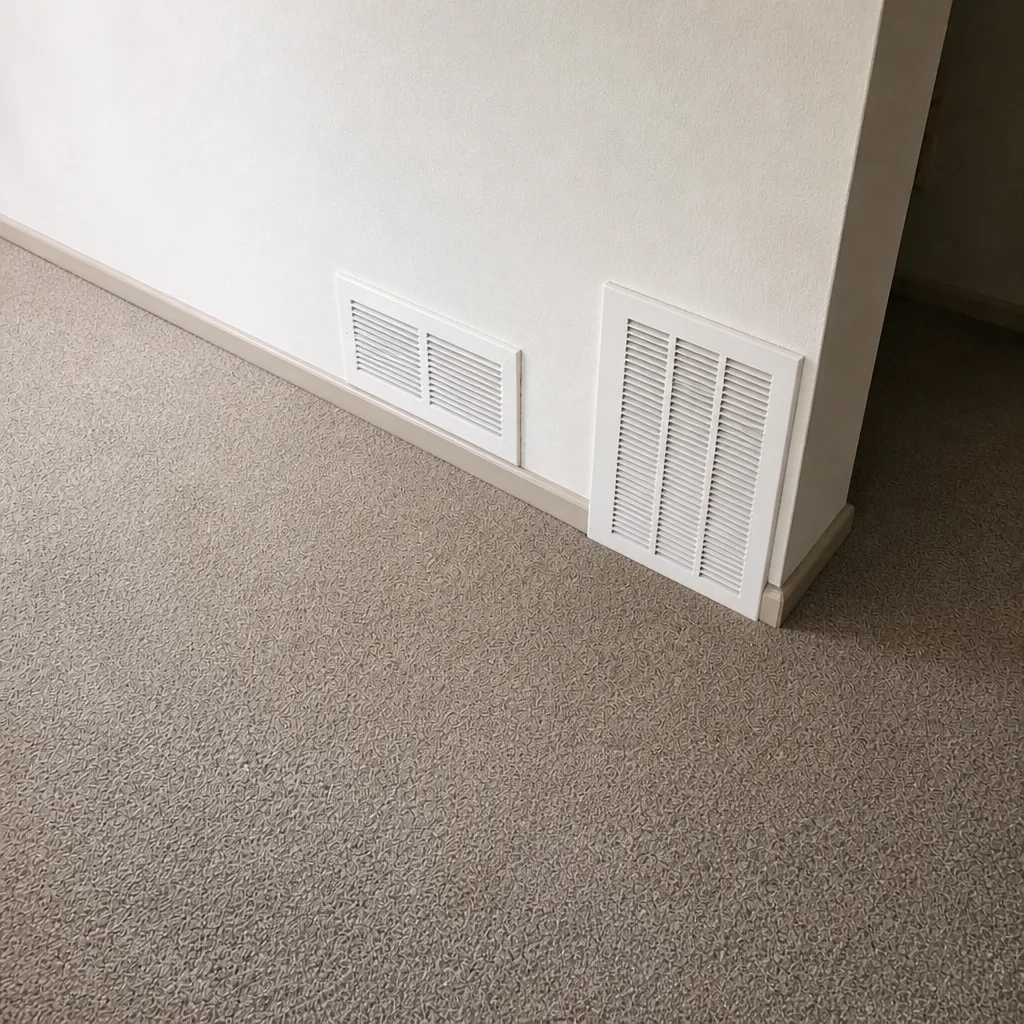
Whole-system duct and dryer vent check with before-and-after photos - you see exactly what came out of your vents
That "$99 whole-house special" is a bait ad - the real number appears once they are in your hallway, or the "clean" is a shop-vac at the register. We photograph the inside of your ducts before and after instead.
Seasonal Air Duct Cleaning Care for Arvada: Year-Round Homeowner’s Guide
Arvada averages over 300 days of sunshine, but it also sits in a wildfire smoke corridor and on the edge of Colorado’s high-wind plains. What that means for your duct system is a contamination profile that shifts dramatically by season, and a one-size-fits-all cleaning schedule that misses it entirely. Most homeowners book a cleaning when the dust gets noticeable, which is usually months after the load arrived. This guide walks through what each Arvada season pushes into your ducts, what to check after each one, and how to build a 12-month observation and service calendar around the way this city’s air actually behaves.
Quick Answer
Air ducts in Arvada load differently in each season: wildfire smoke in late summer, heated debris burn-off at fall furnace startup, humidity and pressure problems in winter, and construction dust in spring. Rather than one annual cleaning on a national schedule, the right approach is to inspect and clean around these four events, check your filter after each Red Flag Warning period, and clean before the first furnace ignition in fall. A 12-month calendar tied to Arvada’s climate catches contamination before it recirculates through the house.
Styles & brands we work with
- Whole-home duct cleaning
- Dryer vent cleaning
- Camera inspection
- Sanitizing & deodorizing
Table of Contents
- Why Arvada Has Four Distinct Duct Loading Events
- Summer and Wildfire Season: What Fine Smoke Particulate Does Inside Your Ducts
- Fall Heating Startup: The Highest-Risk Window for Your System
- Winter: Negative Pressure, Duct Leakage and Carbon Monoxide Awareness
- Spring: Construction Season and Front Range Landscaping Dust
- Building Your Arvada 12-Month Duct Care Calendar
- What to Check Yourself After Each Seasonal Event
- How to Know When Cleaning Is Actually Due
Why Arvada Has Four Distinct Duct Loading Events
Most national duct cleaning advice assumes a mild, steady climate where ducts accumulate at roughly the same rate all year. Arvada doesn’t work that way. The city sits at the foot of the Front Range, where summer smoke from regional fires drifts in and settles, fall brings the first heating cycles after months of inactivity, winter seals the house tight against cold air, and spring kicks off a construction and landscaping season that generates fine dust across older neighborhoods and new build corridors alike.
Each of these events loads the system with a different kind of contamination. Smoke particulate is fine and adhesive. Construction dust is heavier and more abrasive. Winter humidity and pressure changes affect how much of either recirculates. A homeowner who understands the four events can time service, filter changes and inspections to actually protect indoor air quality, instead of reacting after the ducts have been carrying the load for months.
In our experience working Arvada homes, the systems that stay cleanest are the ones serviced on a seasonal rhythm rather than a flat calendar reminder. The rest of this guide breaks down each season and what to watch for.
The Four Loading Events at a Glance
- Late summer: Wildfire smoke infiltration, fine particulate deposition on duct liner surfaces.
- Early fall: First furnace cycles burn off accumulated debris, pushing it into the airstream.
- Winter: Tightly sealed house creates negative pressure; duct leakage becomes an air quality and safety concern.
- Spring: Construction and landscaping dust enters through return air and open windows.
Summer and Wildfire Season: What Fine Smoke Particulate Does Inside Your Ducts
Fine wildfire smoke particulate bypasses standard MERV-8 filters more easily than most homeowners realize. MERV-8 media is designed to catch larger dust and pollen, not the sub-micron particles that make up the bulk of smoke. Those particles slip through the filter, travel through the supply plenum, and settle on duct liner surfaces, where they can stay for months and recirculate every time the system runs.
Arvada sits in a wildfire smoke corridor, which means Red Flag Warning periods in late summer and early fall routinely push outside air quality into unhealthy ranges. When the house is running with windows closed and the HVAC circulating, that smoke finds its way into the return air and deposits on interior duct surfaces, particularly on the rough fiberglass liner of flex duct, where fine particles cling.
What to Check After a Red Flag Warning Period
- Inspect the return air filter. If it’s visibly gray or dark within a few weeks, smoke particulate is loading faster than the filter can handle.
- Smell the supply registers. A faint smoky or ashy odor when the system starts indicates liner deposition.
- Look at the return grille. Visible dust buildup on the grille face after a smoke event means the particulate is reaching the ductwork.
- Note any change in filter life. Filters that clog faster than usual during smoke season point to a system that needs a full inspection.
If you see any of these signs after a heavy smoke period, a professional inspection with proper containment equipment is worth scheduling. Our air duct cleaning service uses Abatement Technologies filtration equipment on-site so that loosened particulate is captured, not pushed back into the living space.
Fall Heating Startup: The Highest-Risk Window for Your System
The first furnace cycles of the season are the highest-risk period for burning off accumulated debris and pushing it into the airstream. Over the summer, dust, smoke particulate and general household debris settle inside the ductwork while the system sits idle or runs only in cooling mode. When the furnace ignites for the first time in fall, air temperatures rise and the airstream velocity changes, lifting that settled material and carrying it through the supply side into every room.
That’s why the burn-off smell so many Arvada homeowners notice in early fall isn’t only from the heat exchanger. It’s also the accumulated dust cooking off duct surfaces. If your ducts haven’t been cleaned since the previous heating season, or if you saw smoke infiltration over the summer, schedule cleaning before the first ignition rather than after.
Fall Startup Checklist
- Clean before ignition. Book cleaning in late summer or early fall, ahead of the first heating cycle.
- Replace the filter at the same time. A fresh filter catches what the cleaning stirs up.
- Inspect the heat exchanger and flue during the same visit. Dust accumulation plus combustion is worth a professional look.
- Check for musty odors. Odor at first ignition can signal microbial growth in duct liner from summer humidity.
- Run the fan for a few minutes with windows open after cleaning, before the first heating cycle, to clear any residual loosened dust.
Winter: Negative Pressure, Duct Leakage and Carbon Monoxide Awareness
Winter in Arvada means homes are sealed tight against cold air, which changes the pressure balance inside the house. When the furnace runs and exhaust fans in the kitchen and bathrooms pull air out, the house draws replacement air from wherever it can. If return ducts leak, that replacement air can come from a crawlspace, attic, or attached garage, pulling in dust, insulation fibers and, in the worst case, combustion byproducts.
This is a safety issue as much as an air quality one. Duct leakage near a gas appliance or in a home with a natural-draft water heater or furnace can interact with the appliance’s exhaust, and negative pressure increases the risk. Older Arvada homes with original ductwork are worth inspecting, particularly where ducts pass through unconditioned space.
Carbon monoxide is colorless and odorless, so the practical step is to make sure working CO alarms are on every level of the home, and to have duct leakage inspected if you notice moisture, dust streaks at duct seams, or rooms that never seem to warm evenly. Duct sealing and repair are repair work, not cleaning work, and that’s why we treat duct cleaning Arvada as a diagnostic service first: we see what’s inside the system and fix what’s actually broken before the next heating season.
Winter Warning Signs
- Dust streaks at duct joints or register boots
- Rooms that stay cold even when the furnace runs
- Musty or exhaust-like odors when the furnace starts
- CO alarm activation (evacuate and call the gas utility, not a duct company)
- Persistent condensation on windows or cold duct surfaces
Spring: Construction Season and Front Range Landscaping Dust
Spring is the highest-volume period for duct contamination in active Arvada neighborhoods. Construction season opens across the Front Range, landscaping crews mobilize, and homeowners open windows for the first warm days, all of which push fine dust into the return air. New builds, additions, roof replacements and xeriscape conversions all generate particulate that finds its way into ductwork through open windows, doors and any return air intake near living space.
Spring dust is heavier than smoke particulate and more abrasive. It loads filters fast, coats blower wheels, and settles on the horizontal runs of ductwork where airflow is slower. Homes near active construction or major landscaping projects tend to see filter life drop noticeably during spring, which is the clearest signal that duct cleaning is due.
Spring is also the right time to plan summer readiness. Cleaning in late spring, before wildfire season arrives, means the system is starting from a clean baseline when smoke particulate begins to load, making the summer filter changes more effective. If you haven’t looked at the ducts since last fall, spring is the natural checkpoint.
Spring Cleanup Priorities
- Inspect filters every two to three weeks during construction season
- Have ducts cleaned after major remodeling or landscaping work
- Check the blower wheel for dust buildup
- Confirm return air intakes aren’t drawing from garages or crawlspaces
- Plan the next cleaning around late spring, ahead of summer smoke season
Building Your Arvada 12-Month Duct Care Calendar
A calendar tied to Arvada’s climate is more useful than the generic “clean every three to five years” advice that circulates online. Here’s the observation and service rhythm we recommend to homeowners who want to stay ahead of contamination rather than react to it.
- Late Winter (February): Check CO alarms, inspect visible ductwork for leakage, note any rooms that aren’t heating evenly.
- Early Spring (March-April): Replace the filter, watch filter life during construction season, plan a cleaning if remodeling is scheduled.
- Late Spring (May): Schedule duct cleaning before wildfire season if the previous fall or winter showed signs of loading.
- Summer (June-August): Change filters after any Red Flag Warning period, check for smoky odors at registers, inspect return grilles monthly.
- Late Summer (August-September): Book pre-fall cleaning if smoke season was heavy or if any smoky smell persists.
- Early Fall (September-October): Replace the filter before the first furnace ignition, have ducts cleaned if not done since spring, check for musty odors at first heat.
- Late Fall (November): Inspect duct seams for condensation or dust streaks, confirm return air is drawn from conditioned space.
- Winter (December-January): Watch for pressure-related warning signs (cold rooms, dust at seams), keep CO alarms tested.
Every home’s load is different, so treat the calendar as a starting point and adjust based on what you actually see. Homes near active construction or in the path of summer smoke load faster than homes on quieter blocks.
What to Check Yourself After Each Seasonal Event
You don’t need specialized gear to spot the early warning signs of a loaded system. A flashlight and a clean white cloth at a supply register will tell you a lot. Here’s what to look for after each of Arvada’s four loading events.
After Wildfire Smoke Season
- Sniff the supply registers when the fan starts, not after the system has run a while
- Look for gray deposits on the return grille face
- Note filter life compared to the same month last year
After First Furnace Ignition
- Note any lasting musty or burning smell beyond the first few cycles
- Check filter color after two weeks of heating
- Look for dust puffs at supply registers
During Winter
- Look for condensation on cold duct surfaces
- Confirm CO alarms are working
- Note any rooms not warming evenly
After Spring Construction
- Inspect filters every two to three weeks
- Look at the blower wheel through the access panel
- Check register grilles for visible dust buildup
How to Know When Cleaning Is Actually Due
Cleaning is due when the system signals it, not when a calendar says so. The honest indicators are visible loading on duct surfaces, musty or smoky odors that persist, filter life that drops noticeably, visible dust at registers, and a recent construction or smoke event. If you’re getting any of those, a professional inspection will tell you whether a full cleaning or a repair is the right next step.
Homeowners often ask what equipment actually matters. A shop vacuum can’t move the volume of air needed to lift lodged particulate from duct liner. Professional systems like Rotobrush and Nikro are purpose-built for the work, and Abatement Technologies air filtration equipment contains the loosened dust so it exits the home instead of recirculating. That equipment combination is what separates a real cleaning from a surface wipe-down.
Another piece of the conversation is filtration upgrades. If your ducts are clean but your filter is still catching less than your household needs, we work with Honeywell and Aprilaire product lines to recommend whole-home filtration upgrades that extend the value of a clean system. Better air starts with what you can’t see, and the right filter for an Arvada home depends on the contamination profile the four seasons actually deliver.
Common Mistakes to Avoid
- Cleaning on a national schedule instead of an Arvada one. A flat “every three to five years” calendar misses the four loading events this climate creates, leaving the system loaded through the highest-risk windows.
- Waiting until the dust is obvious. By the time dust is visible at registers, the system has been recirculating it for months. Check after each season’s loading event, not after it’s obvious.
- Cleaning after the first fall ignition instead of before. Once the furnace has burned off the summer’s accumulation, the debris is already in the airstream. Cleaning before ignition keeps it out of the living space.
- Ignoring duct leakage in winter. Negative pressure in a tightly sealed Arvada house can pull air from crawlspaces, garages and attics if ducts leak. Sealing is part of the fix.
- Skipping filter changes during smoke season. A MERV-8 filter loads fast during wildfire events. Filters that catch smoke should be changed more often during smoke months.
- Treating duct repair as a separate job from cleaning. Damaged or disconnected ducts let contamination back in as fast as cleaning removes it. Repair and cleaning belong on the same visit.
- Hiring cleaning-only contractors without containment equipment. A cleaning that loosens debris without containing it just moves the contamination into the living space.
See the difference
 Before
 After
 Before
 After
 Before
 After
When to Call a Professional
Call a professional if you’re seeing any of the following: persistent smoky or musty odors at supply registers, visible dust streaks at duct seams, a filter that clogs in less than a month, a recent heavy smoke event or construction project, cold rooms that the furnace can’t seem to warm, condensation on visible duct surfaces, or a CO alarm that has triggered (in that case, evacuate and call your gas utility first). Duct leakage near combustion appliances is a safety issue, not just an efficiency issue, and worth a professional look even if you don’t see dust. Duct Cleaning Arvada offers free estimates in Arvada. Call (833) 370-4086. We answer 24/7. Fast dispatch from 7am to 7pm, Sunday through Friday.
Frequently Asked Questions
Most Arvada homes need cleaning roughly every two to three years, but the four-season climate here can shorten that to annually for homes in active construction areas or near the summer smoke corridor. Watch the seasonal indicators (odors, filter life, visible dust) rather than relying on a flat calendar interval.
Fall is an ideal time because cleaning before the first furnace ignition keeps accumulated summer debris out of the airstream when the system first starts heating. If you clean after the ignition, the debris has already been distributed through the supply side.
Yes. Fine smoke particulate is small enough to bypass MERV-8 filters and settle on duct liner surfaces, especially on the rough interior of flex duct. After any Red Flag Warning period, check the return filter and sniff the supply registers when the fan starts.
Diagnose first, then clean and repair on the same visit if both are needed. Cleaning a system with a disconnected or leaking duct just lets contamination back in. Our technicians are equipped to fix structural duct problems, so repair is part of the scope, not a separate referral.
Look for purpose-built duct cleaning systems (Rotobrush and Nikro are two industry names), air filtration and containment equipment on-site (Abatement Technologies is one), and technicians who can diagnose and repair duct problems, not just clean. Ask what equipment will be used before you book.
In tightly sealed Arvada homes, yes. Negative pressure from exhaust fans and the furnace can pull air from crawlspaces, attics or garages through duct leakage, especially near natural-draft gas appliances. If you notice dust streaks at seams or the house feels unevenly heated, duct leakage is worth a professional inspection.
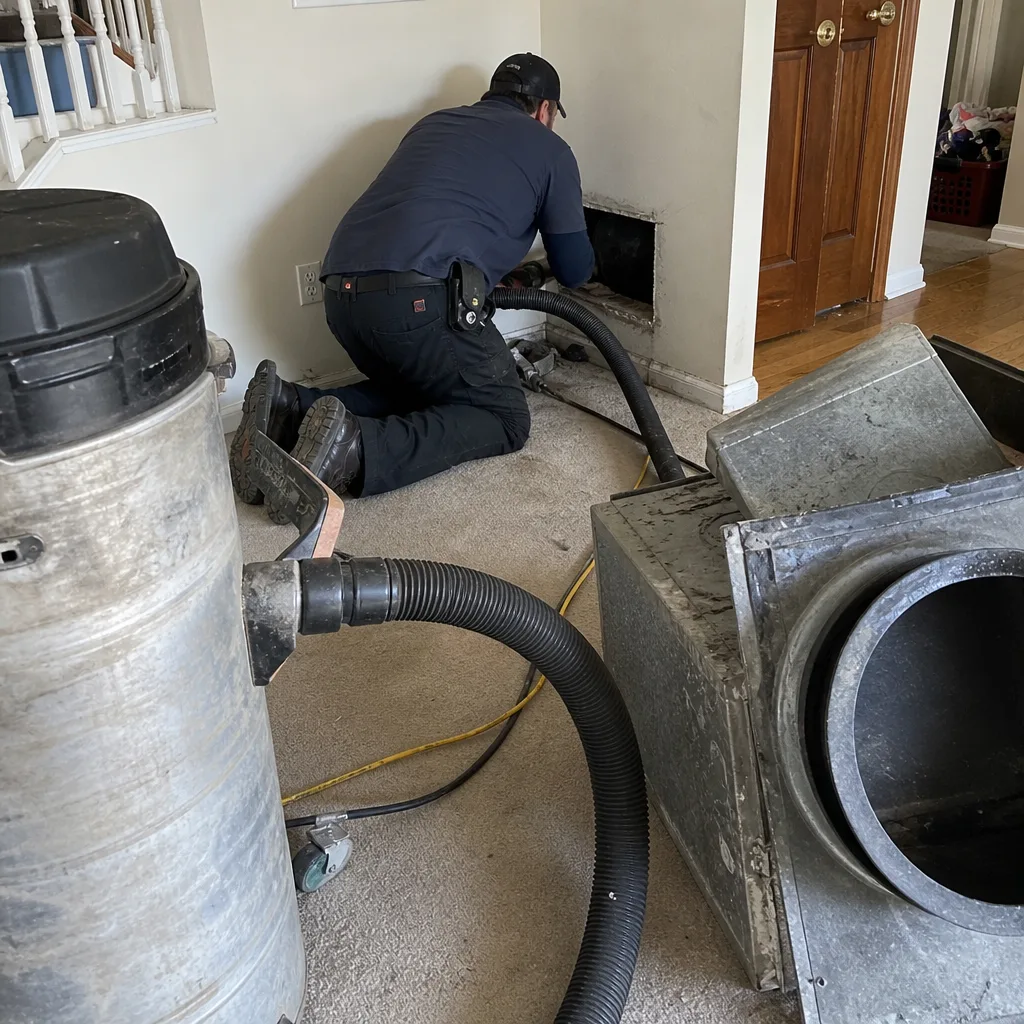
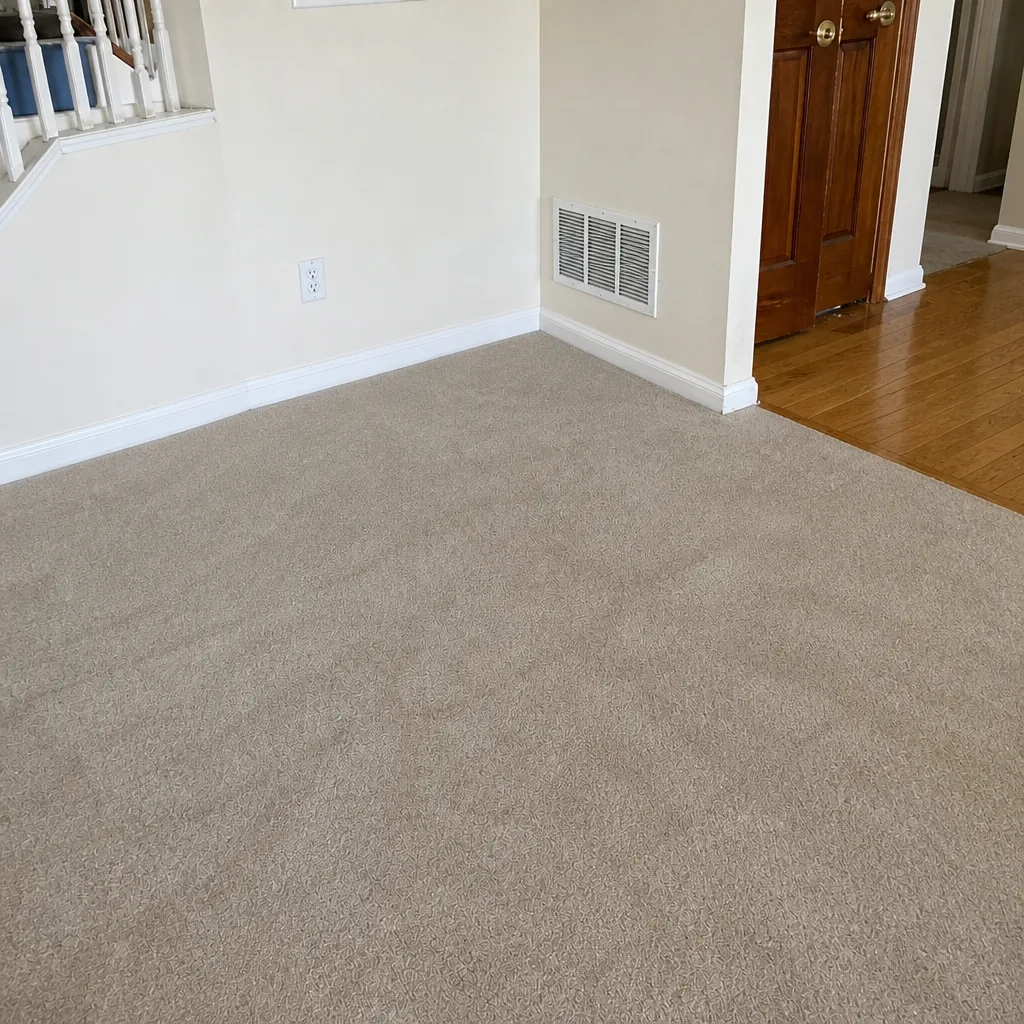
Ask for before-and-after photos of the inside of your ducts, and ask what containment equipment will be used. A cleaning that can’t be shown and didn’t capture the loosened debris is a surface job, not a real cleaning.
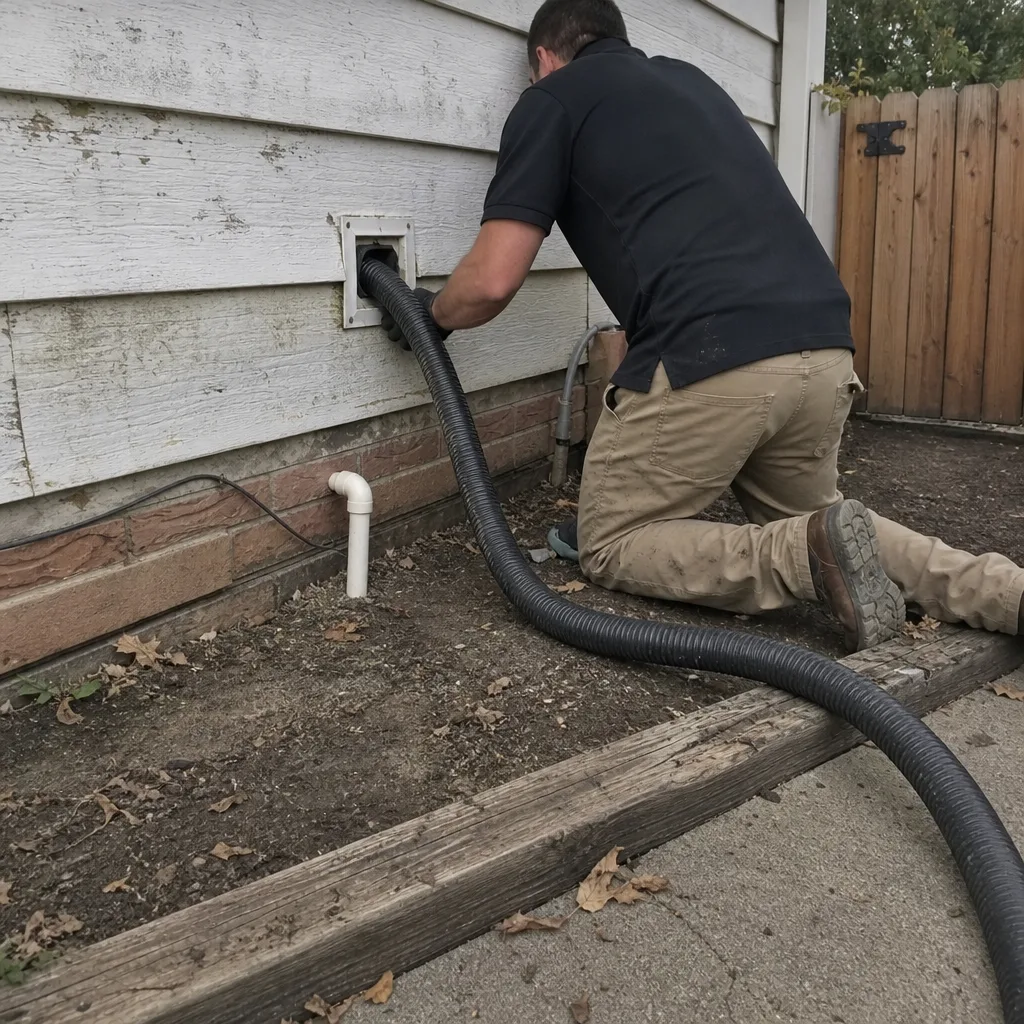
Dryer vents load at their own pace based on laundry volume, not season, but fall and spring are convenient checkpoints to inspect lint buildup. Because clogged dryer vents are a documented fire risk, this is worth dryer vent cleaning as a separate service rather than an add-on.
The Bottom Line
Arvada’s four-season climate loads your duct system in four distinct waves, and the homeowner who matches service to those waves protects air quality better than one who cleans on a national schedule. Check filters after every smoke event. Clean before the fall ignition. Watch for winter pressure symptoms. Plan the next cleaning in late spring. When you’re ready to look at what’s actually inside, we use restoration-grade equipment (Rotobrush, Nikro, Abatement Technologies), diagnose and repair structural duct problems on the same visit, and stand behind Guardsman-backed surface protection so your home comes through service the way it went in. Call (833) 370-4086 for a free estimate. We answer 24/7. Fast dispatch from 7am to 7pm, Sunday through Friday.
Written by the team at Duct Cleaning Arvada.