
Last updated November 14, 2026
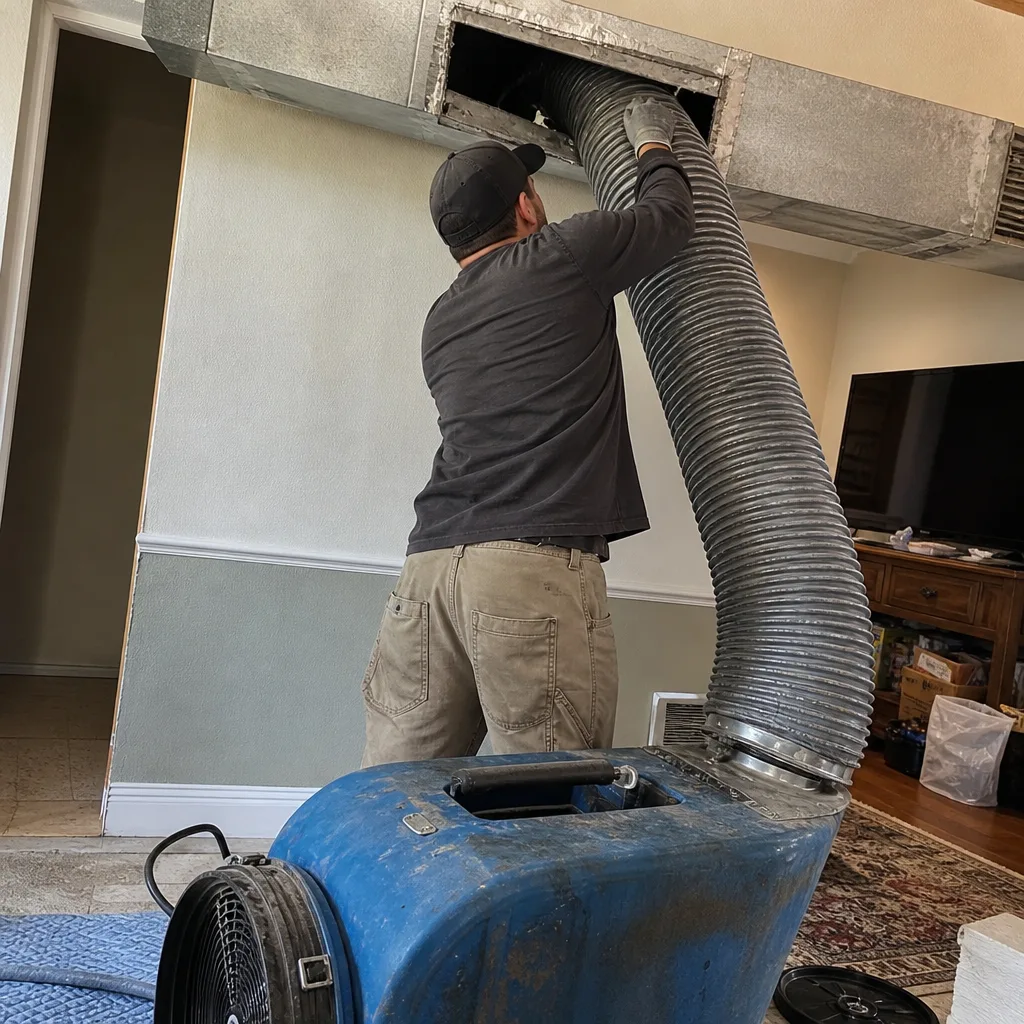
 Whole-home duct cleaning
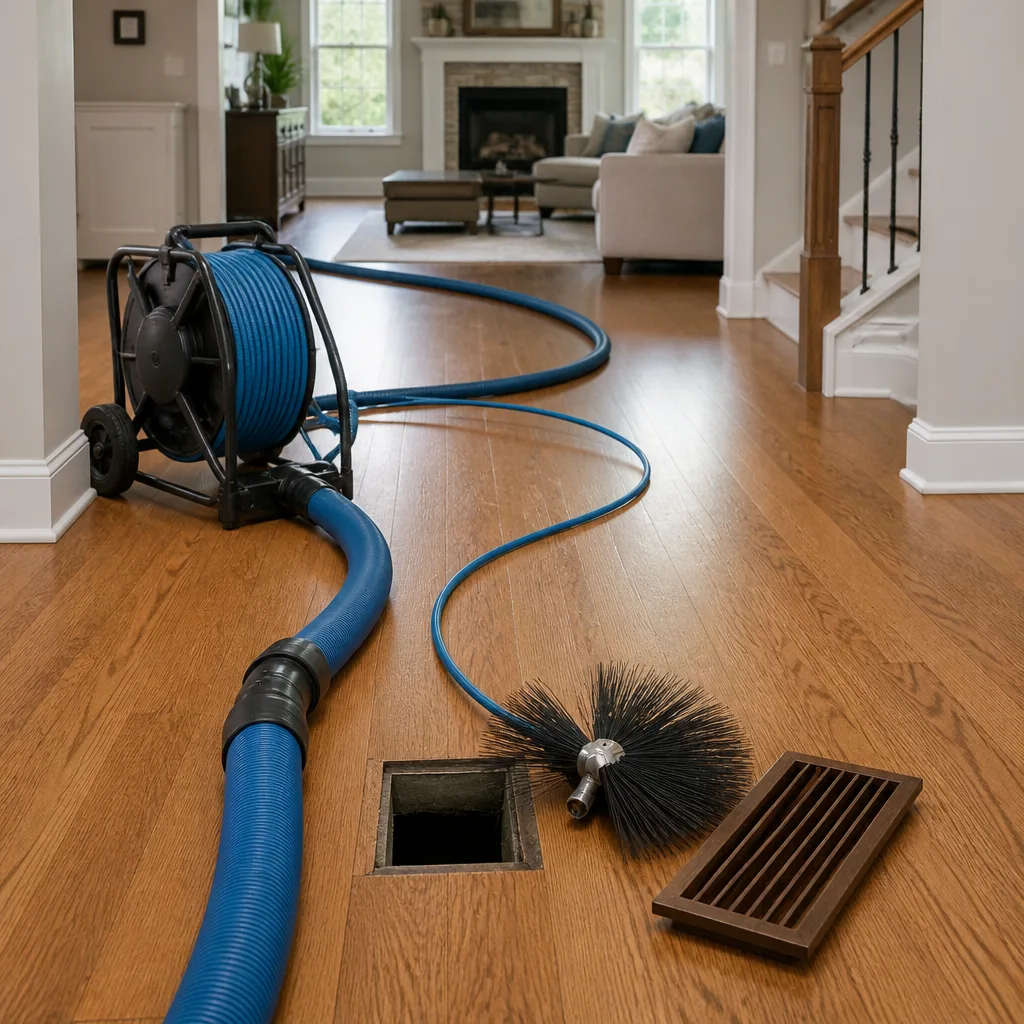
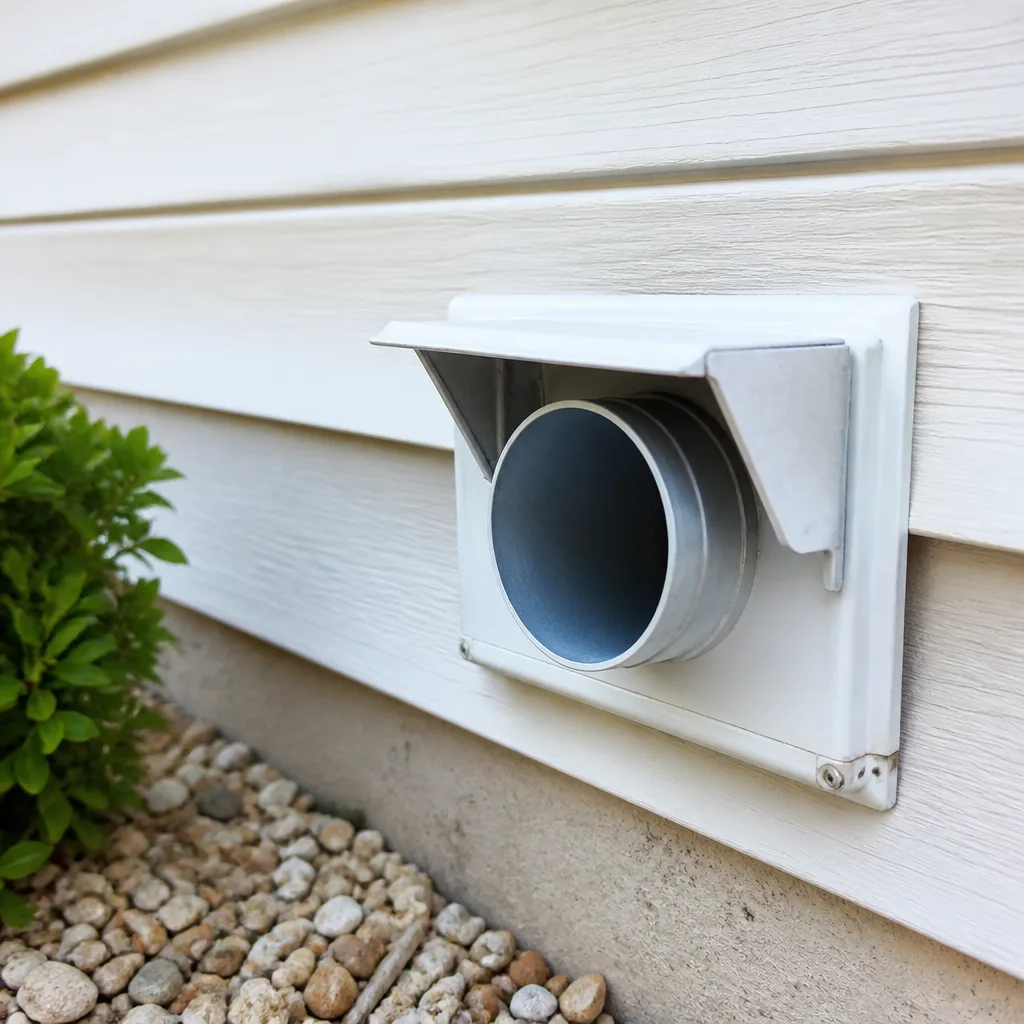 Dryer vent cleaning
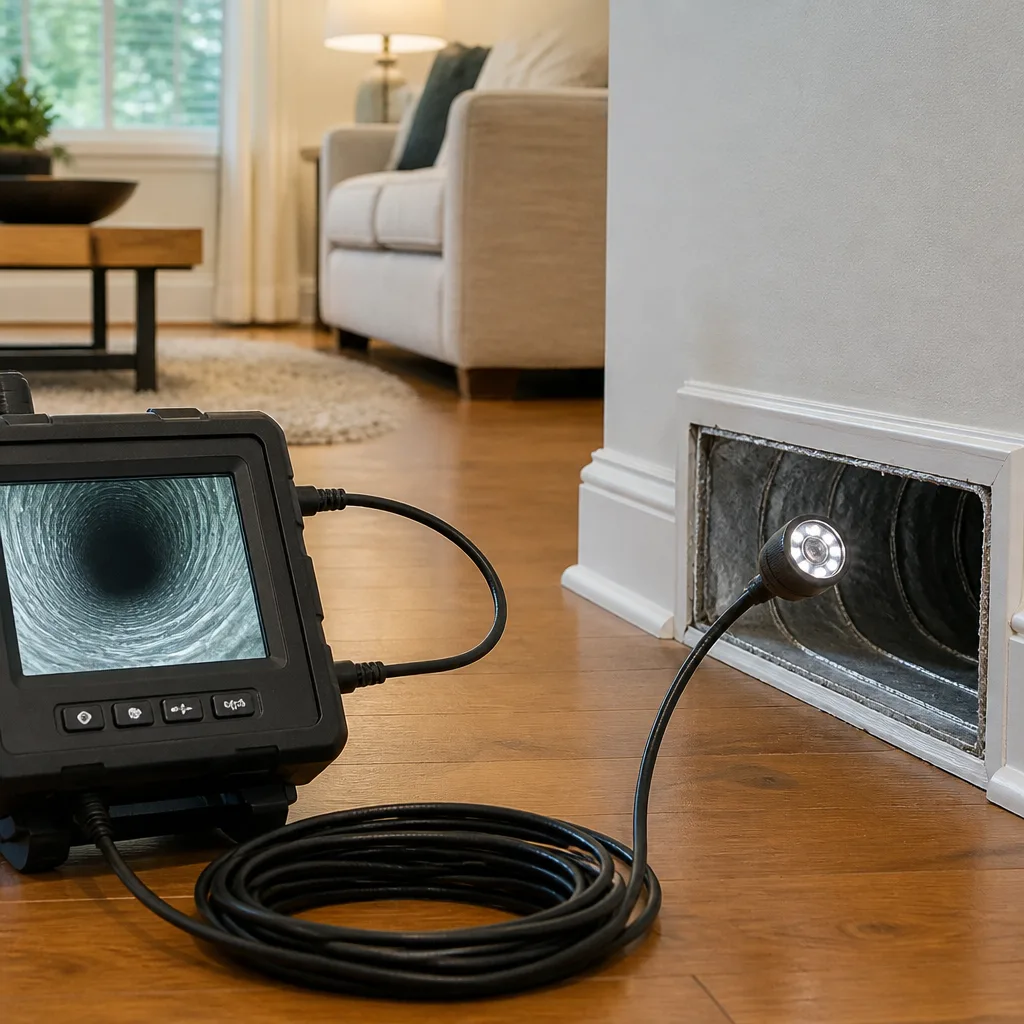 Camera inspection
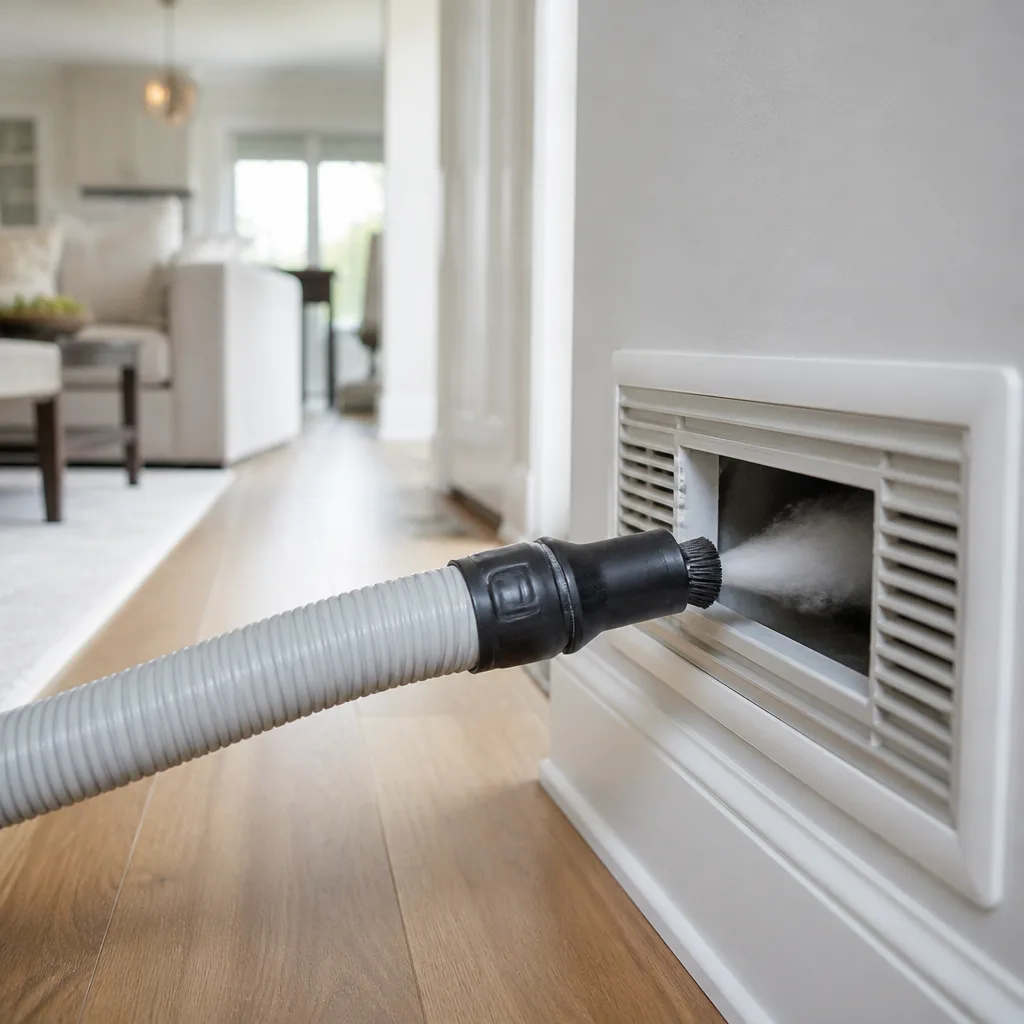 Sanitizing & deodorizing
Whole-system duct and dryer vent check with before-and-after photos - you see exactly what came out of your vents
That "$99 whole-house special" is a bait ad - the real number appears once they are in your hallway, or the "clean" is a shop-vac at the register. We photograph the inside of your ducts before and after instead.
Choosing the Right Air Duct Cleaning Brand: A Buyer’s Guide for Arvada
There’s no national franchise in the duct cleaning industry that guarantees equipment quality. A van with a familiar logo on the side can carry a $400 portable machine just as easily as the rig beside it carries a $15,000 truck-mount. What you’re actually hiring is a technician’s toolset and repair skills, not a logo. In this guide, we’ll walk through the equipment hierarchy that separates one company from another, the review language that reveals real technical work, the camera-documentation standard that should be baseline in Arvada, and the credentials that tell you whether a team can fix what they find inside your system.
Quick Answer
The right air duct cleaning brand in Arvada is the one whose equipment class and repair capability match what your specific system actually needs – not the one with the biggest advertising budget. Look for professional-grade duct equipment (Rotobrush or Nikro class), documented before-and-after video, and a company that performs duct repair as a core service rather than referring it out. Brand recognition is a poor proxy for capability; a written scope of work tied to your equipment is a much better one.
Styles & brands we work with
- Whole-home duct cleaning
- Dryer vent cleaning
- Camera inspection
- Sanitizing & deodorizing
Table of Contents
- The Equipment Hierarchy: What Each Class of Machine Can Actually Reach
- Why Local Independents Often Outperform Franchises on Repair
- Seven Questions That Reveal Whether a Company Fixes or Just Cleans
- How to Read Reviews for Duct Cleaning (and What Most Reviews Miss)
- The Camera Scope Standard: Why Documentation Is the Baseline
- What “NADCA-Certified” Actually Certifies – and What It Doesn’t
- Credentials That Show a Team Can Handle What They Find
- Selecting a Company in the Arvada Market Specifically
The Equipment Hierarchy: What Each Class of Machine Can Actually Reach
Air duct cleaning equipment breaks into roughly three classes, and each one has a different ceiling on what it can do. Understanding the hierarchy is the single fastest way to grade a company’s capability before you ever call them.
Class 1: Portable Shop Vacuums and Consumer Rigs
These are the machines sold at big-box hardware stores or repurposed from construction cleanup. They generate modest suction, hold a small volume of material, and offer no real containment. A technician running one of these can pull loose debris from the first few feet of a trunk line, but on a standard residential system with multiple branches and turns, the reach falls off fast. If a company’s quote seems unusually low, this class of equipment is often why.
Class 2: Portable Negative Air Machines
Negative air machines create a pressure differential that pulls air (and the contaminants in it) toward the machine while keeping the work area under negative pressure. These are legitimate professional tools, and many duct cleaning companies use them well. What they don’t do on their own is agitate and dislodge material that’s bonded to duct walls – which is why the best operators pair a negative air machine with a rotary brush or whip system rather than relying on suction alone. On the Arvada market, you’ll find a mix of operations running only negative air and others pairing it with agitation tools. Ask which one the company does.
Class 3: Restoration-Grade Rigs
Restoration-grade equipment combines high-volume extraction with tools purpose-built for duct interiors – rotary brush systems like Rotobrush and Nikro class machines, plus containment equipment from manufacturers like Abatement Technologies. The purpose of this tier is not just loosening debris, but capturing it in a controlled way so it doesn’t redistribute into living space. This is where the phrase “restoration-grade equipment” earns its meaning: the job is treated like a contamination event, not a quick vacuum pass.
- Reach: Class 3 rigs reach deeper into branch lines and handle longer runs before losing pressure.
- Agitation: Rotary brush systems dislodge bonded material that pure suction misses.
- Containment: Abatement Technologies filtration keeps the workspace clean while the system is opened.
- Documentation: Restoration-grade operators typically carry camera scopes as standard equipment.
When you’re comparing quotes in Arvada, ask which class of machine will be on site. It’s the first question that sorts companies into capability tiers.
Why Local Independents Often Outperform Franchises on Repair
A national franchise model is built around consistency of a cleaning service. The local independent is built around whatever the owner-technician decided was worth investing in. In practice, that often means the independent has more repair capability, because repair work is what keeps the phone ringing in a market like Arvada where HVAC systems take seasonal punishment from dry air, temperature swings, and heavy heating load in winter.
Here’s the structural reason. Franchise operations tend to optimize for volume: get in, run the cleaning, get out, upsell a filter or a sanitizing mist. When they find a disconnected joint, a crushed flex run, or a torn takeoff inside the system, the job gets flagged and handed off – sometimes to a general HVAC contractor, sometimes to the homeowner with a recommendation. The cleaning crew may never touch the repair. A local independent that performs air duct cleaning and duct repair under the same roof can diagnose and fix the problem on the same visit, without a second appointment or a second company.
What This Means for Your Selection Process
The question to ask any company you’re considering is straightforward: “If you find a disconnected duct or a crushed run during the cleaning, what happens?” The answer tells you almost everything.
- Clean-and-leave: “We’ll note it in the report and refer you to a duct repair company.” Capability = cleaning only.
- Repair-capable: “We repair it on the same visit, or quote the repair and schedule it.” Capability = full system.
Neither answer is dishonest – some companies legitimately focus on cleaning and refer the rest. But you should know which one you’re hiring before the technician is in your basement. In Arvada, the duct systems in older neighborhood homes often have flex runs that were installed decades ago and are now sagging, disconnected at the takeoff, or crushed where a joist was added. A cleaning-only operator will notice the problem and leave it. A repair-capable operator will fix it. That difference is worth more than any coupon.
Seven Questions That Reveal Whether a Company Fixes or Just Cleans
You don’t need a technical background to sort companies into capability tiers. You need seven questions. Ask them exactly as written and listen for the specifics in the answer.
- “What equipment will you bring?” Look for named professional brands (Rotobrush, Nikro, Abatement Technologies) rather than “a commercial vacuum.” A company that can’t name its equipment either doesn’t own it or doesn’t understand why it matters.
- “Do you offer before-and-after video of my own ducts?” Yes means they’re operating to a documentation standard. No means you’re taking their word for it.
- “Do you repair ducts, or do you only clean them?” This is the single most revealing question on the list. See the section on local independents above.
- “What’s included in the price?” Look for a scope of work – number of vents, number of returns, whether the air handler is cleaned, whether the blower is inspected. Vague answers suggest a vague job.
- “Do you clean dryer vents separately, or is that a separate company?” A company that does both signals system-level thinking. A company that only cleans supply ducts and hands off dryer vents is doing a partial job.
- “What credentials do your technicians hold?” NADCA certification is a starting point, not a finish line. See the credentials section for what else to look for.
- “Will you put the scope in writing before the work starts?” A written estimate that specifies exactly what will be cleaned, repaired, and documented is the standard. Verbal-only quotes are a hard stop.
Ask these in a single phone call. The company that answers all seven specifically is the one that’s actually set up to do the work.
How to Read Reviews for Duct Cleaning (and What Most Reviews Miss)
Most online reviews for duct cleaning say something like “on time, polite, cleaned up after themselves.” All of that is customer service feedback. None of it tells you whether the ducts are actually cleaner, whether the technician found a disconnected run, or whether the job was done to professional standard. The review language that indicates real technical work is different, and it’s worth learning to spot.
Phrases That Indicate Real Technical Work
- “Showed me before-and-after photos on a tablet” – documentation standard met.
- “Found a disconnected duct under the floor and fixed it the same visit” – repair capability in action.
- “Explained what they were seeing inside the ducts with a camera” – diagnostic transparency.
- “Cleaned the return and supply sides and the blower” – full-system scope, not just supply vents.
- “Recommended a filter housing upgrade that actually made a difference” – consultative, not upsell.
Phrases That Don’t Tell You Much
- “Friendly and professional” – necessary, but unrelated to outcome.
- “Fast service” – on a duct cleaning job, speed is often a red flag for skipped steps.
- “Great price” – unless it’s paired with specifics on scope, price alone is meaningless.
- “Didn’t try to upsell me” – signals fair dealing, not technical capability.
What to Look For Beyond the Stars
Read for specifics, not sentiment. A review that mentions the equipment brand, the camera documentation, or a repair the technician performed is worth ten five-star reviews that just say “great job.” Look for mentions of Arvada-specific conditions too – homeowners in this market often mention the dust kicked up by the dry winter air or the musty smell that shows up after a long heating season. A technician who explains those patterns to the homeowner is one who understands the local climate’s effect on duct systems.
The Camera Scope Standard: Why Documentation Is the Baseline
Any air duct company operating below professional baseline is one that doesn’t offer pre- and post-service video documentation of your own system. It’s not a premium feature. It’s the standard, in Arvada and everywhere else.
The reason is simple: ducts are the inside of the house you can’t see. Without a camera scope, the technician can tell you the ducts are clean, but neither of you has proof. With a scope – a small inspection camera on a flexible lead – the technician can document the condition of the system before starting, find the specific problems (buildup, disconnected joints, debris in the returns, blocked branch lines), and then show the same locations after the work is complete. This is “see what’s inside your system” in practice.
What a Professional Documentation Standard Includes
- Pre-service scope: Camera documentation of the trunk and representative branches before any cleaning begins.
- Findings review: A walkthrough with the homeowner of what the camera found – buildup, damage, disconnections.
- Scope of work in writing: A written estimate specifying what will be cleaned and what will be repaired, agreed before work starts.
- Prescribed cleaning: Professional equipment selected to match what the camera actually found, not a one-size-fits-all package.
- Post-service verification: Same-camera documentation of the cleaned system for comparison.
- Photographic and video record: Delivered to the homeowner, not just filed in a report.
Companies that skip the camera are usually either running Class 1 equipment (which can’t reach deep enough to benefit from documentation) or trying to keep overhead low at the customer’s expense. In either case, you’ve learned something useful before you’ve spent a dollar.
What “NADCA-Certified” Actually Certifies – and What It Doesn’t
NADCA is the National Air Duct Cleaners Association, and the “certified” label is real, but it’s narrower than most homeowners assume. NADCA certification typically means the company has passed an exam on the association’s cleaning standards (the ACR standard for assessment, cleaning, and restoration of HVAC systems) and agreed to adhere to a code of ethics. What it does not guarantee is equipment class, repair capability, documentation standard, or licensing in your state.
What NADCA Certification Does Indicate
- The company knows the ACR standard exists and has been tested on it.
- Someone at the company can speak the language of professional duct cleaning.
- There’s a code of ethics in place, which usually correlates with more honest quoting.
What NADCA Certification Does Not Indicate
- What kind of equipment will actually show up at your house.
- Whether the company can repair what it finds inside the system.
- Whether the technician has any state licensing in HVAC or refrigeration.
- Whether the company offers before-and-after video documentation.
The practical takeaway: NADCA certification is a useful filter, not a stamp of quality. It tells you the company is on the professional side of the industry. It doesn’t tell you which side of the equipment hierarchy they’re on, or whether they can handle a repair when the camera finds one. Treat it as one criterion among several, and dig deeper on the ones that matter for your specific system.
Credentials That Show a Team Can Handle What They Find
Duct cleaning by itself is a service that doesn’t require licensing in most states. Duct repair, when it involves the HVAC system, does. That distinction matters in Arvada, where systems are often running equipment past its original design life and where ductwork problems frequently intersect with HVAC problems.
Credentials Worth Checking
- HVAC-R licensing: If the company’s technicians are licensed in HVAC or refrigeration, they can legally handle refrigerant lines, gas connections, and equipment safety issues that come up during a duct job. A cleaning-only operator can’t touch these – which is one reason repair capability so often tracks with HVAC-R licensing.
- EPA Section 608 certification: This covers safe handling of refrigerants and is a useful signal that a technician is trained to work around HVAC equipment without creating a hazard.
- State licensing (Colorado): Ask any company you’re considering whether it holds a current Colorado license for the work it’s quoting. Licensing requirements vary by scope; a company quoting repair work should be able to confirm licensure.
- Licensed and insured status: For any work inside your home, both matter. Ask for the certificate, not just verbal confirmation.
Our technicians have up to 12 years of experience, and we’re happy to walk through any credential question before work starts. Confidence comes from tools and process, not salesmanship.
What About IAQ Product Affiliations?
Companies that work regularly with major indoor air quality manufacturers (Honeywell, Aprilaire, and similar) tend to have more complete diagnostic capability, because those brands don’t get specified on jobs where the technician can’t diagnose filtration problems. If a duct cleaning company can talk intelligently about filtration upgrades as a natural extension of a clean system, that’s a sign of a technician thinking at the system level rather than the vent level.
Selecting a Company in the Arvada Market Specifically
Arvada has some local conditions that affect how a duct cleaning job actually goes. Understanding them helps you ask the right questions.
Climate and Housing Context
Arvada sits in a high-desert climate with dry air, wide temperature swings, and long heating seasons. Duct systems here face conditions that coastal or humid-climate systems don’t: heavy furnace runtime in the winter, low ambient humidity that dries out sealants and flex materials, and dust that gets pulled in through return systems over years of use. Homes in older Arvada neighborhoods – particularly those built during mid-century expansion – often have original flex ductwork that’s been patched, extended, or crushed during basement remodels. Cleaning without inspecting for these problems is a partial job. Repair capability matters more in this market than most.
Neighborhoods and Systems
If you’re in Olde Town Arvada or a nearby historic neighborhood, you’re likely working with an older home whose duct system has been modified more than once. Ask any company you call whether they handle original flex replacement and takeoff reconnection, not just cleaning. If you’re in a newer development west of the city or in an area like Candelas or Whisper Creek, the system is likely more modern but still benefits from a full scope-of-work inspection – even newer duct systems get disconnected at the takeoff or draw in construction debris.
Local Independent Companies vs. National Chains
In Arvada, you have both options. National chains often have more recognizable branding and easier online booking, but they’re not necessarily better-equipped or more repair-capable. Local independents are the ones who can show up with the right equipment class and the ability to repair. The selection framework in this guide works either way: focus on equipment, documentation, repair capability, and credentials, and ignore the logo on the van.
Dryer Vent Cleaning as a System Consideration
Dryer vent lint is a documented leading cause of residential house fires, and it’s the part of the system most often neglected in Arvada homes with full basements and long vent runs. A company that offers both duct and dryer vent cleaning is one that thinks about your whole system rather than one component of it. When you’re comparing quotes on duct work, ask whether dryer vent service is available from the same company. It’s a useful signal of scope.
Common Mistakes to Avoid
- Hiring on price alone. The cheapest quote in Arvada is almost always a Class 1 shop vacuum with a helper. Ask what equipment will actually show up before you agree to any quote. A low price that has to be redone is more expensive than the job done right the first time.
- Assuming a known brand name equals quality. Franchise logos tell you nothing about the machine in the van or the technician’s training. The equipment question is the one that matters.
- Accepting a verbal-only quote. If the company won’t put the scope of work in writing – how many vents, how many returns, whether the blower is included, what’s documented – you don’t have a quote. You have a guess.
- Skipping the camera. A cleaning with no before-and-after documentation leaves you with no way to know the job was actually performed. Ask to see the camera footage of your own ducts before and after.
- Assuming the air handler is included. Not all quotes cover cleaning the air handler or inspecting the blower. In Arvada’s dry climate, blower buildup is a common source of that musty smell homeowners describe. Ask specifically.
- Forgetting the dryer vent. Dryer vent cleaning is a fire-safety issue, not a cosmetic one. If the company you hire only does ducts, you still need the dryer vent addressed by someone.
- Ignoring the return side of the system. Returns are where most of the accumulated dust lives. A quote that only mentions supply vents is a partial quote.
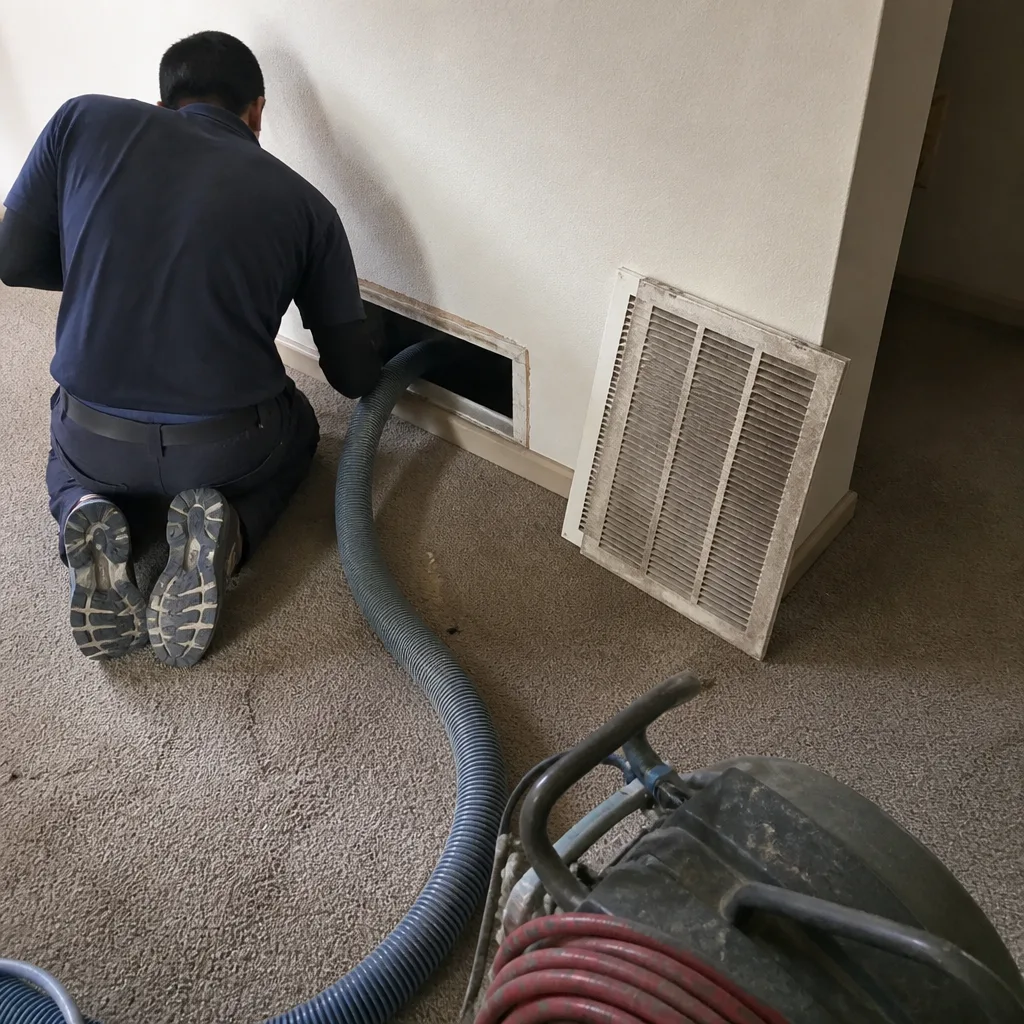
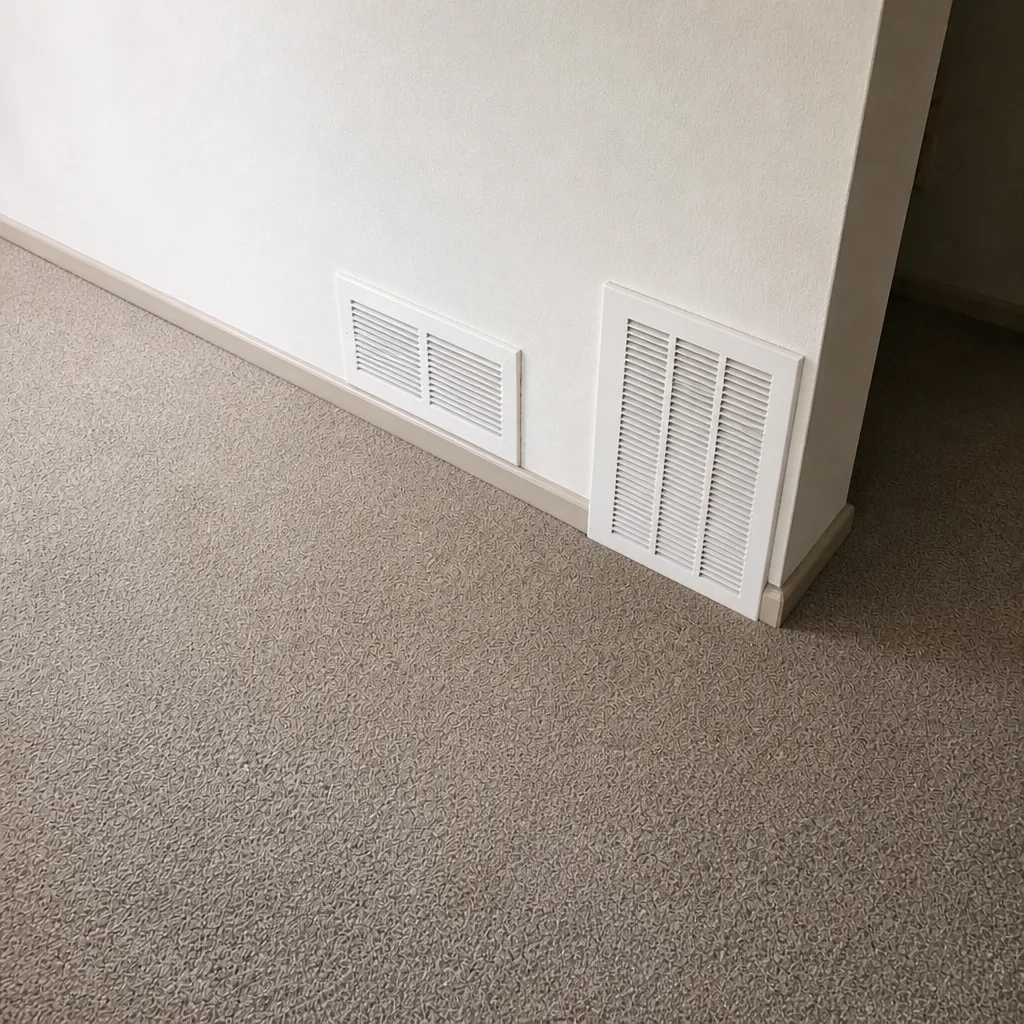
See the difference
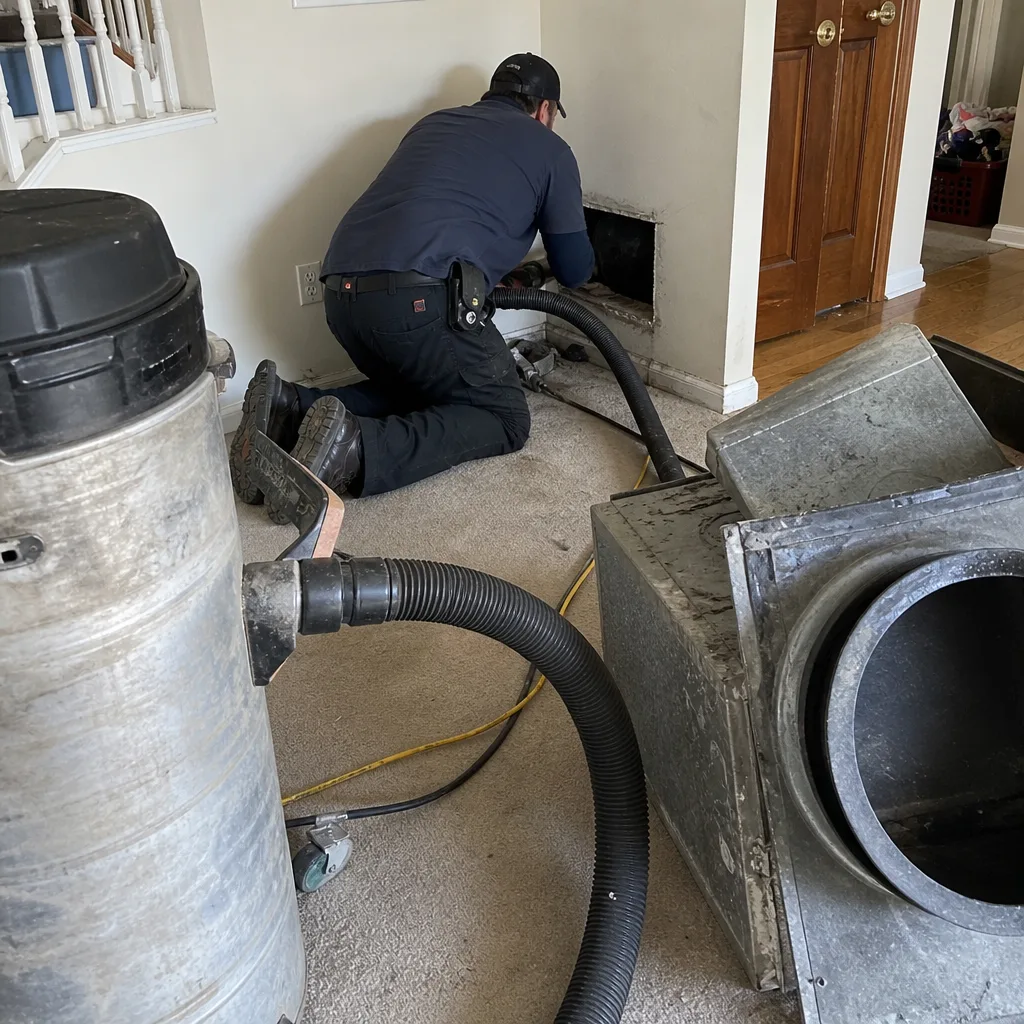 Before
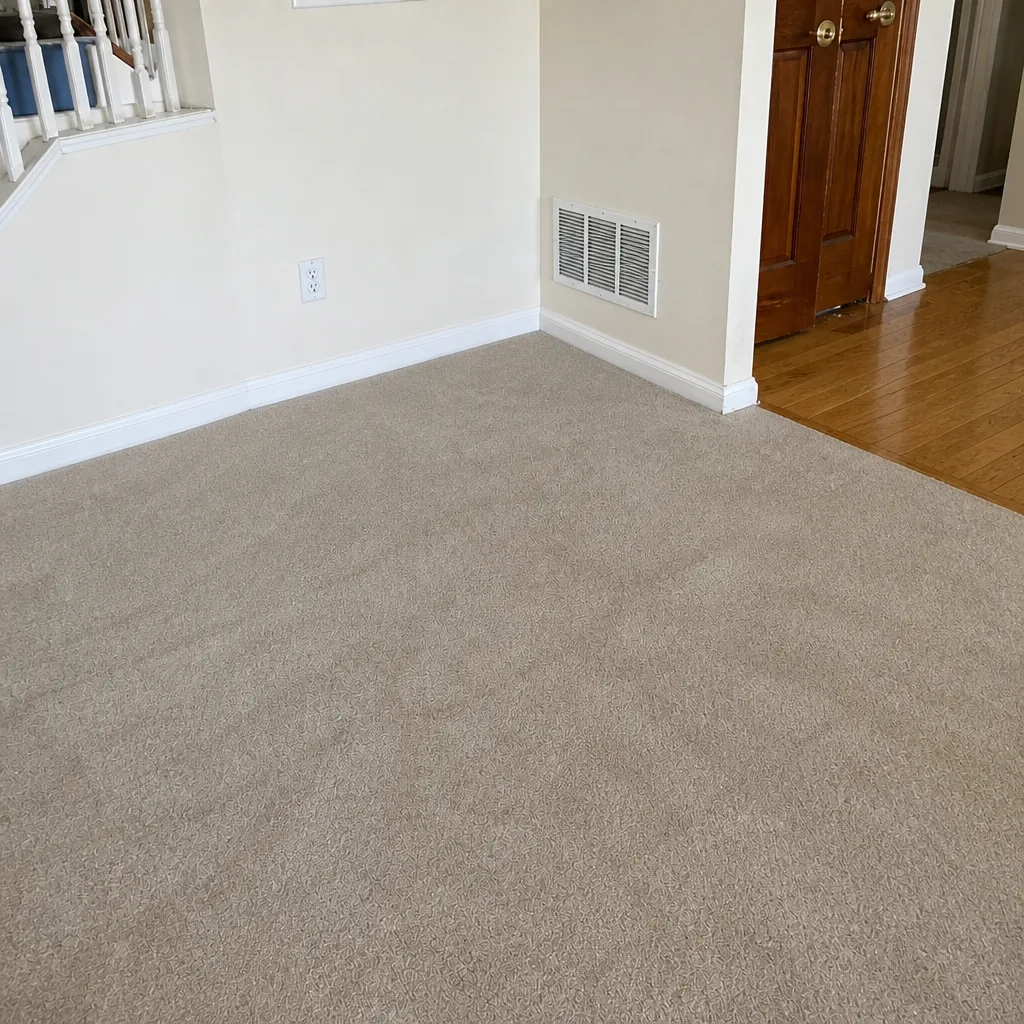 After
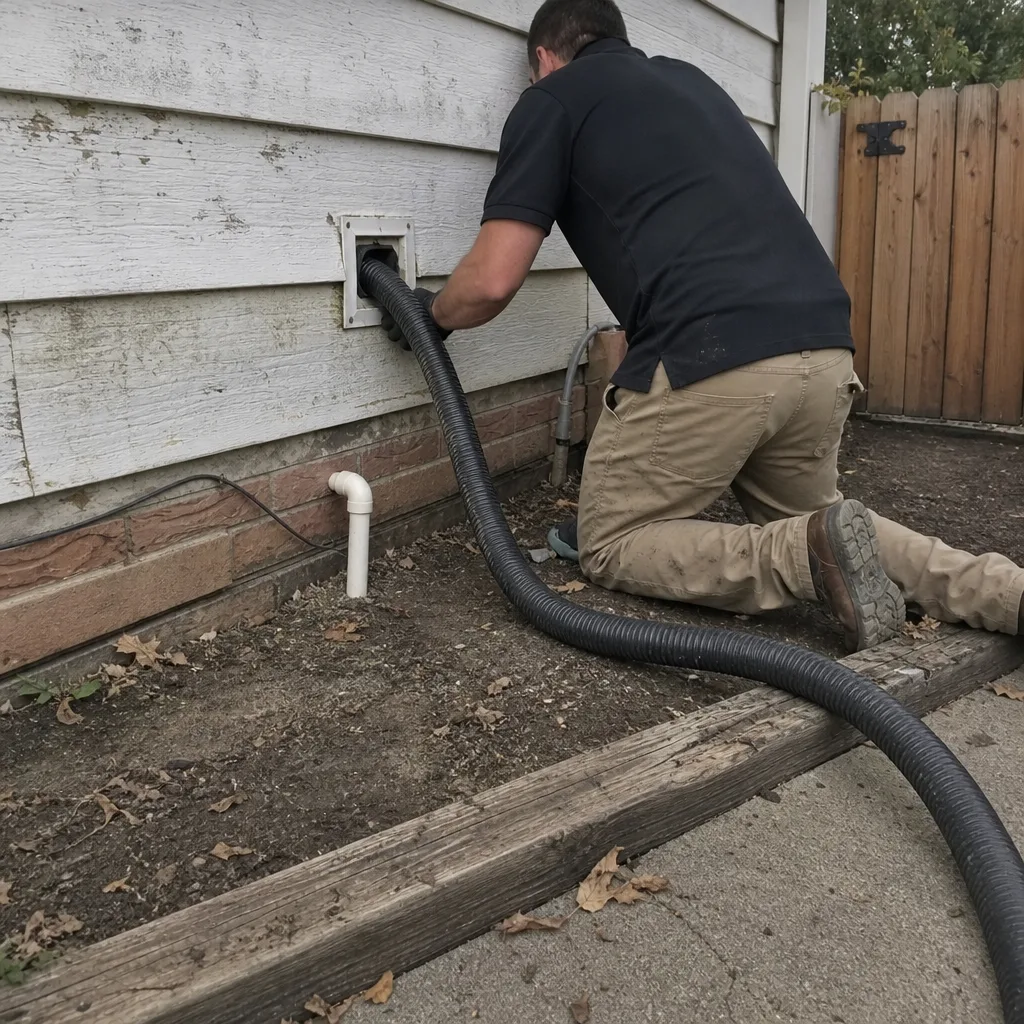 Before
 After
 Before
 After
When to Call a Professional
Some duct problems are cosmetic – a little visible dust at a register – and can wait for a scheduled cleaning. Others aren’t. If you’re seeing dust patterns on the ceiling around registers, a persistent musty smell that doesn’t clear after a filter change, unexplained increases in your energy bills, or allergy symptoms that flare up only when the heat or AC is running, those are signals to schedule a professional inspection. Duct problems that show up as system symptoms deserve a technician with camera equipment and repair capability, not just a cleaning pass. If your dryer is taking longer to dry clothes than it used to, that’s a dryer vent signal worth taking seriously. We offer free estimates in Arvada – call (833) 370-4086 and we’ll help you decide what your system actually needs.
Frequently Asked Questions
The difference is almost always equipment class and scope. A $200 quote typically reflects a portable shop vacuum and a supply-vent-only scope. A higher quote usually reflects professional-grade equipment (Rotobrush, Nikro, or similar), containment equipment like Abatement Technologies, and a full scope covering returns, supply, and the air handler. Ask each company what equipment and what scope the quote includes – then compare. Call (833) 370-4086 for an exact quote on your system; estimates are free.
Ask the company to walk you through the process during the estimate call: will they scope your ducts with a camera before cleaning, show you what they find, and provide the same documentation after? A professional company answers this question specifically. A cleaning-only operator will usually give a vague answer or say documentation isn’t available. Call (833) 370-4086 to schedule a walkthrough.
No. NADCA certification indicates the company has been tested on professional cleaning standards and adheres to a code of ethics, but it doesn’t guarantee equipment class, repair capability, or documentation. Use it as one filter among several. The most important questions are about equipment, scope in writing, and repair capability. Call (833) 370-4086 to talk through your system with a technician.
Most Arvada homes benefit from professional duct cleaning every few years, though the right interval depends on your system age, the presence of pets, recent remodeling, and whether the previous cleaning was actually a full-scope job. A camera inspection tells you more than a calendar does. Call (833) 370-4086 to schedule a scope inspection and get an honest recommendation for your home.
Yes. Dryer vent cleaning is a dedicated service, not an add-on tacked onto a duct invoice, because clogged vents are a documented leading cause of residential house fires and deserve their own equipment and attention. We schedule both together when that works for the homeowner. Call (833) 370-4086 to book both.
We fix it on the same visit. Air duct repair is a core service, not a referral and not an upsell – if a technician finds a disconnected joint, crushed flex run, or damaged takeoff during cleaning, we repair it with the same tools we brought for the cleaning. If the repair is larger than expected, we quote it in writing before starting. Call (833) 370-4086 for a free estimate.
The Bottom Line
Choosing the right air duct cleaning brand in Arvada comes down to four things: what equipment the company brings, whether it documents the work with a camera scope, whether it repairs what it finds, and what credentials its technicians hold. Brand recognition, advertised low prices, and star-rating averages don’t tell you any of that. Ask the seven questions, compare equipment classes, and look for a written scope of work before the technician is inside your house. The company that answers all of it specifically – and puts it in writing – is the one worth hiring. The one that gives vague answers is telling you something useful too.
If you’re in Arvada and ready to schedule a scope inspection, book an air duct cleaning, or talk through whether your system has a problem worth fixing, call us at (833) 370-4086. We answer 24/7. Fast dispatch from 7am to 7pm, Sunday through Friday. Free estimates, written scope of work before work starts, before-and-after video documentation of your own ducts, and a team that cleans it and fixes it. Two professional-grade cleaning systems, containment equipment from Abatement Technologies, and air duct repair as a core service – that’s the standard. Learn more on our Duct Cleaning Arvada page or call for a free estimate today.
Written by the team at Duct Cleaning Arvada.